A systematic crop rotation protects your harvest from pests and maintains the fertility of your soil.
Sellerina6 min readUpdated on September 9, 2026
Thomas and Sellerina · Completed by the community
In short
By rotating planting locations annually, you break the life cycle of pests such as cabbage flies or nematodes. A four-year rotation with legumes, heavy feeders, medium feeders and light feeders ensures that soil quality can regenerate.
Why crop rotation is important
If you plant the same thing in the same spot every year, you invite pests like cabbage flies or nematodes that can persist in the soil for several growing seasons and reduce your crop yields by 50 to 80 percent. Many diseases are specialized to certain plant families: clubroot, for example, only affects mustards, while blight spores overwinter in nightshades. By rotating planting locations annually, you remove host plants for one growing season and thus break the life cycle of these organisms. Your soil also benefits from this rhythm, as heavy feeders like tomatoes, sweet corn, and cabbage consume a lot of nitrogen, whereas carrots and onions need significantly less. Plants also work at different levels: deep-rooting crops such as parsnips and tomatoes open channels in deeper soil layers, while shallow-rooted plants like lettuce stay near the surface. Systematic rotation prevents permanent pest establishment and maintains soil quality, as the soil can regenerate before certain nutrients are continuously extracted.
crop rotation in the Middle Ages
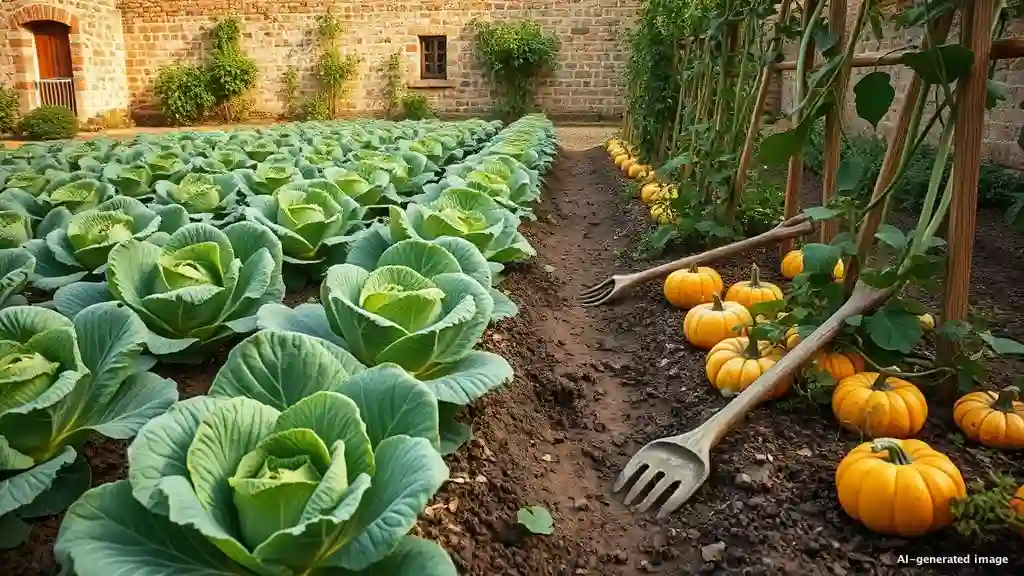
Anyone wanting to grow something in a medieval vegetable garden had to be careful with the space and the strength of the soil. Since the growing area was often limited, gardeners used a four-year rotation cycle, ensuring they did not plant plants from the same plant family in the same spot for three consecutive years. The division followed a specific pattern: first came the heavy feeders, then the medium feeders, and finally the light feeders. Afterwards, the soil recovered through green manure before the heavy feeders were grown again. This system was also necessary due to the lack of sustainable fertilizer methods at the time. Legumes such as beans and peas played an important role, as they enriched the soil with nitrogen through a symbiosis with nitrogen-fixing bacteria. In monastery gardens, the space was often divided into three sections: a medicinal garden, a vegetable garden called "hortus", and an orchard or fruit garden. In the hortus grew vegetables such as beets, beans, peas, lentils, and millet, while field crops were mostly grown on areas outside the garden. People fed themselves with soups made of cabbage, spinach, broad beans, leek, onions, chickpeas, pumpkins, lentils, and beets. Peas served as a staple food and were often dried to provide supplies for times of hunger. Cabbage was an important food for peasants throughout the Middle Ages and could be grown in tax-free home gardens. Parsnips were also found in kitchens and gardens and remained widespread across Europe until the 16th century.
Risks of conventional vegetable cultivation in the 21st century
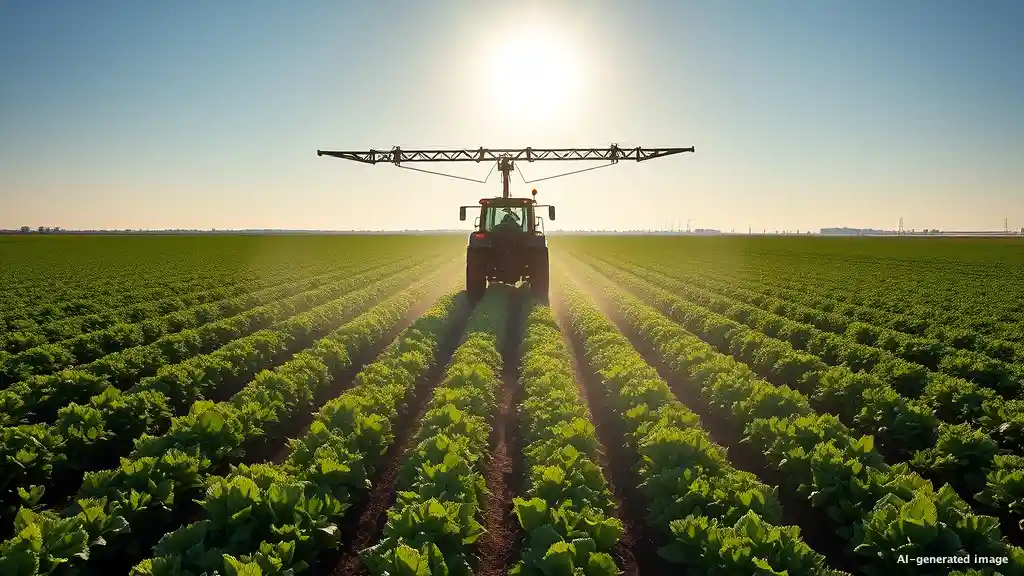
When the same plant species is grown on the same growing area over several years, soil-borne pathogens accumulate that could be interrupted by crop rotation. To control this pressure, various active ingredients are used: herbicides such as glyphosate, atrazine, or dicamba are frequently applied before sowing to clear fields of weeds; in fruit, wine, and vegetable production, fungicides combat fungal infections, while insecticides like chlorpyrifos or imidacloprid act against pests. Systemic agents such as neonicotinoids are taken up by the entire plant and can be detected in fruits, pollen, and nectar. This chemical use burdens soil biology: pesticides can accumulate in the soil and remain there for long periods of time. They burden earthworms as well as fungal and bacterial flora; since many synthetic active ingredients specifically influence individual binding sites on enzymes or receptors, they can impair the biological function of the soil. Intensive cultivation also leads to a gradual loss of humus, which increases dependence on chemicals and energy. In the supply chain, residues enter food through direct contact or indirect routes such as volunteer crops and animal products from treated feed. On average, 0.48 mg/kg of pesticides were detected in conventional production, while an average of 0.002 mg/kg was measured in organic production. An EU report for the year 2024 found that one or more residues within legal maximum levels were detectable in approximately 54.5% of samples. Humans are simultaneously exposed to multiple pesticide residues, which is referred to as the cocktail effect. EFSA carries out cumulative risk assessments and investigates chronic effects on the thyroid as well as acute and chronic effects on the nervous system and craniofacial developmental disorders; furthermore, investigations into toxic effects on liver, kidneys, and reproductive organs are underway. Substances with the same toxicological endpoints can act additively. Certain combinations can also reinforce each other: research shows that cypermethrin in combination with fungicides azoxystrobin or prochloraz influences soil organisms and ecological processes.
plant families and intervals
Rotating plant families in the garden protects your soil from the same pests, diseases and nutrient hunger that related crops share. You give the spot a break of three to five years before planting something from the same family again. Nightshades like tomato, sweet pepper, eggplant and potato are heavy feeders with a minimum break of three to four years. Brassicas such as broccoli, cabbage varieties, radish and mustard greens carry a high risk of clubroot, so a five-year break is recommended. Legumes like beans, pea and lentils improve the soil and have an interval of 1-3 years. Gourds with cucumber, melon and pumpkin are also heavy feeders with a break of two to four years. Umbellifers such as carrot, parsnip, celery and fennel require a four-year interval. Onion, garlic and leek in the onion family have a break of two to four years. Lettuce, artichoke and sunflower from the aster family can be planted in the same spot after two to four years. Beetroot, mangelwurzel and spinach require up to 3 years break. Thanks to GrowSimply you don't have to worry about it anymore.
planting breaks for soil regeneration
Your soil is like a storage unit that refills itself through the sequence of various crops. You can think of it as a three-stage nutrient cycle: first come legumes that build up nitrogen, followed by low-demand plants such as leafy greens, and finally the nutrient-intensive fruiting phase. If you plant cover crops like clover or winter rye between growing phases, this protects the soil and adds organic matter to it. Schabzigerklee produces protein from atmospheric nitrogen in nodules through symbiosis with bacteria; after decomposition, this nitrogen becomes available to all other plants, which can reduce the use of synthetic fertilizer. Cover crops and fallow periods thus serve nutrient recovery. After a fallow period, deep-rooting crops are often grown if there has been above-average leaching, as these plants can help recover nutrients that were not used or have leached into deeper soil layers. A one-year fallow is short and insufficient for full soil regeneration; longer fallows of three to four years, on the other hand, allow for a complete recovery of soil fertility. Green manure can be used as a cover crop to protect the soil during non-growing periods. These plants contribute to organic matter through their decomposition and thus improve soil structure as well as microbial activity. An alternative is to give heavy feeders additional nutrients at planting and during the growing phase. This simplifies and optimizes your crop planning so that you can simply harvest more.
Practical implementation in the garden
Your garden needs a clear rhythm so that the soil does not become exhausted and diseases stay away. You divide your growing areas into equal-sized sub-areas(sub-plots), which helps keep harvest yields stable. Your growing plan must now ensure for all coming years that crop rotation is maintained. For particularly susceptible crops like cabbage (mustards), you should observe a five-year break before they return to the same spot.
Creating and managing sustainable growing plans for all coming years is very complex and time-consuming. GrowSimply takes on this task for you and reminds you of upcoming work at the right time. This keeps your beds permanently healthy and allows you to continue cultivating sustainably on the same areas every year.
This is how GrowSimply takes the work off your hands
Crop rotation is the craft of your vegetable bed and GrowSimply takes over the planning. The app automatically creates a sustainable growing plan for your areas including the necessary intervals and continues the annual rotation for the following year. This keeps your soil healthy in the long term without you having to calculate complex rotation plans yourself.
No mental checklists needed — GrowSimply puts the right steps on your to-do list at the right time.
The Vegetable Guide is free — the sowing calendar and the recipes are free to use with an account, too. Behind GrowSimply are many years of development and high running costs. But we deliberately do without advertising. There is no tracking either. If the project helps you, support it now — so it stays this way.
The guide explains the craft. With GrowSimply you can apply it. You get a personal growing plan with suitable time windows for your location (with postcode-accurate weather data), can implement sustainable planning by following crop rotations, and even receive recommendations for good neighbours. So you don't forget anything, you always get to-dos at the right time. GrowSimply wants to be the only app you need – without ads and tracking.
 Sellerina