Plenty of sun - that was easy; now let’s look at the soil!

Of course there are plants that like more or less sun - less is the exception here.
Promoting healthy plant growth and ensuring an abundant harvest depend largely on the activity of soil life. The term Living Soil stands for the central importance of soil life for maintaining and promoting a diverse and high-yield plant world.
A sustainable growing plan that considers crop rotations, planting breaks, companion planting, the right timing, and annual rotation plays a crucial role in promoting and maintaining a living soil.
1. Determine existing soil type
Not every soil is the same. This is how you recognize the soil type and optimize it for vegetable growing.
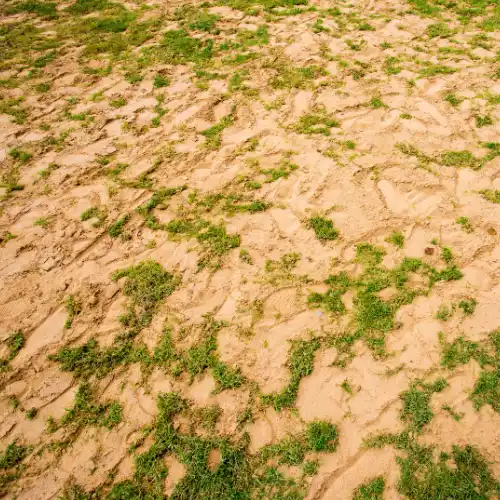
Sandy soil: Light and well-draining, but poor in nutrients and moisture. Tip: Add compost and clay minerals to improve water and nutrient retention.
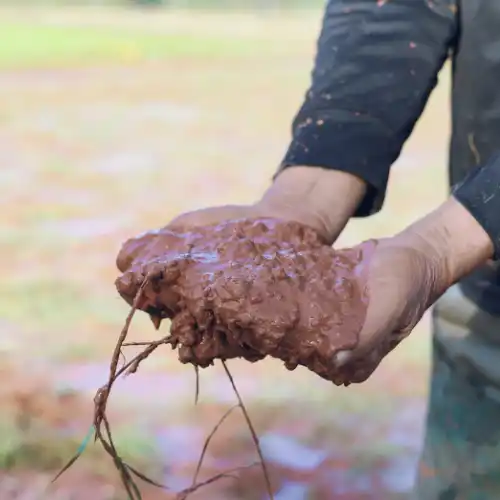
Loamy soil: Heavy, but rich in nutrients. However, it tends to waterlogging. Tip: Loosen the soil with sand or organic material.

Humus soil: Ideal for vegetable growing because it is rich in nutrients and well-draining. Tip: Keep it moist and fertile with regular mulching and compost applications.
1.1 Determine the soil type yourself
When creating new growing areas, you determine the soil type yourself.
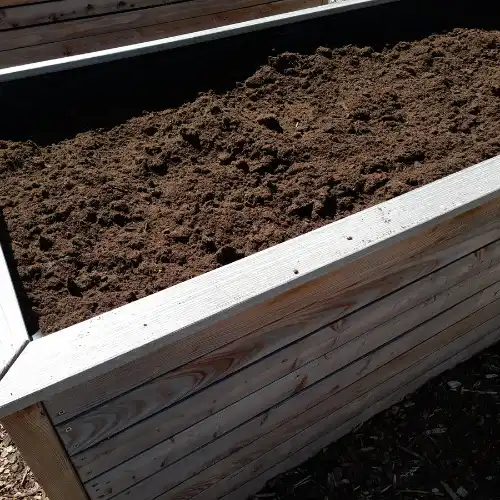
Fill raised beds: First layer: coarse material like branches, twigs, or wood chips. It ensures good drainage. Second layer: coarse compost, grass clippings, or leaves to attract soil organisms. Third layer: mature compost or nutrient-rich garden soil to finish.
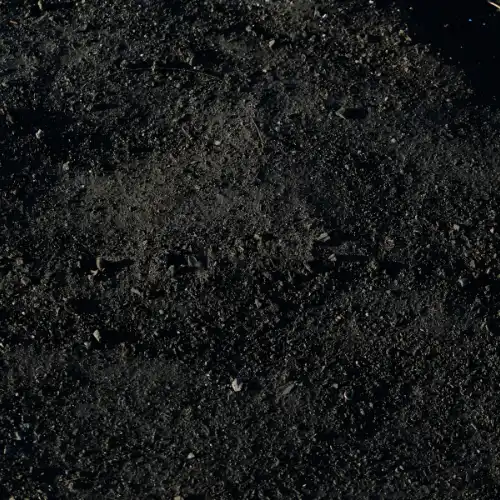
Terra Preta, also called “black soil”, is a nutrient-rich soil made from organic waste, charcoal, and effective microorganisms. You can buy Terra Preta ready-made or make it yourself. Making it is labor-intensive and the finished product is one of the more expensive options. But it is also the soil best suited for plants.
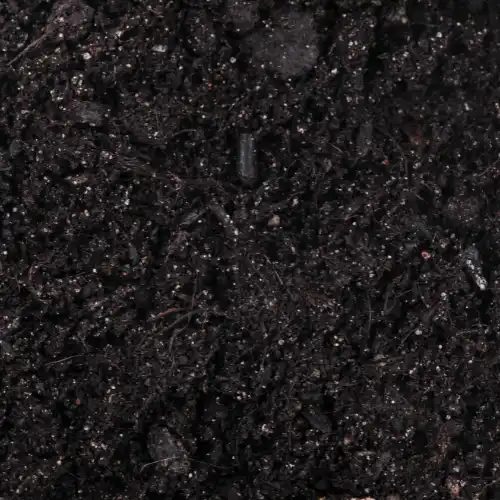
Compost is inexpensive and generally germ-free. A compost bed is a simple and cost-effective way to create a nutrient-rich growing area. Compost can also be made very easily by piling plant material in layers and turning it once or twice a year.
3. Loosen and aerate the soil properly.
Compacted soil prevents roots from growing and stops water uptake.
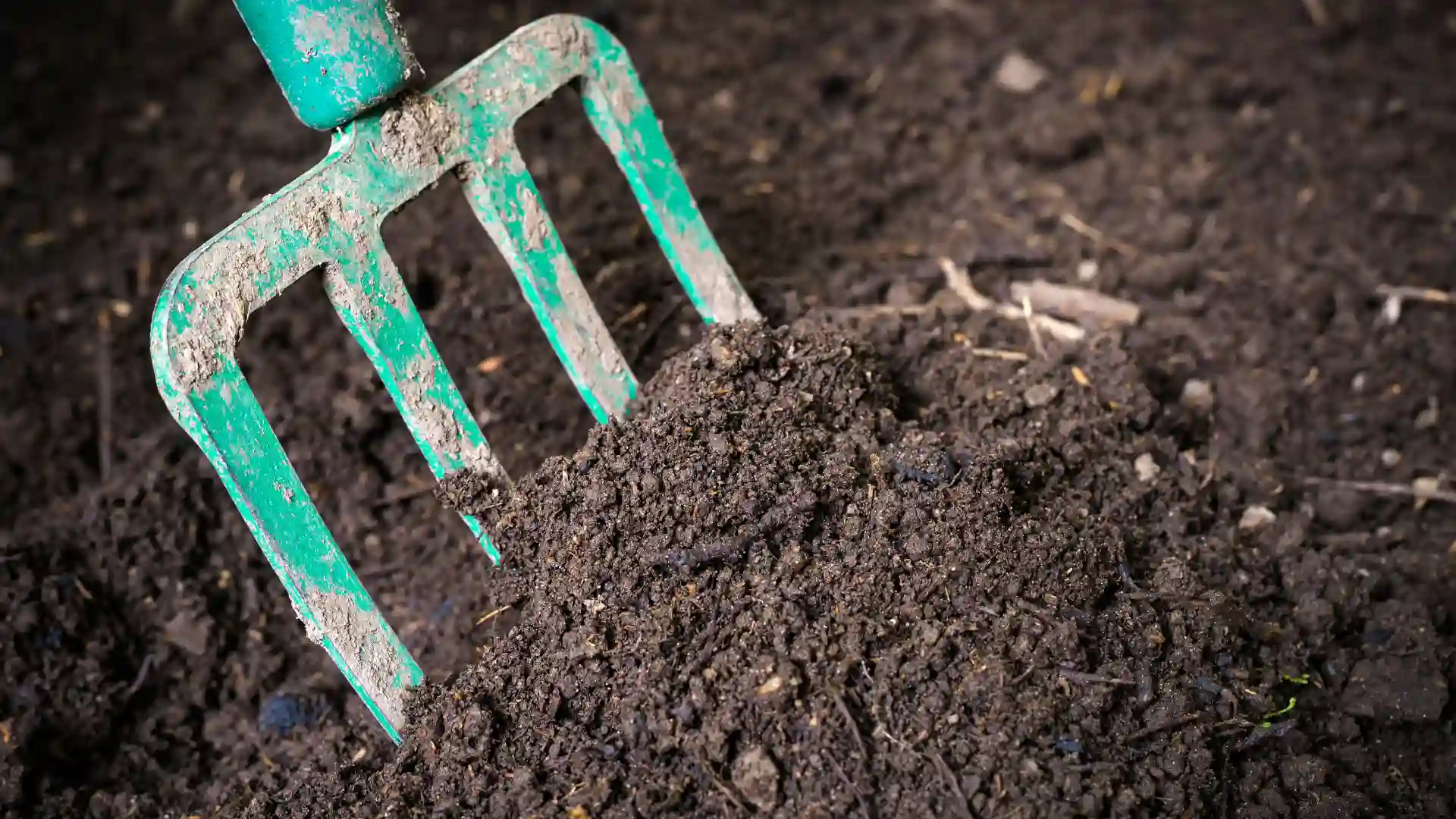
Wrong tool - A digging fork turns the soil over.
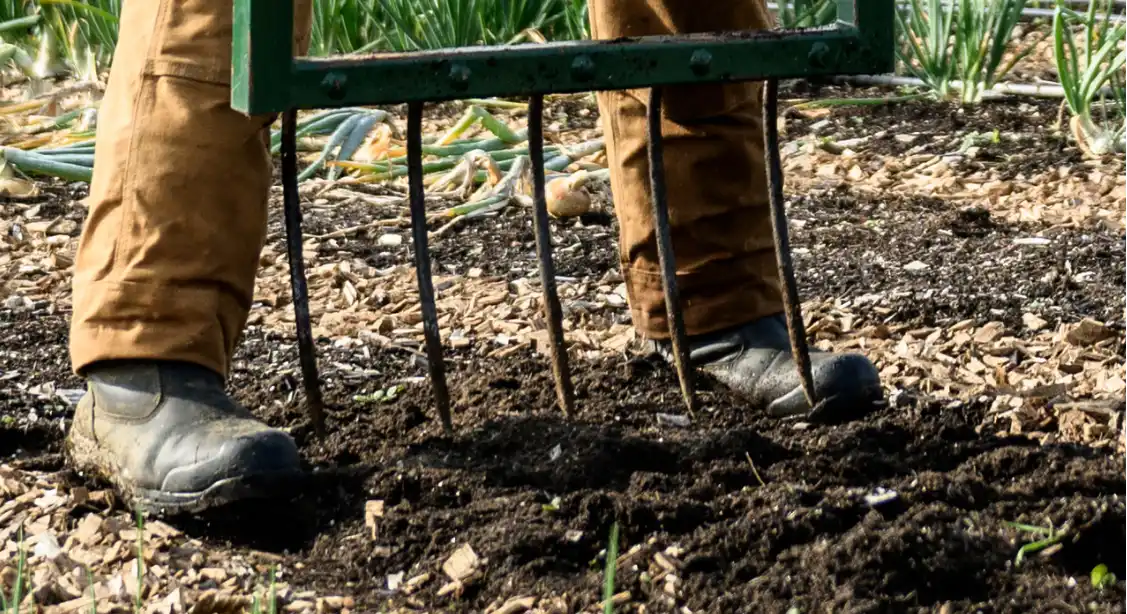
Right tool - A broadfork loosens the soil.
4. Care for your microorganisms
Deeply misunderstood beings - or at least totally underestimated.
|
Soil microorganisms are tiny but extremely important living beings that significantly influence the health and fertility of soils. Although they are not visible to the naked eye, they perform a wide range of tasks that keep the soil alive and fertile.
|