Create account Forgot password


Create account Forgot password
Testmodus aktiv Erstelle deinen ersten Plan – dann kannst du speichern.
7. Use growing areas

Create your own growing plan.
7. Use growing areas

By considering crop rotations, planting breaks, companion plantings, and the right timing, we plan the growing areas as efficiently as possible so we can harvest fresh and healthy vegetables even in winter.

🧩 Use growing areas optimally 📅 Timing & growing season 🥬 Harvest even in winter

Your growing areas

Your documents

First, please have the documents for your favorite vegetables from chapter 3, “Select plants”, and your calendar with the to-do list for all months from chapter 4, “Overview and organization”, ready.


Your calendar should now look roughly like this:

Beds by the hedge - January -

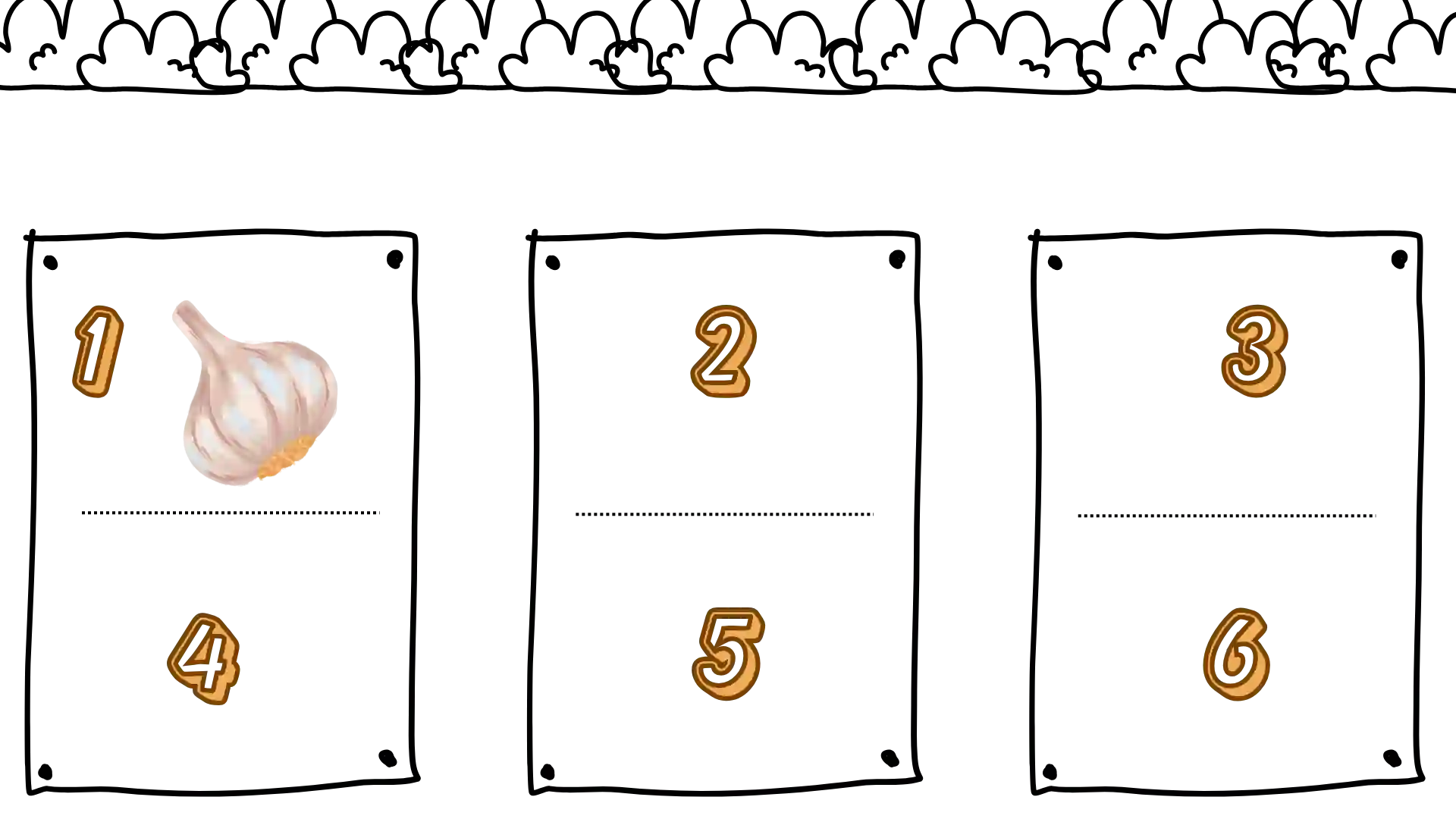
Maybe your growing areas are very large - so large that the expected harvest is simply too abundant. Or maybe you only have these 3 growing areas available. Either way, the goal is to create plannable growing areas or groups. You achieve this by having a growing area consist of 3 to 6 sub-areas or your group contain 3 to 6 growing areas and/or sub-areas. You’ll learn why in the next chapter - 5. Crop rotations and planting breaks.

TO-DO list

Maybe your growing areas are very large - so large that the expected harvest is simply too abundant. Or maybe you only have these 3 growing areas available. Either way, the goal is to create plannable growing areas or groups. You achieve this by having a growing area consist of 3 to 6 sub-areas or your group contain 3 to 6 growing areas and/or sub-areas. You’ll learn why in the next chapter - 5. Crop rotations and planting breaks.

Beds by the hedge - February -

Maybe your growing areas are very large - so large that the expected harvest is simply too abundant. Or maybe you only have these 3 growing areas available. Either way, the goal is to create plannable growing areas or groups. You achieve this by having a growing area consist of 3 to 6 sub-areas or your group contain 3 to 6 growing areas and/or sub-areas. You’ll learn why in the next chapter - 5. Crop rotations and planting breaks.

TO-DO list

Maybe your growing areas are very large - so large that the expected harvest is simply too abundant. Or maybe you only have these 3 growing areas available. Either way, the goal is to create plannable growing areas or groups. You achieve this by having a growing area consist of 3 to 6 sub-areas or your group contain 3 to 6 growing areas and/or sub-areas. You’ll learn why in the next chapter - 5. Crop rotations and planting breaks.

Check your favorite vegetables list!

Check your favorite vegetables list!

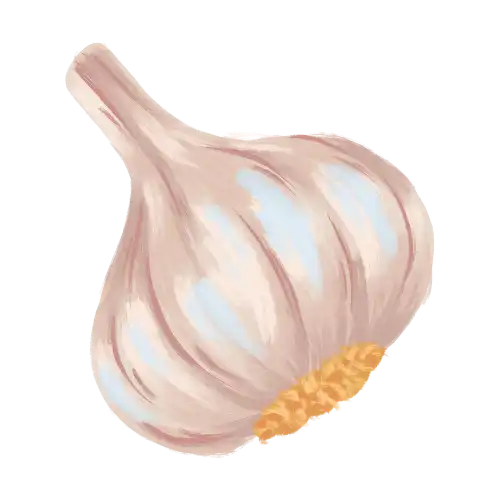
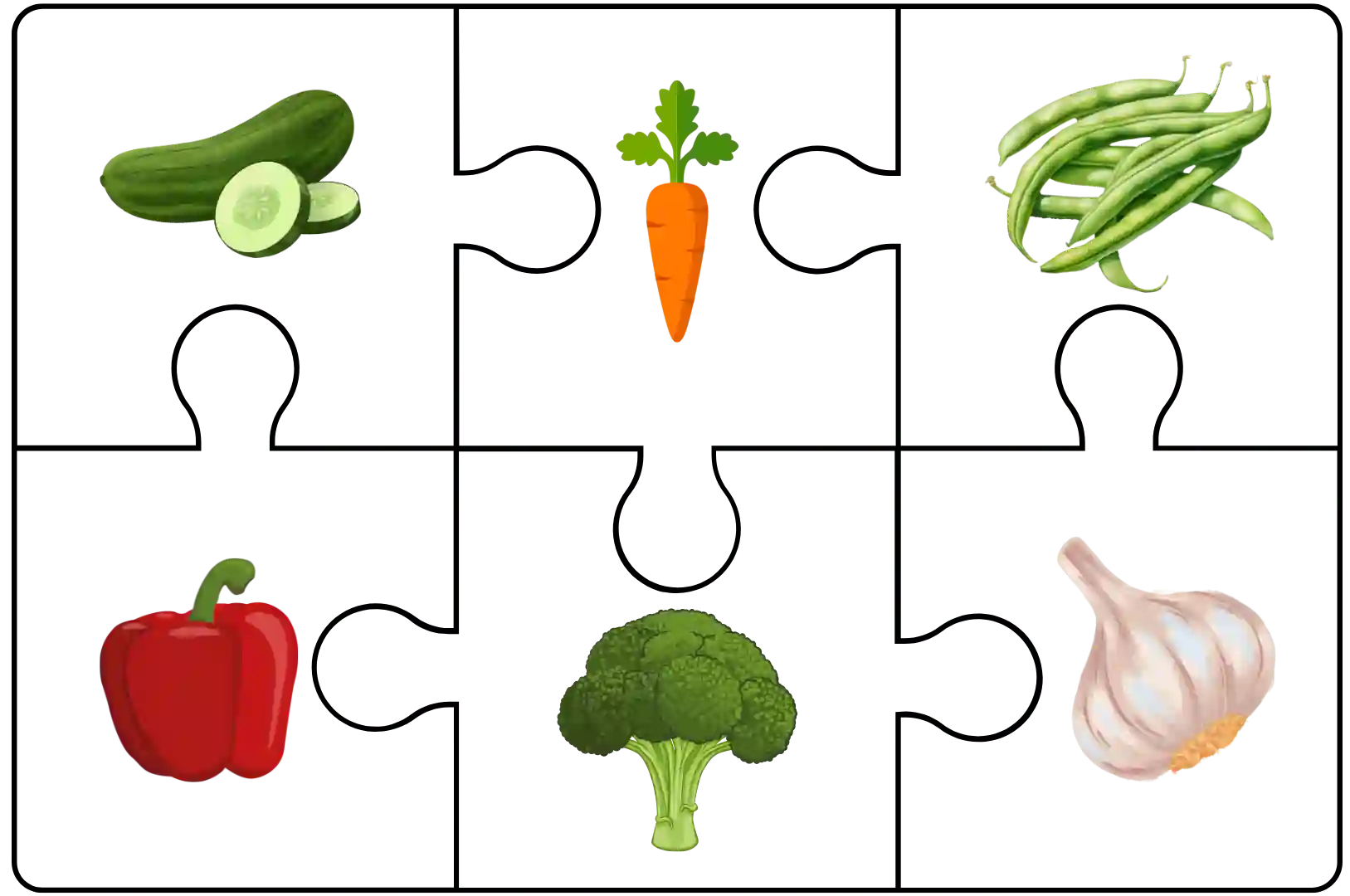
Check your list for vegetables that require an activity in March. In this case, there are three: broccoli, sweet pepper, and garlic. Sweet pepper and broccoli are not transplanted until May, but because they germinate for a long time and grow slowly, they can already be pre-grown in March.

Garlic: Transplant from March to April. Garlic can also overwinter in the bed, so it can be transplanted in fall and harvested in the summer of the following year. Garlic is a medium feeder and easy to grow.

Now let’s grab a favorite vegetable!

Garlic: Transplant from March to April. Garlic can also overwinter in the bed, so it can be transplanted in fall and harvested in the summer of the following year. Garlic is a medium feeder and easy to grow.


Beds by the hedge - March -

Beds by the hedge - March -

TO-DO list

check Transplant garlic x8
check Pre-growing x4: sweet pepper
check Pre-growing x4: broccoli

Beds by the hedge - April -

Beds by the hedge - April -

TO-DO list

check Pre-growing x4: cucumber

Check your favorite vegetables list!

We will now also check the rest of the list for the coming months.

Beds by the hedge - May -

Beds by the hedge - May -

TO-DO list

check Transplant sweet pepper x4
check Transplant broccoli x4
check Transplant cucumber x4
check Transplant bush bean x4

Garlic: Transplant from March to April. Garlic can also overwinter in the bed, so it can be transplanted in fall and harvested in the summer of the following year. Garlic is a medium feeder and easy to grow.

Close gaps and fill them!

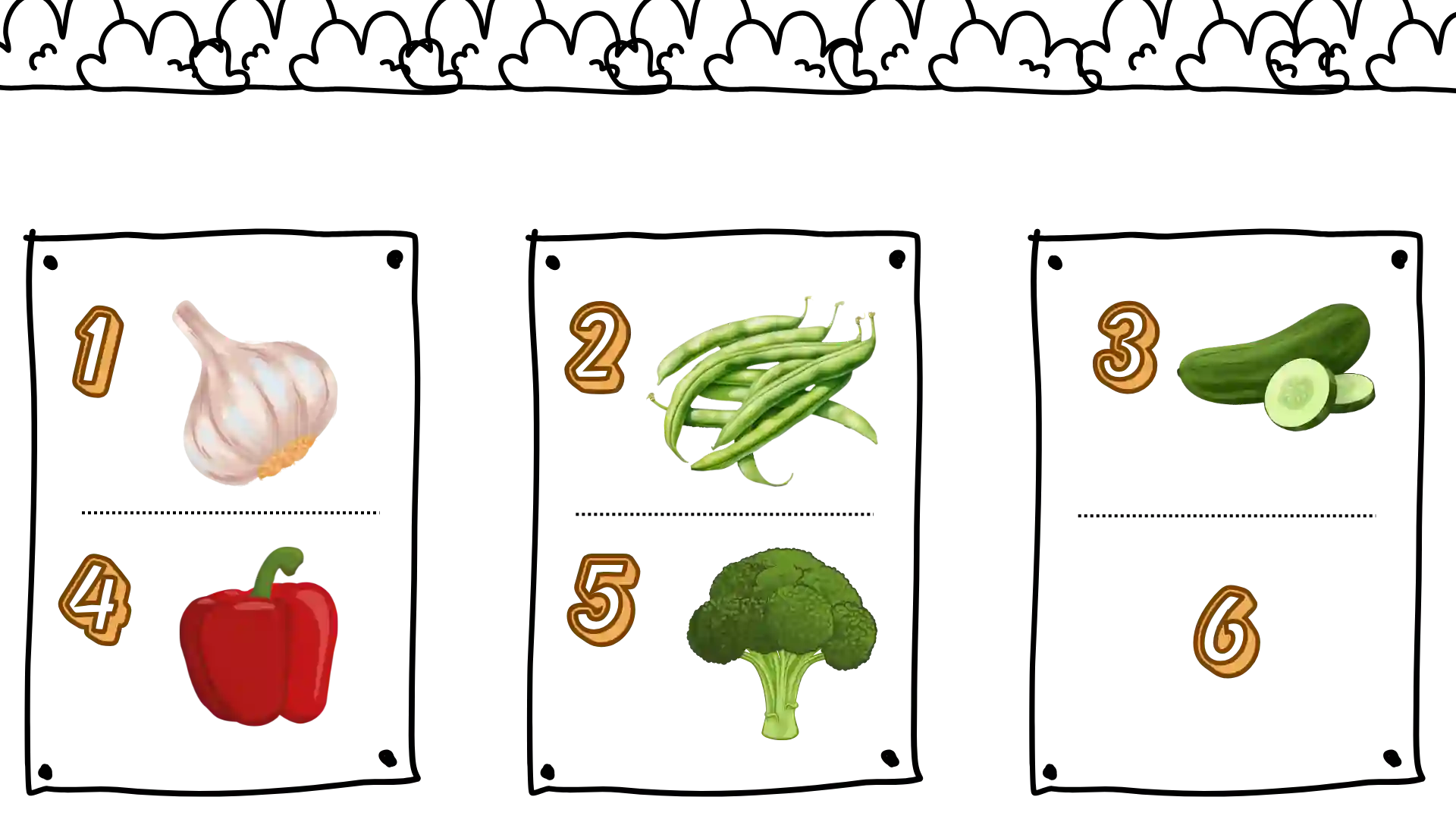
As in this example, it is very likely that your plan has some gaps. To fill these gaps a bit or make your plan as efficient as possible, you need to do a bit of puzzling – hopefully something you enjoy.

Please scroll down

Pay attention to crop rotations

Do you like parsley? Then add it to your growing plan - but be careful! The only right place is - in this example - in front of the carrots.

Pay attention to crop rotations
Observe the planting breaks

Observe the planting breaks

With a 3-year planting break, you count from the following year up to 3. A suitable growing area needs at least 4 sub-areas.

Optional: Consider companion planting

Optional: Consider companion planting

GrowSimply - sustainable growing plans


Your own vegetables.

· No tracking · No data selling
· No ads · Servers in Germany

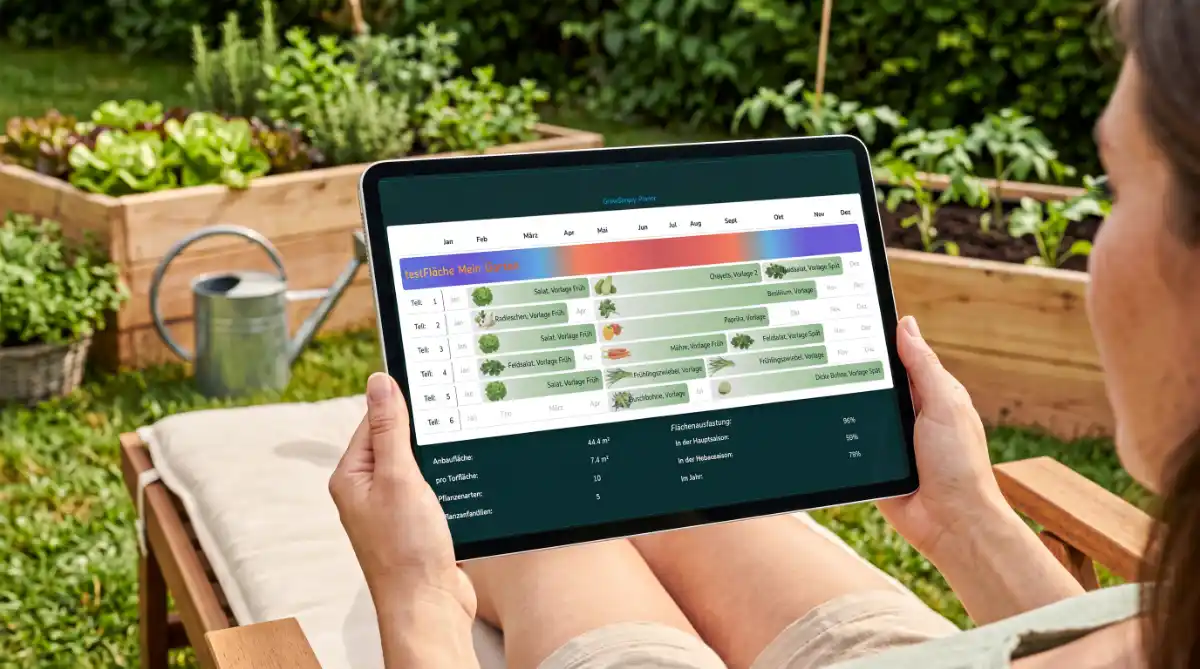
GrowSimply creates your vegetable growing plan and important to-dos automatically and manages everything for you! Crop rotation, planting breaks, companion plantings, the right timing, and annual rotation are considered for all coming years.

Right

More time for you

Right

No paperwork

Right

No planning mistakes

Create your own vegetable growing plan. Start planning.

Great!

Just a few more words about the coming years - and that's it!

8. The annual rotation

Your security key has been renewed. Please sign in again.

Please sign in or create an account.


Create account Forgot password