Create account Forgot password


Create account Forgot password
Testmodus aktiv Erstelle deinen ersten Plan – dann kannst du speichern.

Create your own growing plan.
6. Companion plants

Good companion plants are plants that complement each other and can support one another – a real combination where one plant can benefit from the other. What are their pros and cons? Let’s take a closer look to understand whether this makes sense for you.

🤝 Good neighbors 🐛 Fewer pests 🌱 Better yield?
6. Companion plants

Good companion plants.

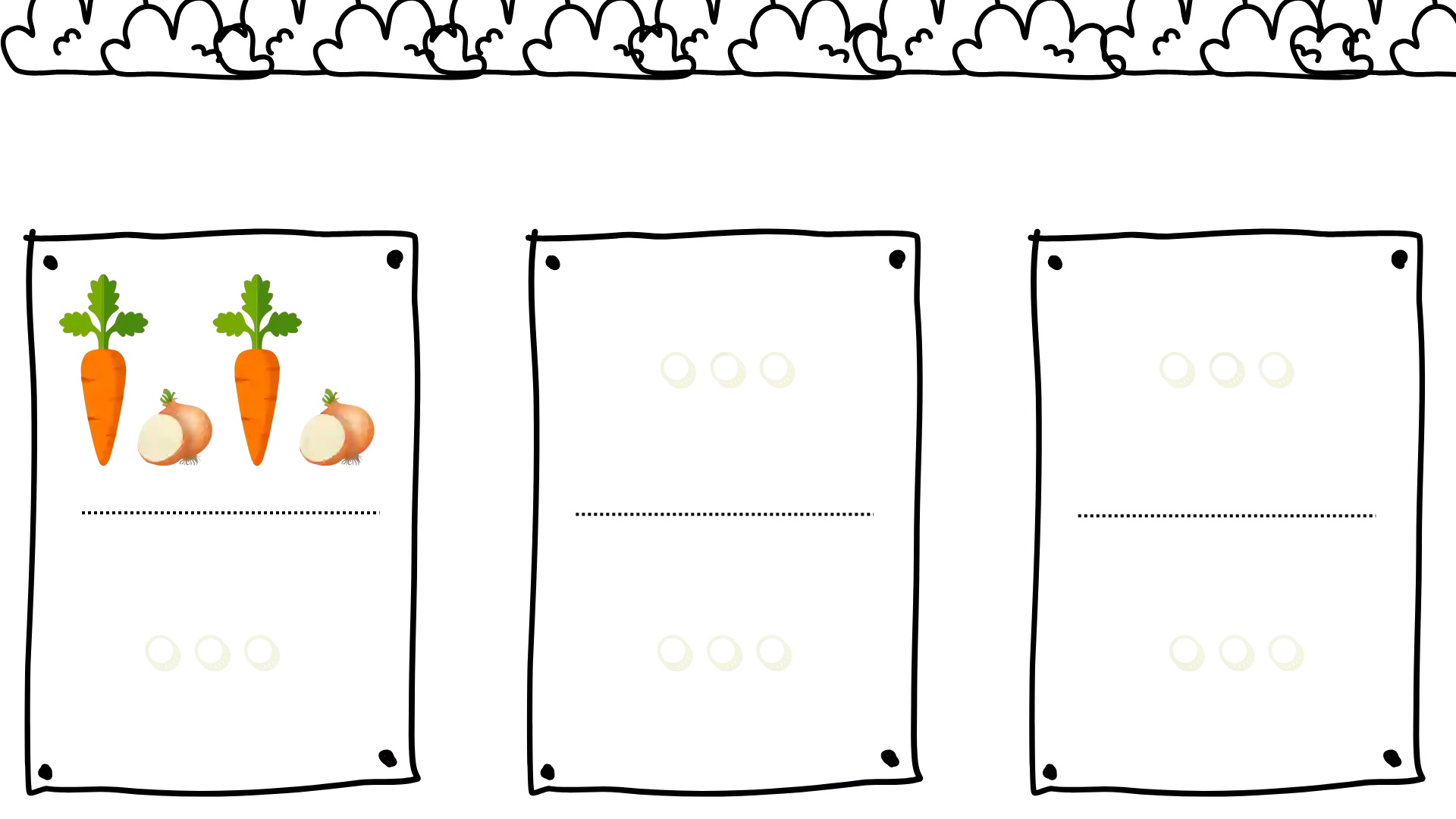
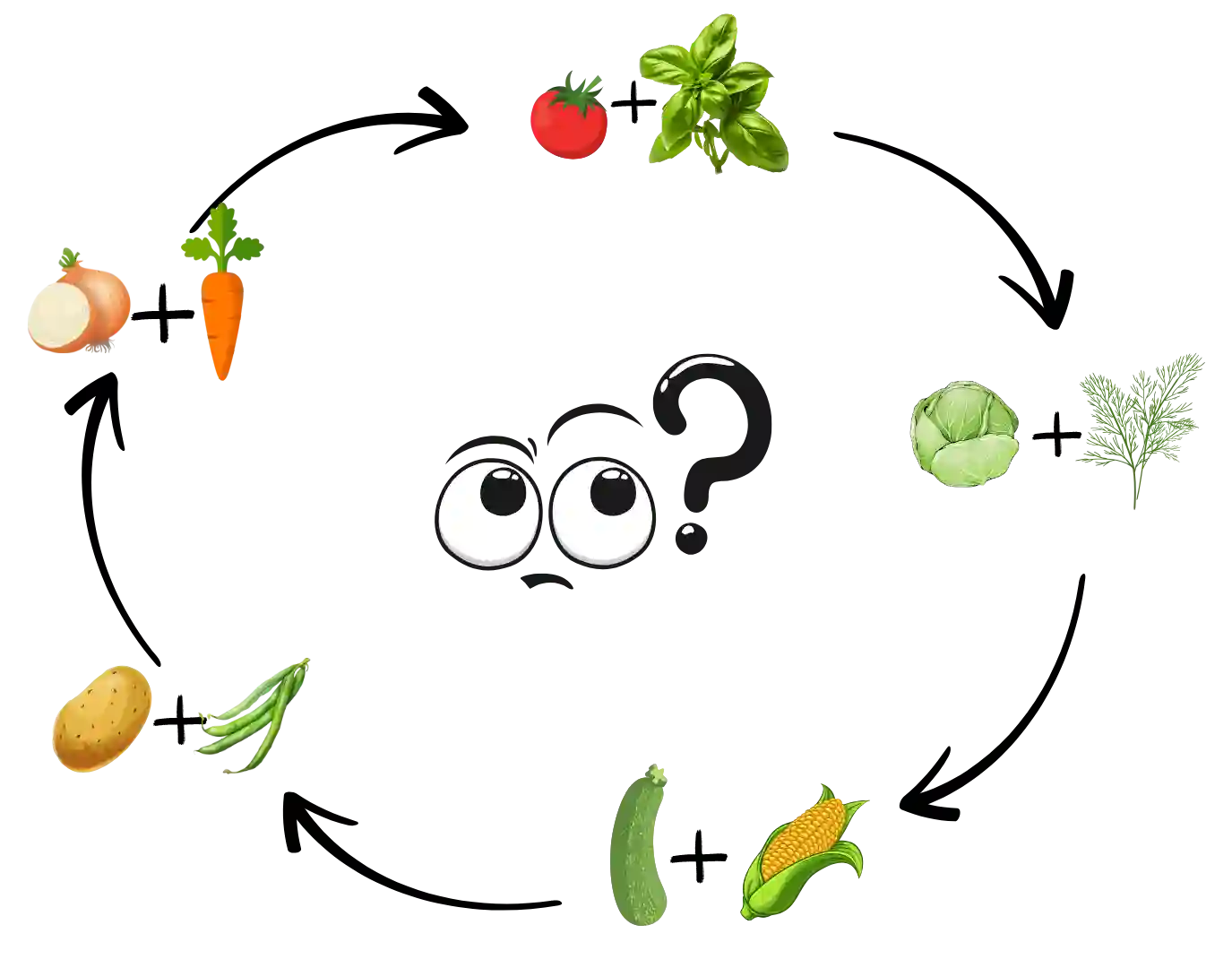
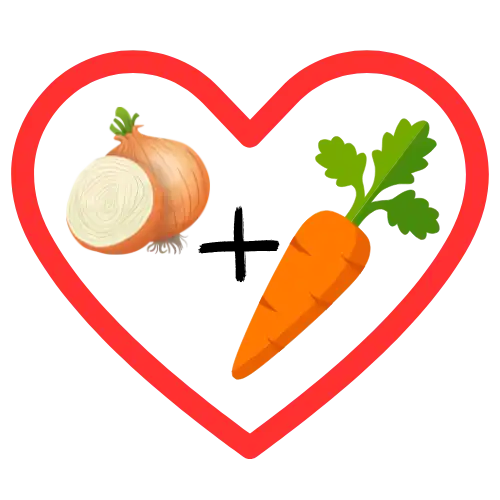
A great example of good companion plants is carrots and onions. Carrots benefit because the smell of onions deters the carrot fly, while onions are protected from the onion fly by the scent of carrots. This combination can therefore support the health of both plants.

Your growing area would therefore be planted like this:


Raised beds by the hedge

Can our favorite vegetables be grown like this?

There are even more great combinations. For example these:

Please scroll down
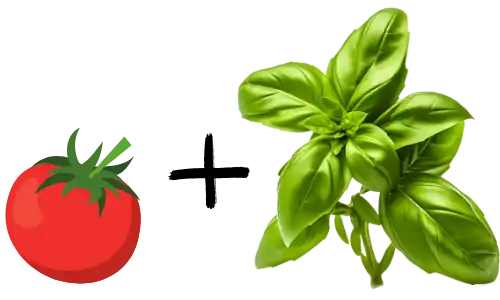
Tomatoes and basil: Basil protects the tomatoes from pests like whitefly and also improves the taste of the fruit.

Tomatoes and basil: Basil protects the tomatoes from pests like whitefly and also improves the taste of the fruit.

Cabbage and dill: Dill keeps cabbage butterflies away, which often cause damage to cabbage plants.

Cabbage and dill: Dill keeps cabbage butterflies away, which often cause damage to cabbage plants.

Zucchini and sweet corn: Sweet corn provides zucchini plants protection from too much sun, while the zucchini keeps the soil moist.

Zucchini and sweet corn: Sweet corn provides zucchini plants protection from too much sun, while the zucchini keeps the soil moist.

Potatoes and beans: Potatoes protect beans from wind, while beans increase nitrogen in the soil, which benefits the potatoes.

Potatoes and beans: Potatoes protect beans from wind, while beans increase nitrogen in the soil, which benefits the potatoes.


The disadvantages

Sounds promising, doesn’t it? But as with many things, companion planting also has disadvantages. To this day, there are no scientific studies that clearly prove how effective good companion plants really are. Most recommendations are based on the experience of vegetable growers and hobby gardeners. However, numerous individual factors such as location, soil conditions, and care play a role, which influence the results and make them difficult to reproduce.

Please scroll down
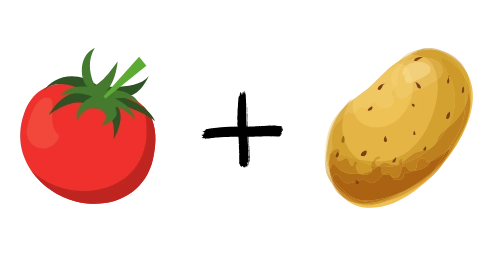
A classic example of very bad companion plants is potatoes and tomatoes.

There are also bad companion plants.

A classic example of very bad companion plants is potatoes and tomatoes.

1. Same diseases and pests: Both plants belong to the plant family nightshades and are susceptible to the same diseases, such as late blight. If one plant becomes infected, the disease quickly spreads to the other.

2. Competition for nutrients: Potatoes and tomatoes have a high nutrient requirement and compete intensely for the same resources in the soil, which can inhibit the growth of both plants.

3. Space requirements: Both plants need a lot of space and can overgrow each other, which makes care more difficult and increases the risk of disease due to poor air circulation.

More complex crop rotations

More complex crop rotations

We’ve now looked at 5 great companion plants, but can we really grow these in the “Raised beds by the hedge”? Unfortunately not. The combination of tomatoes and potatoes is not only a bad example of good companion planting – it also violates the basic principles of crop rotation.

Please scroll down

Pros and cons

Pros and cons

Onions and carrots are indeed an excellent pair, especially when it comes to pest control. Despite this great cooperation, there is also a downside. Both are root vegetables, and as they develop their tasty fruit, they compact the soil around them. A bit more spacing is important – but it also leads to less yield.

Tomatoes and basil - they somehow belong together, right? While tomatoes even prefer to stand in the same place every year, planting basil there every year damages the soil. In addition, basil doesn’t get much sun as a neighbor to the tomato.

Tomatoes and basil - they somehow belong together, right? While tomatoes even prefer to stand in the same place every year, planting basil there every year damages the soil. In addition, basil doesn’t get much sun as a neighbor to the tomato.

GrowSimply - sustainable growing plans


Your own vegetables.

· No tracking · No data selling
· No ads · Servers in Germany

GrowSimply creates your vegetable growing plan and important to-dos automatically and manages everything for you! Crop rotation, planting breaks, companion plantings, the right timing, and annual rotation are considered for all coming years.

Right

More time for you

Right

No paperwork

Right

No planning mistakes

Create your own vegetable growing plan. Start planning.

Almost done!

Paying attention to crop rotations and planting breaks is much more important than good and bad companion plants. Companion plantings can help push back pests a bit. While an insect protection net would help better in most cases, it has much less heart.

Shall we plan the growing areas now?

7. Use growing areas

Your security key has been renewed. Please sign in again.

Please sign in or create an account.


Create account Forgot password