Growing arugula: How to succeed with your spicy lettuce
Experience the peppery taste of home-grown arugula directly from your own garden bed.
Sellerina5 min readUpdated on September 20, 2026
Thomas and Sellerina · Completed by the community
In short
Cultivation is possible throughout the year. Direct sowing for the first harvest takes place in March, with the harvest window falling between May and June.
At a glance
curated data from the GrowSimply database
Germination temperature
4–20 °C
Growing time
approx. 4 months
Yield per plant
approx. 25 g
Planting distance
10 × 20 cm
Growing method
Direct sowing
Harvest window
May – June
You don't need to remember any of this, because GrowSimply creates your growing plan from these properties.
These are average values for Central Europe, from the GrowSimply database. Values differ depending on variety and location. You can change each property by hand — or the Assistant adapts the plant to your climate.
Videos open in a new tab at the respective provider. Their privacy policy applies there.
Location & Soil
Arugula feels most comfortable in a semi-shaded spot. If you deny it the intense midday sun and instead provide a mix of morning sun and shade at midday, it stays relaxed. The plant forms a small rosette with a maximum growth height of 20 cm. Since its roots remain very shallow, the soil needs a loose structure so that it does not have to fight against hard barriers. If you also keep the soil evenly moist, you will deter flea beetles. These little pests actually prefer it dry.
Sowing & planting
Direct sowing
Direct-sowing option
The best way to sow arugula is directly into the bed or you can pre-grow it in February to transplant it in March. If you choose direct sowing, it is the fastest way to get greenery, but pre-growing saves you valuable time during harvest. If you plant it from a container into the bed as early as May, your first harvest will already be ahead of you. The arugula behaves like a little professional with a very full schedule: after the initial growth, it takes a short break before starting a second attempt. If the soil temperature is between 4 and 20 °C, the seeds germinate reliably within 5 to 10 days. In summer, you can sow a new batch every three weeks, which is called succession sowing. If you use this method, your arugula is made for you, because this way you actually have fresh leaves throughout the entire summer. In July, you pre-grow it again and from October to December you harvest the leaves again. When sowing, pay attention to a plant spacing of 10 cm in the row and 20 cm between rows.
The right time windows for your garden are already in your growing plan — you don't even have to do the math. They are derived from your location and climate.
Watering & Fertilizing
Arugula requires a moderate amount of water and, as a light feeder, can manage with very few nutrients. If you fertilize it too heavily, it is more likely to harm the plant than help it. You will save money on expensive specialty fertilizers if you simply mix some mature compost into the soil when planting. This small amount is quite sufficient, as arugula draws only a few nutrients from the soil. If you treat it like a hungry diva, it loses its characteristic spiciness. Therefore, you will harvest a strong aroma if you remain rather restrained with it.
Harvest
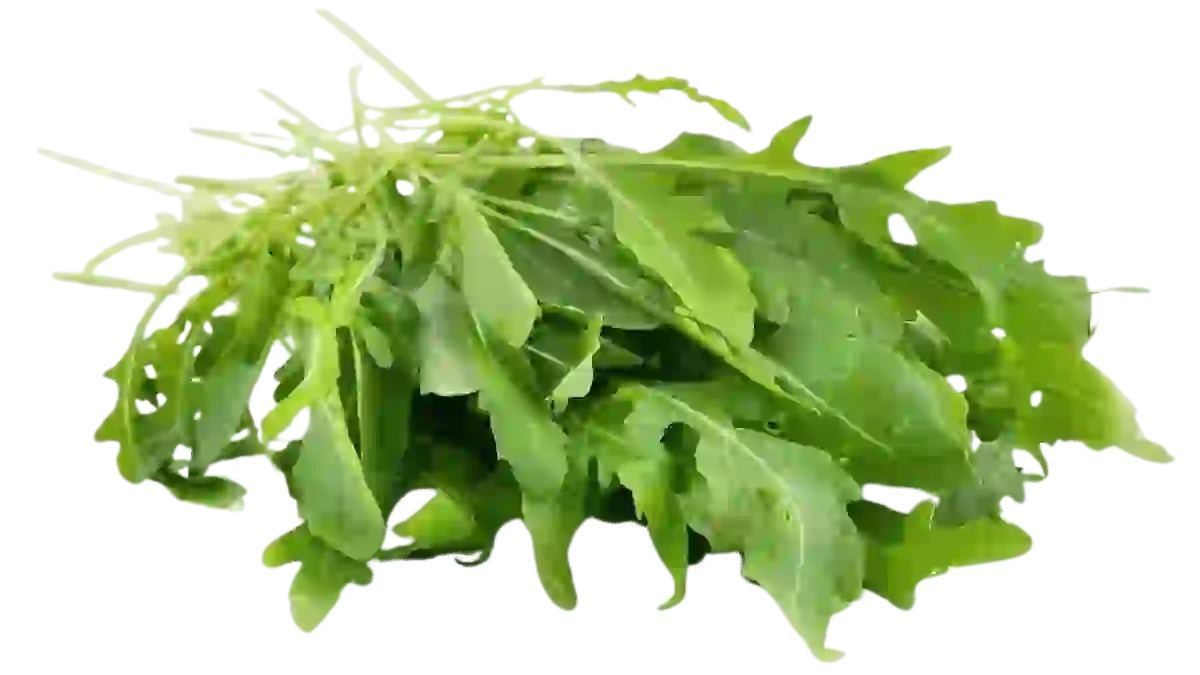
The best time to harvest your arugula is when the leaves have reached a height of 10 to 15 cm and look dark green as well as compact. If you cut it in this state, you will benefit from a mild aroma instead of a bitter surprise. As soon as the plant begins to bloom and forms flower stalks, the flavor shifts massively towards bitter. You are therefore not harvesting a spoiled plant, but simply an specimen that is too late. If you harvest the arugula before bolting, it remains tender and tastes as desired. Your harvest window is between May and June, with the first harvest starting after only two months. You can continue to harvest continuously over a period of two months, as long as the plant has not exceeded its cultivation duration of four months in total. If you get about 25 g yield per individual plant from the bed, you will have achieved a good yield even in the first year.
Frost & Protection
Arugula survives frost down to a temperature of -13 °C if you keep it in the greenhouse or under fleece. If temperatures outdoors drop to -10 °C, your cultivation reaches its safe limit. You can leave the arugula as an overwintering crop directly in the bed. If you stretch a fine protective net over the plants, it acts like a bouncer who lets no one through without an invitation. This cover protects you from bolting if you consistently harvest before this stage. Then your yield will suffice even from spring until Christmas. If you cultivate under film or in a tunnel, the safe limit is -11 °C.
crop rotation
Arugula must not be planted in the same spot again until after a five-year break, if you take the mustard plant family into account in your garden. If you plant the same thing in the same place every year, pathogens accumulate in the soil. You will soon only harvest disappointments, because after five years many gardeners give up because nothing grows properly there anymore. Your arugula is a light feeder, which means that the plant draws only few nutrients from the soil. If you are planning for continuous cultivation, you need six separate sub-areas in your garden. This prevents the soil from becoming a buffet for pests that wait for the same family like a hungry guest at a festively set table.
Seeds & Propagation
You win new seeds for your arugula by letting a strong plant bloom and rubbing the seeds from the dry seed heads. If you simply let the plant grow without harvesting it, it will go into seed production. You wait patiently until the seed heads are completely dry. Then you carefully rub out the tiny grains. If you store the seeds under good conditions, its germination capacity is preserved for 4 years. A germination rate of 85% awaits you during your next sowing attempt. This is as certain as a promise among friends, as long as you do not forget the seeds in the moist soil.
Flavor & Use
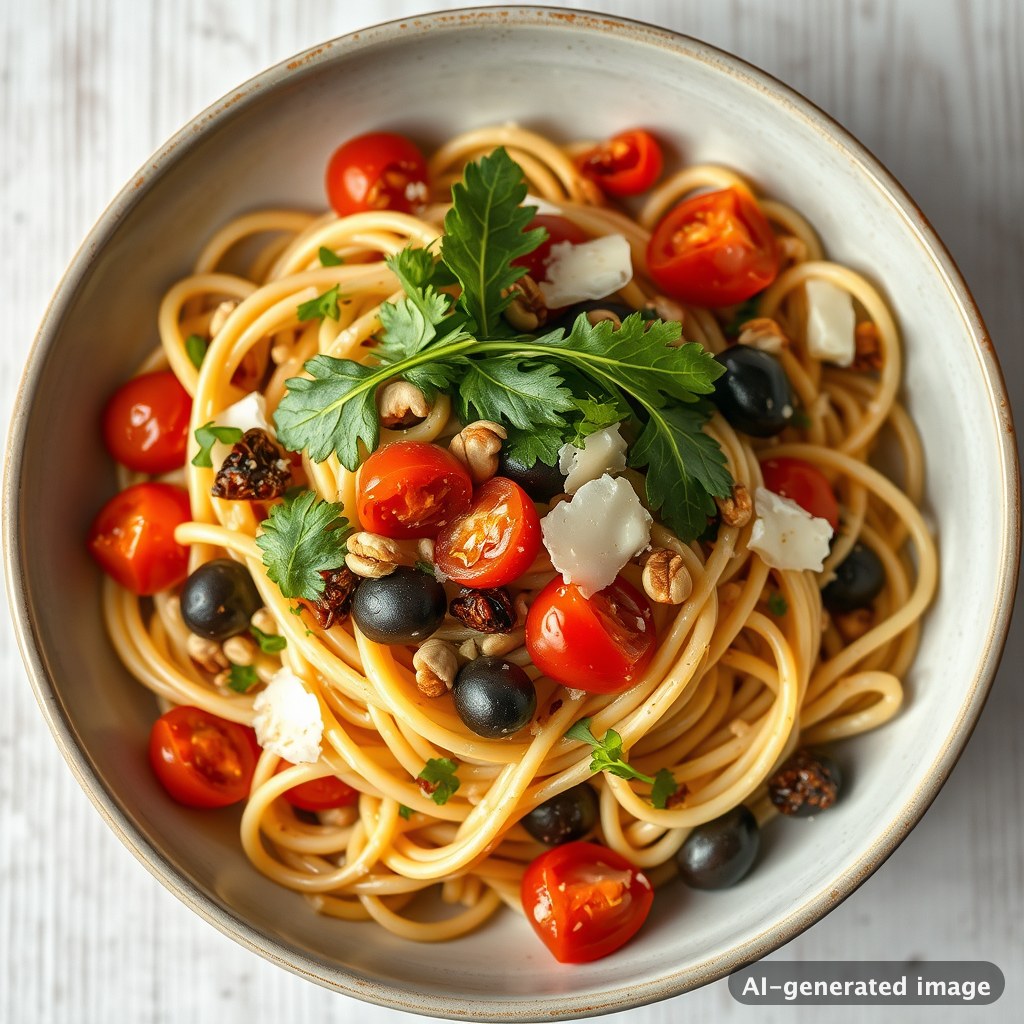
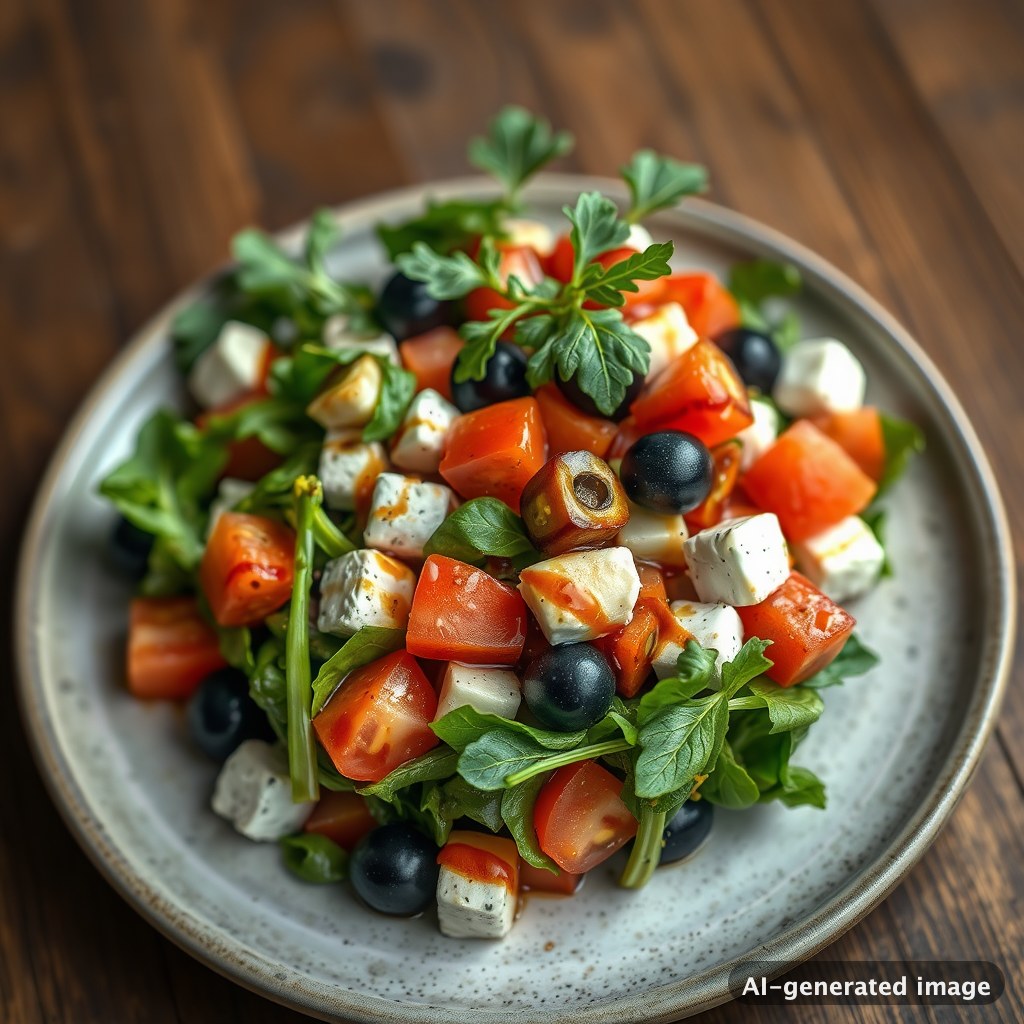
Fresh from your bed, arugula tastes peppery-spicy with a nutty undertone. When you mix the young leaves into your lettuce, you experience a delicate aroma that strongly reminds you of garden cress. The older leaves, on the other hand, give your pasta or risotto a strong bite. When you buy arugula from the supermarket, it often tastes like nothing at all, as if it had lost its entire character somewhere during transport. However, as soon as the first leaf tingles on your tongue, you will taste exactly why the monks used to get so nervous back then. You will probably only ask if you want more of it.
You can find 2 recipes matching your harvest in the app.
Arugula is actually a summer salad, but in the height of summer it completely loses control. When the heat comes, it goes crazy and loses its composure. You experience a plant that seeks peace, even though it is actually made for warm weather. In the Middle Ages, this bowl would have been strictly forbidden behind monastery walls. A single leaf was considered so dangerous back then that it was on a prohibited list. Today, it lies quite relaxed next to your fork. However, if you have it in the garden, you must expect flea beetles. These little pests punch small round holes in its leaves. For them, dry soil is the ultimate invitation to a party. Theoretically, you can welcome these guests for up to twenty years.
Remember
Choose the planting from March,
count the harvest from May to June.
The Vegetable Guide is free — the sowing calendar and the recipes are free to use with an account, too. Behind GrowSimply are many years of development and high running costs. But we deliberately do without advertising. There is no tracking either. If the project helps you, support it now — so it stays this way.
The guide explains the craft. With GrowSimply you can apply it. You get a personal growing plan with suitable time windows for your location (with postcode-accurate weather data), can implement sustainable planning by following crop rotations, and even receive recommendations for good neighbours. So you don't forget anything, you always get to-dos at the right time. GrowSimply wants to be the only app you need – without ads and tracking.
How do you achieve the perfect red cabbage in your garden? Learn everything about the right care and how you can safely save your harvest until winter.
 Sellerina