Growing blackberries: How to ensure a successful harvest
With the right care and a sunny spot, this marathon runner will gift you a huge selection of sweet fruits.
Sellerina4 min readUpdated on September 17, 2026
Thomas and Sellerina · Completed by the community
In short
The blackberry requires a location in full sun. The harvest takes place between August and October. A yield of 2000 g can be achieved per individual plant.
At a glance
curated data from the GrowSimply database
Germination temperature
10–20 °C
Growing time
approx. 12 months
Yield per plant
approx. 2 kg
Planting distance
50 × 100 cm
Growing method
Buy seedling
Harvest window
August – October
You don't need to remember any of this, because GrowSimply creates your growing plan from these properties.
These are average values for Central Europe, from the GrowSimply database. Values differ depending on variety and location. You can change each property by hand — or the Assistant adapts the plant to your climate.
Videos open in a new tab at the respective provider. Their privacy policy applies there.
Location & Soil
Blackberries need a sunny spot in your garden and soil that is deep enough for their medium-depth rooting. If you give them full sun, they will provide the energy for a decent harvest. The plant establishes itself as a perennial, which means it stays in the same place for years and does not simply move out again.
You must consider its growth height of 200 cm when doing your crop planning. If you leave it this vertical space, it will be able to unfold its full glory without any problems. Since the blackberry is a climbing plant, it absolutely needs a support structure so that it does not simply crawl across your ground like a very slow carpet. If the soil is loose and deep, its medium-depth root system will find everything it needs to survive. You will save yourself the work of transplanting in subsequent years because it stays firmly in its chosen place.
Watering & Fertilizing
Blackberries require a good amount of water and a strong dose of nutrients from the soil. If you treat them as heavy feeders, satisfying their need for plenty of fertilizer, you will harvest a vital plant with abundant fruit. Provide the blackberry in spring with mature compost and some berry fertilizer so that it has enough strength for growth. If you additionally spread a layer of mulch on the ground, it remains moist and nutrient-rich. The plant drinks like a marathon runner after a race, which is why its water requirement is high.
Without this regular moisture, the soil dries out and the berries remain small. By covering the soil with mulch, you prevent the precious water from simply evaporating into the air. You save yourself tedious watering sessions if the earth remains protected by the layer. It is almost as if you were placing a permanent buffet right under the plant's nose.
Harvest
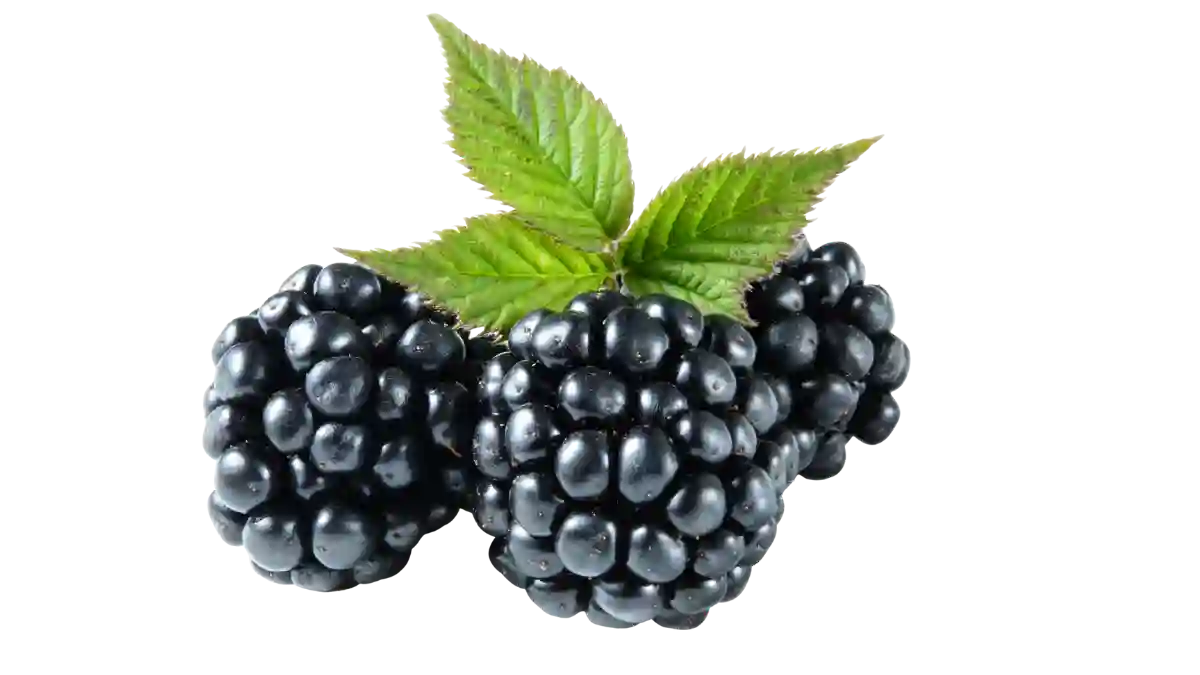
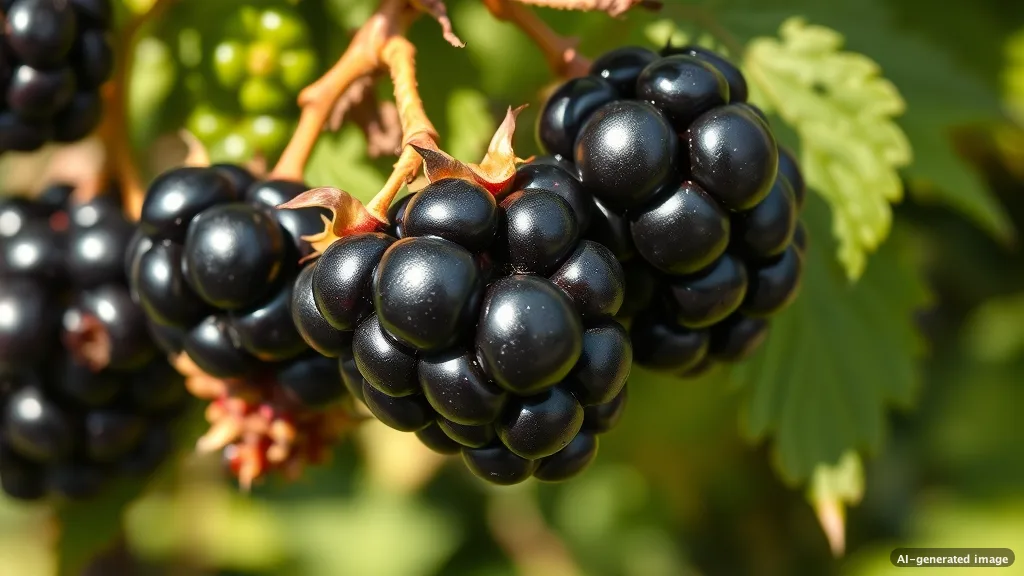
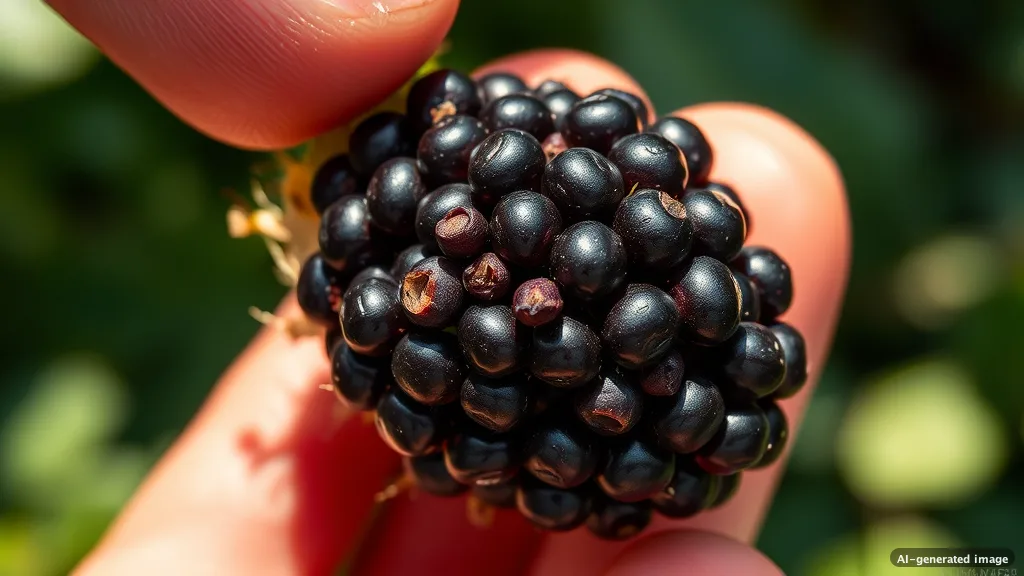
You can recognize the perfect blackberry by its deep black color and shiny appearance. If you touch it carefully, it comes easily off the core, because only then is it ready for you. You harvest between August and October, which is an extremely long window. Other berries finish their season after a few weeks, but the blackberry simply stays patiently on the bush. If your fingers don't end up getting cut while picking, but are just beautifully dark-stained, then the best time is only just beginning. You can expect a yield of 500 g per single plant.
Frost & Protection
Blackberries usually survive frost without problems, as long as the temperatures do not fall below their respective safe cultivation limit. If you leave them in an open bed, safety ends at -15 °C. The plant can withstand this value, but anything below that becomes risky for your harvest. If you use a fleece, it protects you from extreme cold and the limit shifts to -18 °C.
You can easily leave the blackberry as an overwintering crop directly in the bed. It does not need to be moved to the cellar, as long as you respect its limits. If the frost hits deeper than these values, the plant loses its shield and risks survival. The cold is like a winter sleep that is too short for it, endangering the harvest next year.
Seeds & Propagation
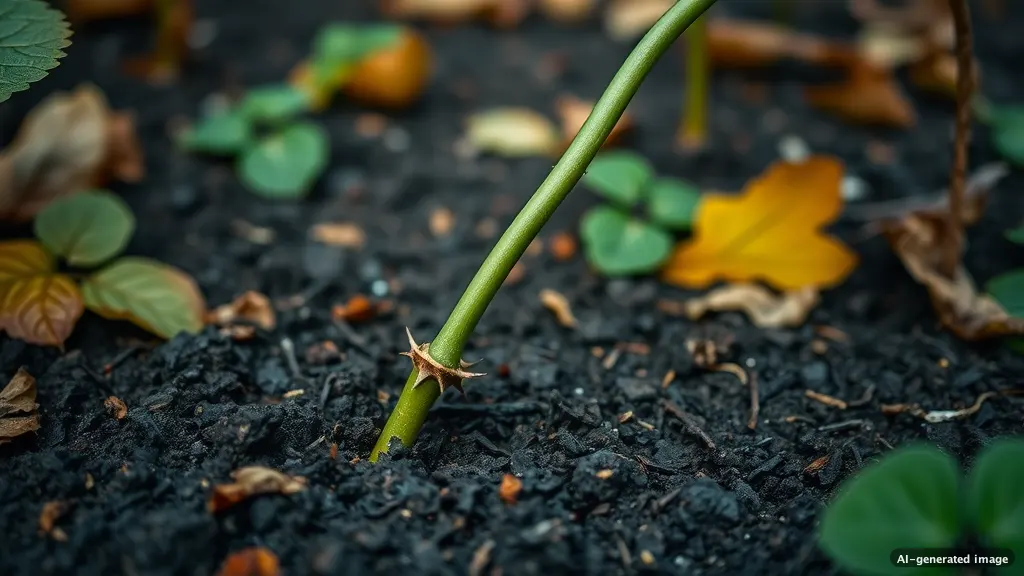
The best way to propagate the blackberry is via cuttings. If you cut off a vigorous shoot and let it root in water or soil, you will get a new plant. This saves you every cent for your next trip to the garden center. In autumn, simply bend a young shoot tip downwards and bury it two fingers deep in the soil. If you follow this step, the tip will have grown roots all by itself by spring. You will have already been given a new plant without anyone at the garden center noticing anything.
Flavor & Use
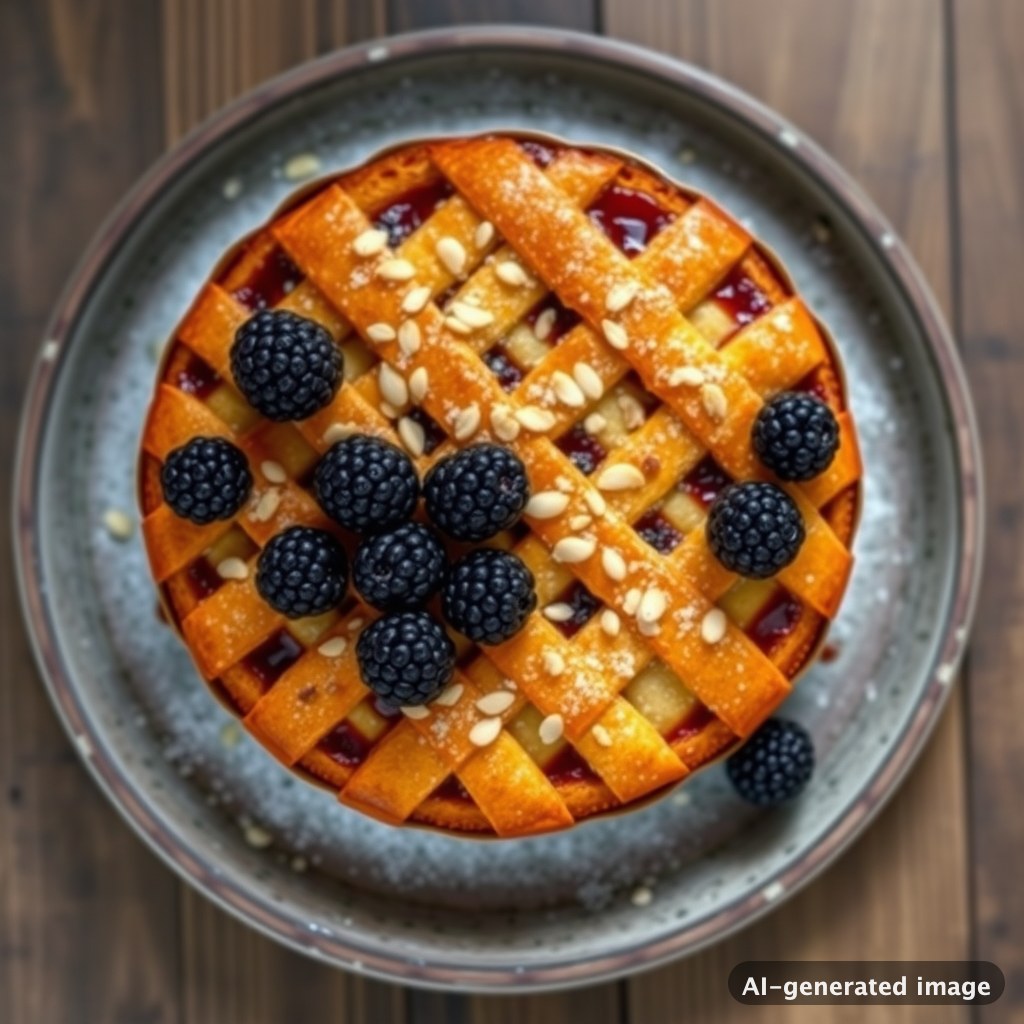
The blackberry tastes aromatic-sweet with a slightly tart note. When you snack on it directly from the bush, you enjoy the most intense aroma; this is the shortest path any fruit can take. On the palate, the berry reveals itself as balanced, fruity and sweet. And at the very end comes that tart-acidic aftertaste, as if it were clearing its throat one last time. If you cook the fruits into a jam, the flavor becomes even more intense.
You can find 2 recipes matching your harvest in the app.
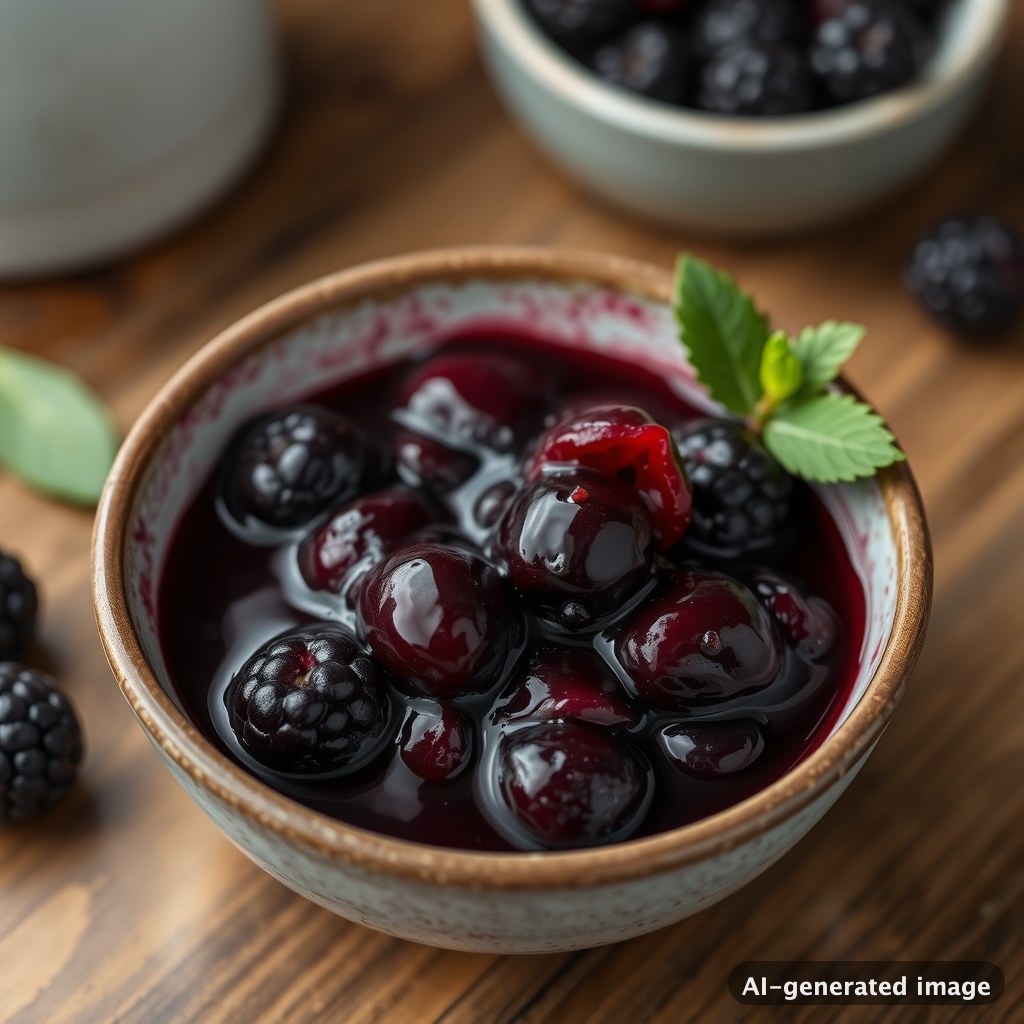
Canning preserves the flavors and nutrients of your harvest. When you preserve berries in syrup or juice, they also retain their shape and natural color. You can easily crush or puree the blackberries and boil them with sugar and a little pectin. Pour the hot mixture into sterilized jars, leaving a headspace of approximately 0.6 cm, and process them in a water bath to create a vacuum. This vacuum makes the sealed jars very long-lasting. If you preserve the fruit as jam or marmalade instead, the flavor becomes even more intense.
Syrup or jelly are excellent ways to use your harvest.
Something special
The blackberry is botanically speaking not a berry, but an aggregate drupe with prickles. If you crush the fruit between your teeth, you will find that each small part is actually its own tiny drupelet with its own pit. So, in essence, you are eating an entire ensemble of mini-fruits all at once. Furthermore, the plant proves to be a true marathon runner, because once you have planted it, it will remain faithful to you for many years. If you simply leave the old fruiting canes from last year standing after the harvest, your bush will become a five-star hotel for mushrooms, where the rooms are free and no one asks for ID. Therefore, you should cut back every cane that has already borne fruit to ground level after the harvest. Then your blackberry will bear plenty of them again next summer. One might almost expect that a marathon runner with aggregate drupelets is complicated to keep, isn't she?
Remember
You give her full light,
August to October is harvest time.
Companions in mixed culture
Empirical values from mixed-culture practice.
Good companions
Thyme
Thyme keeps Kirschessigfliege away. This protects Blackberry.
Keep good and bad neighbours in mind? You don't have to — GrowSimply combines them correctly when planning.
The Vegetable Guide is free — the sowing calendar and the recipes are free to use with an account, too. Behind GrowSimply are many years of development and high running costs. But we deliberately do without advertising. There is no tracking either. If the project helps you, support it now — so it stays this way.
The guide explains the craft. With GrowSimply you can apply it. You get a personal growing plan with suitable time windows for your location (with postcode-accurate weather data), can implement sustainable planning by following crop rotations, and even receive recommendations for good neighbours. So you don't forget anything, you always get to-dos at the right time. GrowSimply wants to be the only app you need – without ads and tracking.
How do you achieve the perfect red cabbage in your garden? Learn everything about the right care and how you can safely save your harvest until winter.
 Sellerina