Find out how to get your own aroma from the root with the right harvest time and the perfect location.
Sellerina4 min readUpdated on October 12, 2026
Thomas and Sellerina · Completed by the community
In short
The harvest of valerian takes place between July and September. The plant requires a sunny location for optimal development. A yield of about 100 g can be achieved per individual plant.
At a glance
curated data from the GrowSimply database
Germination temperature
8–20 °C
Growing time
approx. 4 months
Yield per plant
approx. 100 g
Planting distance
30 × 30 cm
Growing method
Direct sowing
Harvest window
July – September
You don't need to remember any of this, because GrowSimply creates your growing plan from these properties.
These are average values for Central Europe, from the GrowSimply database. Values differ depending on variety and location. You can change each property by hand — or the Assistant adapts the plant to your climate.
Videos open in a new tab at the respective provider. Their privacy policy applies there.
Location & Soil
Valerian needs a sunny to semi-shaded spot in your garden and moist, humus-rich soil without waterlogging. If you give it full sun, it will feel most comfortable. You should leave about thirty centimeters of space between it and its neighbors so that it can unfold its full splendor. Since valerian has deep roots, it needs a loose substrate in which its roots can grow downwards without hindrance. By ensuring that the water drains well, you prevent root rot, as the plant does not like wet feet. You will save yourself digging and reseeding every year, as it remains firmly in place as a perennial. With a final height of 150 cm, it forms a stately bush that takes up considerable space in the garden and may shade smaller neighbors.
Watering & Fertilizing
Valerian requires a medium amount of water and is a medium feeder that draws a moderate amount of nutrients from the soil. If you work compost into the earth in spring, you provide it with a solid base of nutrients. You save yourself constant top-dressing if you give it this basic supply. During a particularly long crop, you can help out one-time with nettle manure. If you fertilize too much, the valerian will grow very large but loses its typical shape and looks more like an unruly giant in the bed. It prefers to be modest rather than losing control due to excessive nutrients.
Harvest
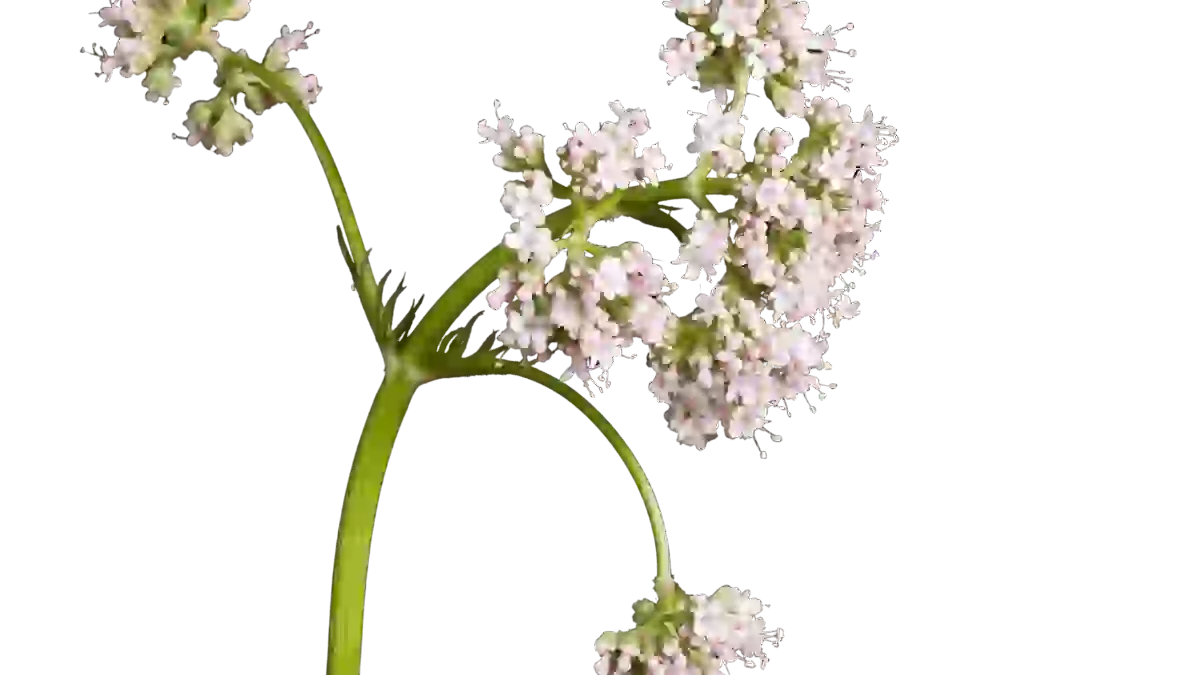
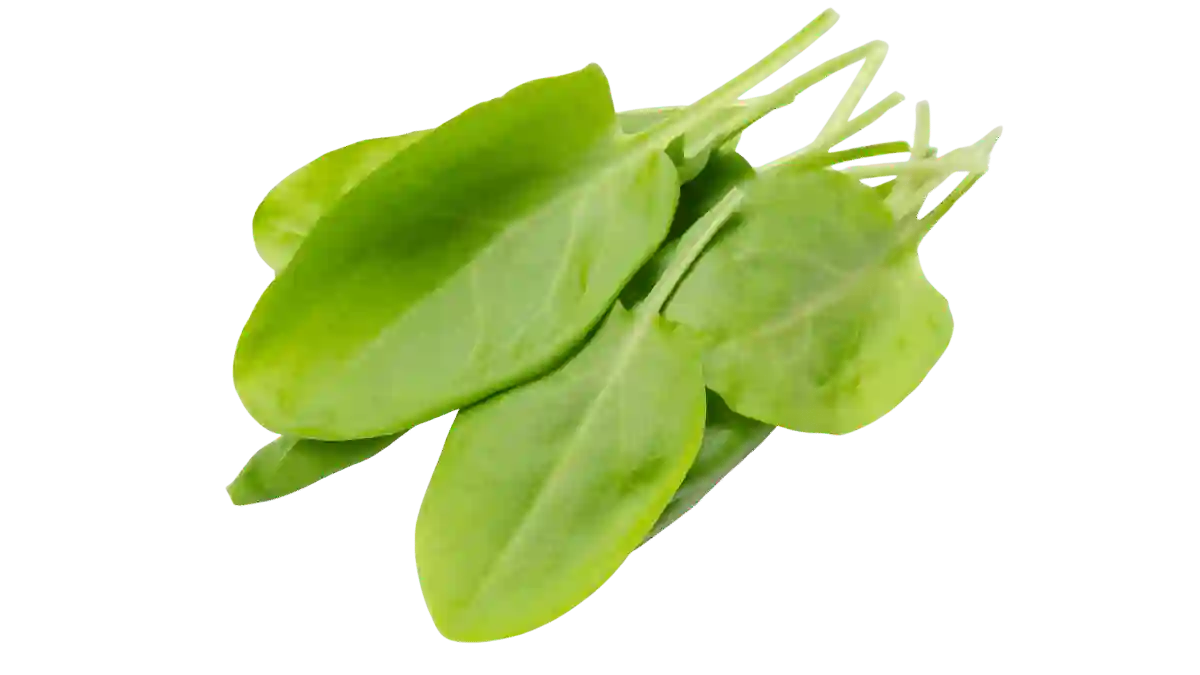
The best time to harvest valerian leaves is between July and September, while the plant has reached a height of 30 to 50 centimeters and does not yet have flower buds. If you choose this timing before flowering begins, the leaf stalks will be robust. You will then harvest exactly the scent that valerian is supposed to have. If you wait too long, the aroma will no longer suffice for months of tea, as it previously smelled of almost nothing. With a single plant, you can achieve a yield of about 100 g.
Frost & Protection
Valerian survives frost as a perennial crop without any problems, as long as you leave it in the bed. The plant is a true overwintering crop and does not need to be moved to a sheltered location. When temperatures drop to -20 °C, valerian reaches its safe cultivation limit in the open field. So you can just relax and leave it outside without it giving up at this frost threshold. However, if you offer it a little more protection, this limit shifts slightly lower. Under a film or in a tunnel, valerian withstands temperatures of up to -21 °C. If you house it in the greenhouse or cover it with fleece, it becomes even more cold-resistant and tolerates up to -23 °C. At this frost, the plant is like a little frostbite pro who just keeps going. You save yourself the tedious digging up in autumn if you leave it this space in the bed. If temperatures fall below these specific limits, it becomes critical for the roots and stems. Your valerian is therefore a robust type that only needs a blanket during extreme deep-sleep frost.
Seeds & Propagation
The best way to propagate valerian is by dividing the rootstock in spring, as this works much more reliably than sowing with seeds. If you divide a strong rootstock during the first year after planting and replant the pieces, you will save yourself from buying new seeds. The germination rate for sowing is only 60%. If you rely on seeds, you must also consider that they only retain their viability for three years. Seeds lose strength quickly when stored, which is why you should only use fresh material for your garden bed. Valerian takes four to six weeks to germinate at room temperature. The plant sees no reason to rush during this time and cannot be hurried.
Flavor & Use
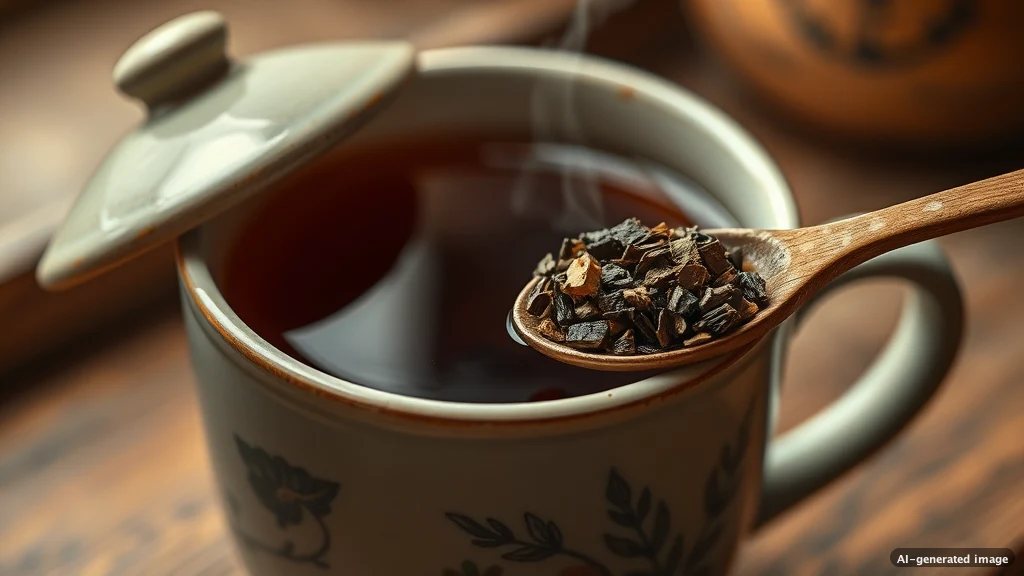
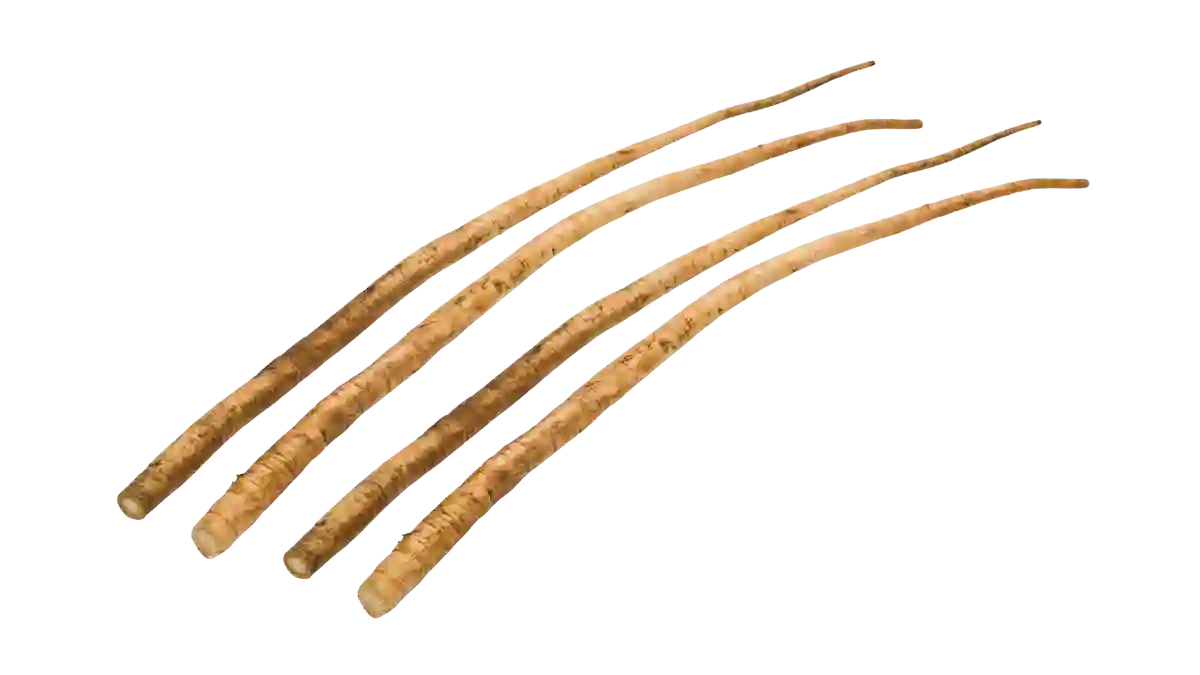
The dried valerian roots taste intensely earthy and have a slightly bitter as well as sweet note. If you use the roots for a tea, steep them in boiling water for ten to fifteen minutes. One teaspoon of the dried substance is enough to fill your cup. You must leave the lid on the cup during this time. When you prepare the roots this way, you get a drink with a very distinctive aroma. The scent of the dry roots is almost as present as an encounter in the deep forest floor.
You can find 5 recipes matching your harvest in the app.
You will have a supply for months if you dig up the valerian root only in the second year and then dry it slowly. If you lay the root out to dry after digging it up instead of simply throwing it away, you secure your own tea. The plant needs this second year to gather its full strength in the root. If you take a slow approach to the drying process, your supply will last for many months.
The Special
When growing valerian, you must primarily ensure sufficient spacing between your plants and only dig up the roots in their second year. If you plant them too densely, powdery mildew will settle on your leaves as a white coating. The fungus lacks its ideal climate if enough air circulates between the plants due to sufficient space. Aphids on the shoots disappear under a strong stream of water. The root remains in the soil during the first year because there is still work to be done below. It is only in the second year that the plant has fully developed its root system, and only then is digging it up worthwhile for you. The typical, pungent smell actually only develops during drying. If you dry the root slowly, certain substances in the root break down into an acid. This exact acid is what gives valerian its typical scent. You can consider lamb's lettuce as a distant relative of your valerian.
Remember
Give it sun in all its glory,
from July to September the yield is made.
The Vegetable Guide is free — the sowing calendar and the recipes are free to use with an account, too. Behind GrowSimply are many years of development and high running costs. But we deliberately do without advertising. There is no tracking either. If the project helps you, support it now — so it stays this way.
The guide explains the craft. With GrowSimply you can apply it. You get a personal growing plan with suitable time windows for your location (with postcode-accurate weather data), can implement sustainable planning by following crop rotations, and even receive recommendations for good neighbours. So you don't forget anything, you always get to-dos at the right time. GrowSimply wants to be the only app you need – without ads and tracking.
How do you achieve the perfect red cabbage in your garden? Learn everything about the right care and how you can safely save your harvest until winter.
How to successfully cultivate your arugula and harvest the full aroma. Learn everything about the ideal location and the right care for your vegetable.
 Sellerina