Growing chamomile: How to succeed with your harvest
With a crop duration of only four months, this fast-growing plant gives you an aroma that soothes your stomach.
Sellerina6 min readUpdated on September 24, 2026
Thomas and Sellerina · Completed by the community
In short
Chamomile is planted by direct sowing from March to April. The harvest takes place between May and September, with a total crop duration of four months. An average yield of 25 g can be achieved per plant.
At a glance
curated data from the GrowSimply database
Germination temperature
5–20 °C
Growing time
approx. 4 months
Yield per plant
approx. 25 g
Planting distance
20 × 30 cm
Growing method
Direct sowing
Harvest window
May – September
You don't need to remember any of this, because GrowSimply creates your growing plan from these properties.
These are average values for Central Europe, from the GrowSimply database. Values differ depending on variety and location. You can change each property by hand — or the Assistant adapts the plant to your climate.
Videos open in a new tab at the respective provider. Their privacy policy applies there.
Location & Soil
Chamomile needs a full sun spot in your garden so that it can unfold its full splendor. If the sun grants it many hours daily, then the typical bushy growth develops. Without this light availability, it remains more of a shy guest than a proud plant. Since its roots reach medium depth into the soil, you benefit from loose soil that makes it easier for it to settle in. If the substrate is too firm and compact, it will find no hold for its mediocre root system. With a final height of 40 cm, it also remains a rather modest guest among your larger neighbors. So you do not have to fear that it will steal your shade or suffocate other plants. If you grant it this sunny and loose spot, then it will give you its full energy.
Sowing & planting
Direct sowing
Direct-sowing option
You can sow chamomile either directly into the garden bed or start it indoors to transplant it later. If you choose direct sowing, the period from March to April is ideal. The seeds require a soil temperature between 5 and 20 °C to germinate. Once these conditions are met in the soil, it takes about 7 to 14 days for the first green heads to emerge from the earth. You can place the seeds on top of the soil on a windowsill starting in March. The seeds only need to be thinly covered with soil so that they do not dry out, and should be pressed down lightly. If you move the young plants into the garden bed in May, you should maintain a spacing of 20 cm within the row and 30 cm between rows. From May onwards, the plants need full sun in the garden bed to fully develop. Alternatively, you can also sow the seeds directly into the garden bed from early to mid-May. If you follow the spacing precisely, the chamomile will have enough space so as not to grow together like a messy group of neighbors.
The right time windows for your garden are already in your growing plan — you don't even have to do the math. They are derived from your location and climate.
Watering & Fertilizing
Chamomile only requires a moderate amount of water and can manage with very few nutrients. If you fertilize it too heavily, you will lose the flower harvest because instead it simply shoots up massively. Too much nitrogen acts like a turbo for the foliage, while the actual bloom is left behind. You save yourself expensive fertilizer on the shelf if you merely mix in some ripe compost into the soil when planting. The plant is a light feeder and prefers to draw its energy modestly from the soil. If you overfeed it with nutrients, you do more harm than good.
Harvest
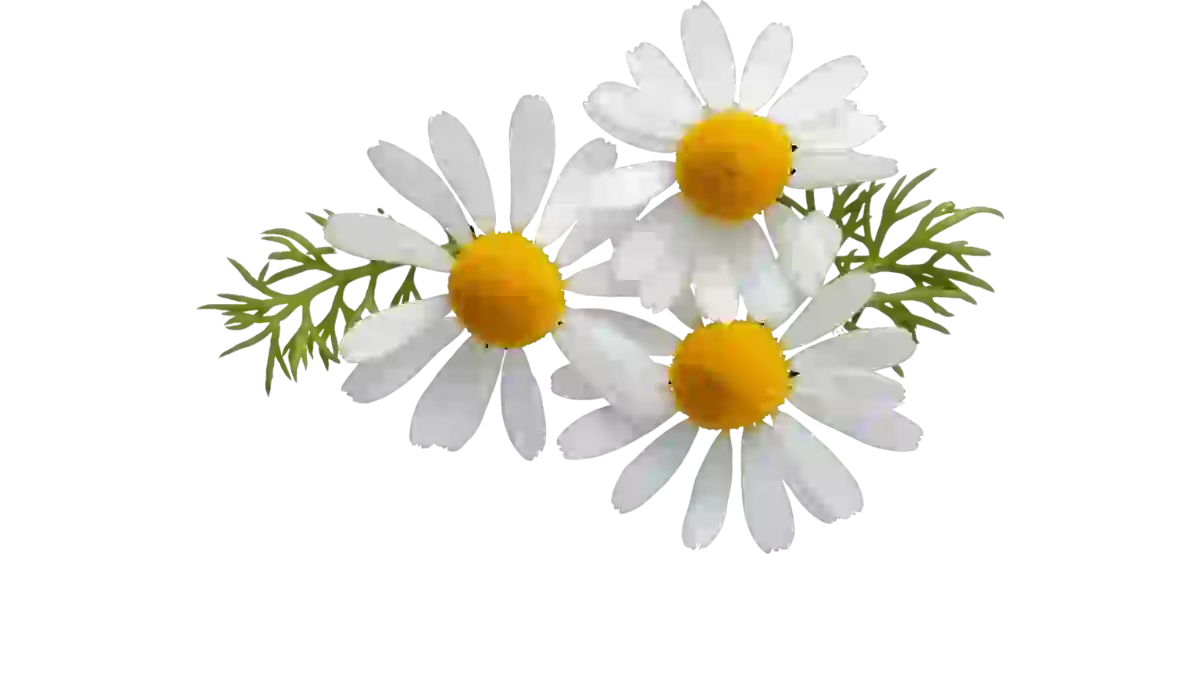
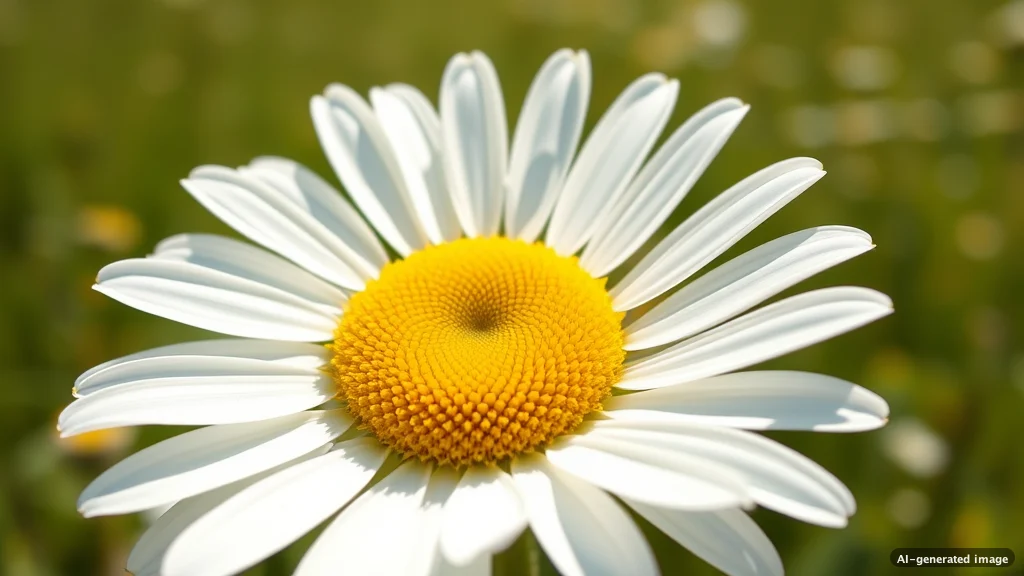
You can recognize the ideal ripeness for harvest in flower heads where the white ray florets stand wide and horizontal, and about two-thirds of the yellow center is open. When you pick these fully unfolded heads, you harvest the full aroma for your tea. The plant shows you its best moment as soon as the yellow center is vibrantly colored. You should use the harvest period from May to September to collect your chamomile. If you pick it at midday and spread it out thinly within two hours, you will optimally dry the precious oil in the flower. If the flowers lie unprotected for longer than two hours, this essential oil already changes. Then you will end up with nothing but hot water with flowers in it instead of a real chamomile tea. You can start your first harvest about two months after planting in the bed. If you use this phase, you can harvest continuously over a period of two months. Each individual plant provides an average yield of 25 g. The chamomile is a quick worker, as its entire crop duration is only four months.
Frost & Protection
Chamomile tolerates frost up to a safe cultivation limit of -8 °C in the open field. If temperatures fall below this value, you risk your harvest because the plant loses its vitality during prolonged cold. However, you can protect it to allow it a slightly tougher life. Under film or in a tunnel, you keep it alive down to -9 °C. If you place it in a greenhouse or under fleece, you even protect it from freezing up to a limit of -11 °C. Although chamomile is a tough fellow, its entire body becomes as stiff as a frozen pea during frost. By using protective measures, you ensure a more stable plant and avoid the total loss of your sowing due to sudden cold snaps.
crop rotation
You must give the chamomile a planting break of two years before it can be planted in the same spot again. If you sow the plant in the same place too many times in a row, its relatives from the aster family will drain all its strength and nutrients. Chamomile is a light feeder, which means it draws only little nourishment from the soil. If you observe this two-year planting break, your soil will remain healthy and balanced for your next harvest. It is best to plan with three separate sub-areas so that you can achieve continuous cultivation without interruption. Otherwise, your garden bed will become a place where the asters simply deplete each other's supplies.
Seeds & Propagation
You win the chamomile seed by letting the flower heads on the plant fully ripen and dry. If you collect the ripe seeds on a dry day, you ensure a good harvest for your next year. The germination capacity of the seed lasts for two years if stored well. You will get a germination rate of 80 %. When you sow the seed, you do not need to press the soil down with your hand, because chamomile is a light germinator. This means that the seeds must see light in order to know they can germinate. At temperatures between fifteen and twenty degrees, they germinate in one to two weeks. If you leave a few heads standing in autumn, they will self-sow again. So you actually only buy the seed once, as chamomile is a little self-perpetuator that usually finds its place in the bed all by itself.
Flavor & Use
Chamomile tastes mild and floral with a subtle note of apple. If you use the flowers as tea, you get an aroma that reminds you of a summer orchard. One teaspoon of the dried flowers is enough for one cup. You should definitely put a lid on your cup, because if you let the steam escape, the essential oil simply evaporates into the air. Without this oil, when drinking, you only get the taste, but not the support for your stomach. If you use fresh flowers, you can mix them directly into syrup or into your pastries.
You can find 1 recipe matching your harvest in the app.
Your entire tea for the winter depends on two hours after picking. If you harvest chamomile from July to November and dry it in time, you will have tea for a whole year that soothes your stomach. The mistake happens immediately after harvesting. If the full basket is left standing, the oil in the flowers changes after just two hours. Once the oil softens, your tea no longer soothes your stomach. That's why you lay the heads flat on a cloth immediately. The flowers need a dark and dry place at twenty-one to twenty-seven degrees. After about two weeks, they are ready for storage. Then from July to November, your own tea will be in the jar and it will soothe your stomach for a whole year.
The Special Thing
You can recognize true chamomile by its hollow interior and the right time for harvesting. If you cut a flower head in half, the plant will immediately reveal its identity. The receptacle of German chamomile is hollow inside, while scentless chamomile has a solid base. This confusion is tricky, because the wrong chamomile contains hardly any oil. If you harvest without this precious oil, it will not soothe your stomach or relieve cramps. So you must look closely so that your tea doesn't just taste like flowers, but also works. You can find the highest concentration of oil in the blossoms at midday on a dry and sunny day. If you harvest at this time, you benefit from the maximum effect for your stomach.
Remember
Direct sowing in March or April brings you a lot,
Harvest from May to September is your goal.
Companions in mixed culture
Empirical values from mixed-culture practice.
Good companions
Pole bean
Pole bean collects nitrogen in the soil. This way, Chamomile grows better.
Broad bean
Broad bean collects nitrogen in the soil. This way, Chamomile grows better.
Bush bean
Bush bean collects nitrogen in the soil. This way, Chamomile grows better.
Poor companions
Fennel bulb
Fennel bulb releases substances into the soil. This slows growth. Plant Fennel bulb further away.
Keep good and bad neighbours in mind? You don't have to — GrowSimply combines them correctly when planning.
The Vegetable Guide is free — the sowing calendar and the recipes are free to use with an account, too. Behind GrowSimply are many years of development and high running costs. But we deliberately do without advertising. There is no tracking either. If the project helps you, support it now — so it stays this way.
The guide explains the craft. With GrowSimply you can apply it. You get a personal growing plan with suitable time windows for your location (with postcode-accurate weather data), can implement sustainable planning by following crop rotations, and even receive recommendations for good neighbours. So you don't forget anything, you always get to-dos at the right time. GrowSimply wants to be the only app you need – without ads and tracking.
How do you achieve the perfect red cabbage in your garden? Learn everything about the right care and how you can safely save your harvest until winter.
How to successfully cultivate your arugula and harvest the full aroma. Learn everything about the ideal location and the right care for your vegetable.
 Sellerina