French sorrel: How to succeed in a harvest full of acidity
If you know how to time it right, this tangy perennial will gift you a harvest that tastes like summer.
Sellerina5 min readUpdated on October 5, 2026
Thomas and Sellerina · Completed by the community
In short
French sorrel is harvested between April and October. You can achieve an average yield of 150 g per plant.
At a glance
curated data from the GrowSimply database
Germination temperature
5–20 °C
Growing time
approx. 4 months
Yield per plant
approx. 150 g
Planting distance
30 × 30 cm
Growing method
Pre-growing
Harvest window
April – October
You don't need to remember any of this, because GrowSimply creates your growing plan from these properties.
These are average values for Central Europe, from the GrowSimply database. Values differ depending on variety and location. You can change each property by hand — or the Assistant adapts the plant to your climate.
Videos open in a new tab at the respective provider. Their privacy policy applies there.
Location & Soil
French sorrel loves sunny spots and also does well in partial shade. If you give it full sun, it will be able to fully develop its energy. Since the plant grows as a rosette and reaches a height of 60 cm, you should leave it enough space so that it doesn't shade anyone.
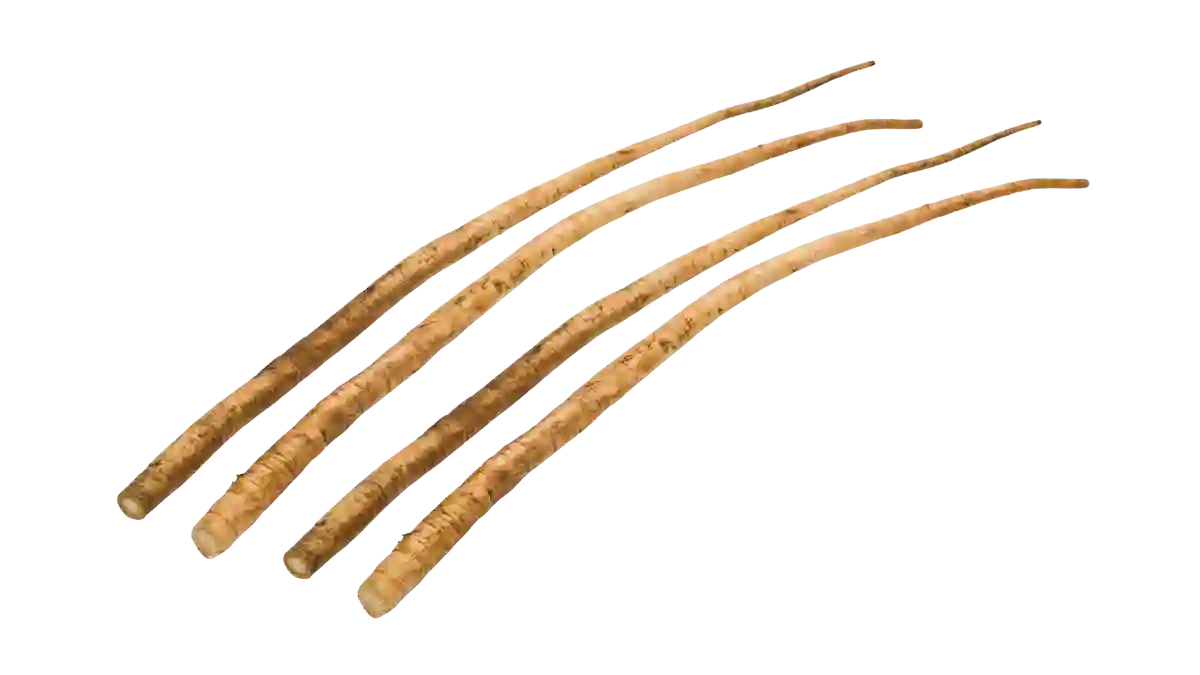
You don't necessarily have to reserve an entire bed for it. If you use a very deep container, it will feel comfortable there because its roots strive very deep into the soil. Since sorrel is a perennial, it stays permanently in its place and doesn't just pull out. You will therefore save yourself the tedious sowing or planting every year if you have given it a good location once. If the soil is loose and deep, the plant can send its roots downwards without hindrance. Otherwise, it will behave more like an impatient guest in your garden that is constantly looking for more space.
Watering & Fertilizing
French sorrel does very well with a medium water requirement and a moderate amount of nutrients. If you incorporate compost into the soil in spring, you provide it with an ideal start. It is a medium feeder, which means that while it draws nourishment from the soil, it does not demand excessive amounts of fertilizer. If you are planning a long crop, you can help out one-time with nettle manure. The plant does not need this support constantly like a greedy guest at a buffet, but rather enjoys the attention subtly. If you feed it too much, it will grow large, but might forget its flavor.
Harvest
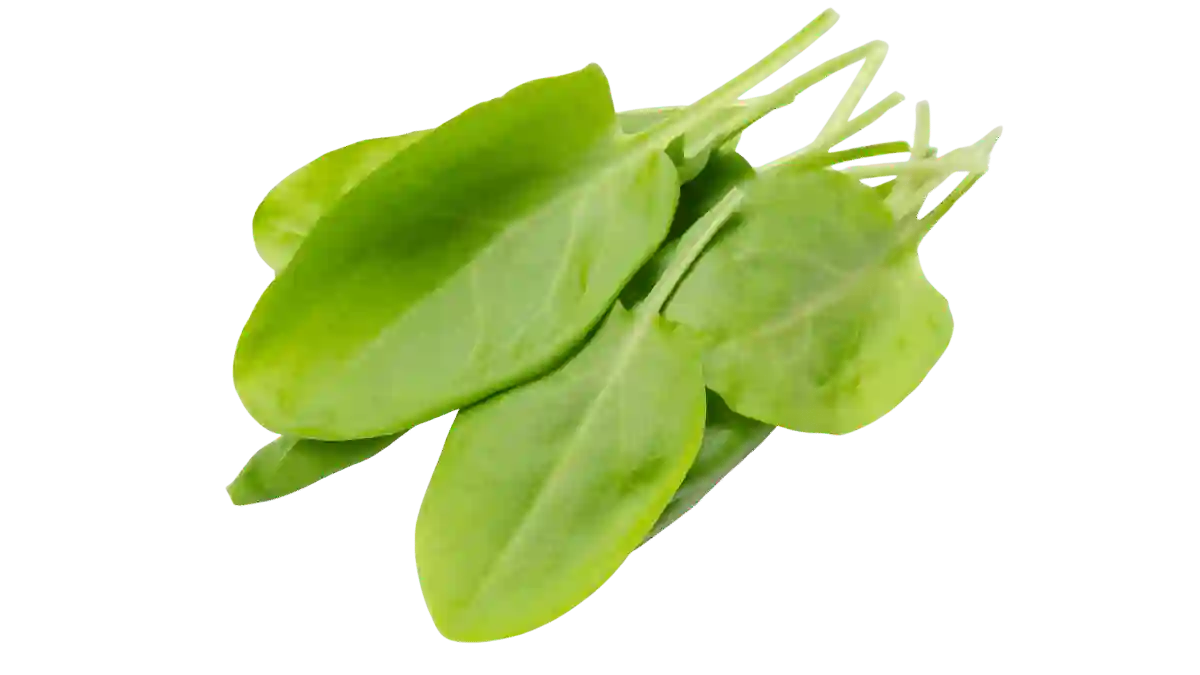
You harvest the Great sorrel best between April and October, with the ideal time for the leaves being in June. If you treat yourself to its first young leaves as early as May, you have an early harvest ahead of you. The main harvest then runs from July to September. You can recognize the perfect moment by the size and number of leaves: A leaf is Ready to harvest when it is about ten centimeters long and the plant already has at least five strong leaves. If you harvest the leaves from June onwards, while they are dark green, they will taste wonderful to you.
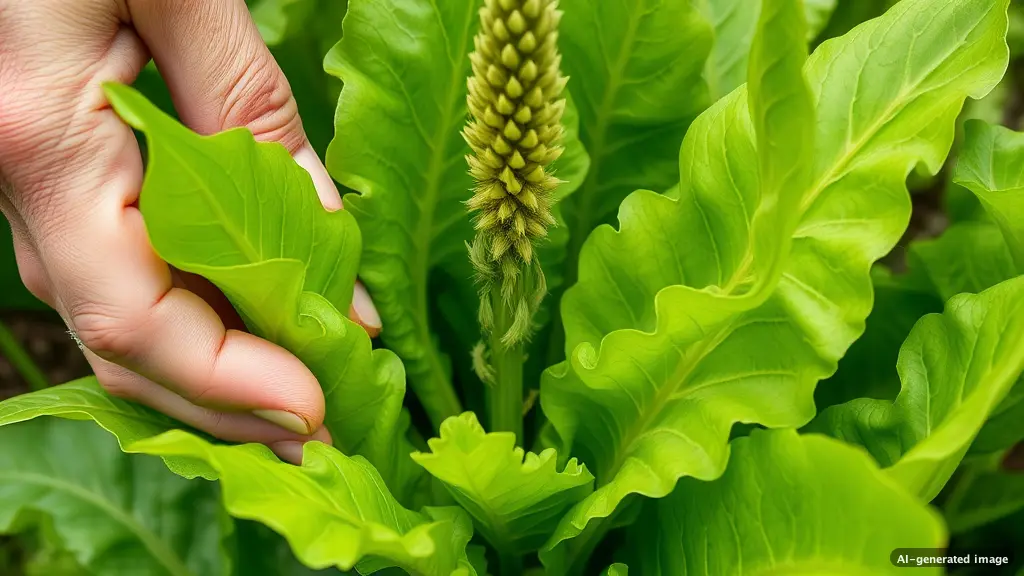
However, as soon as the plant begins to bloom, the aroma becomes unpleasant. If you cut before flowering, you prevent the leaves from becoming bitter. From the end of June, the texture changes, because then the leaf becomes tough and significantly more sour. You harvest about 150 g yield per plant if you treat it correctly. If you simply leave reddish-colored leaves standing, you benefit from their special acid content. It is almost as if the plant were putting all its energy into a small, sour bomb.
Frost & Protection
French sorrel easily survives frost as an overwintering crop in the bed. When temperatures drop to -20 °C, your plant reaches its safe outdoor cultivation limit. So you can just leave it outside quite relaxed. If you keep it under foil or in a tunnel, this limit shifts to -21 °C. A greenhouse or protection from fleece even gives the plant even more security at temperatures up to -23 °C. You save yourself the tedious digging up in autumn if you simply leave it in the bed. When the cold becomes extreme, the sorrel just sleeps deeply for a while. It is a real frost-hardy one that doesn't give up at the first breath of wind.
Seeds & Propagation
The best way to propagate sorrel is via a strong rootstock in spring. If you divide parts of the rootstock in spring and replant them, you will get a new plant. You save yourself this step if you choose division, because propagation from seed starts on the windowsill with a very long journey. However, if you let the sorrel go to seed, you will soon find the plant all over the garden. When it self-sows, its root acts like an anchor that reaches up to one and a half meters deep into the soil and is hard to pull out again. You will get uncontrolled spreading if you allow seed formation. With good storage, the seed viability is 4 years. If you use the seeds, the germination rate is 75%.
Flavor & Use
French sorrel tastes fresh and tangy like a leaf with a squeeze of lemon in it. When you use it in the kitchen, you benefit from its distinctive note. In Frankfurt, it is one of the seven essential herbs for Green Sauce. You can serve it steamed like spinach with fish or an omelet. If you steam and puree it in butter, it is said to taste strongest. Since the plant contains oxalic acid, you should enjoy it only in moderation.
Preserve
You preserve the fresh acidity of your large sorrel in winter by freezing it into water-ice cubes on your plate. If you simply put the last leaves dry into the freezer, you will only get hay out of there in winter. You only get the full flavor if you freeze the chopped leaves in water. Then you will still taste them fresh and sour six months later. If you choose this method, you will have real summer in winter after half a year instead of just a mere hay memory on your plate.
The special thing
You only reap the full power of sorrel if you process it fresh and remove its flower stalks early. The fresh acidity is located in the plant's cell sap. If you dry or freeze the leaf, it loses exactly this flavor and additionally its structure. You must pluck out the flower stalks as soon as they appear, because if you let the sorrel bloom, the perennial will no longer produce fresh, mild leaves. Furthermore, the plant packs a decent portion of oxalic acid into its leaves, which is reminiscent of a chemistry lab but is completely harmless. If you eat one hundred grams of the leaves, you consume around five hundred milligrams of this acid, which is also found in rhubarb. Even the Egyptians, Greeks, and Romans used sorrel at their feasts against an excess of fatty foods. For them, it was like espresso after a feast, just in green. As a perennial, your sorrel will sprout again all by itself from the rootstock every spring. But that won't last forever: once the plant has grown for four years, you must sow anew.
Remember
Harvest from April to October in full light,
150 g per plant, if you don't break the bloom.
The Vegetable Guide is free — the sowing calendar and the recipes are free to use with an account, too. Behind GrowSimply are many years of development and high running costs. But we deliberately do without advertising. There is no tracking either. If the project helps you, support it now — so it stays this way.
The guide explains the craft. With GrowSimply you can apply it. You get a personal growing plan with suitable time windows for your location (with postcode-accurate weather data), can implement sustainable planning by following crop rotations, and even receive recommendations for good neighbours. So you don't forget anything, you always get to-dos at the right time. GrowSimply wants to be the only app you need – without ads and tracking.
How do you achieve the perfect red cabbage in your garden? Learn everything about the right care and how you can safely save your harvest until winter.
How to successfully cultivate your arugula and harvest the full aroma. Learn everything about the ideal location and the right care for your vegetable.
 Sellerina