Topic: Garden Know-How
Location for your vegetable bed: assessing sun and soil correctly
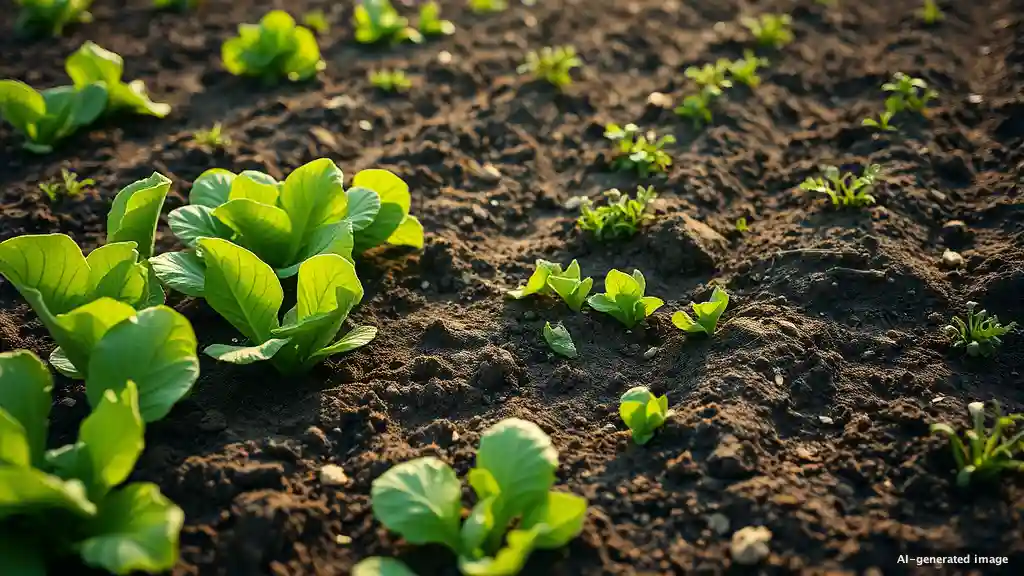
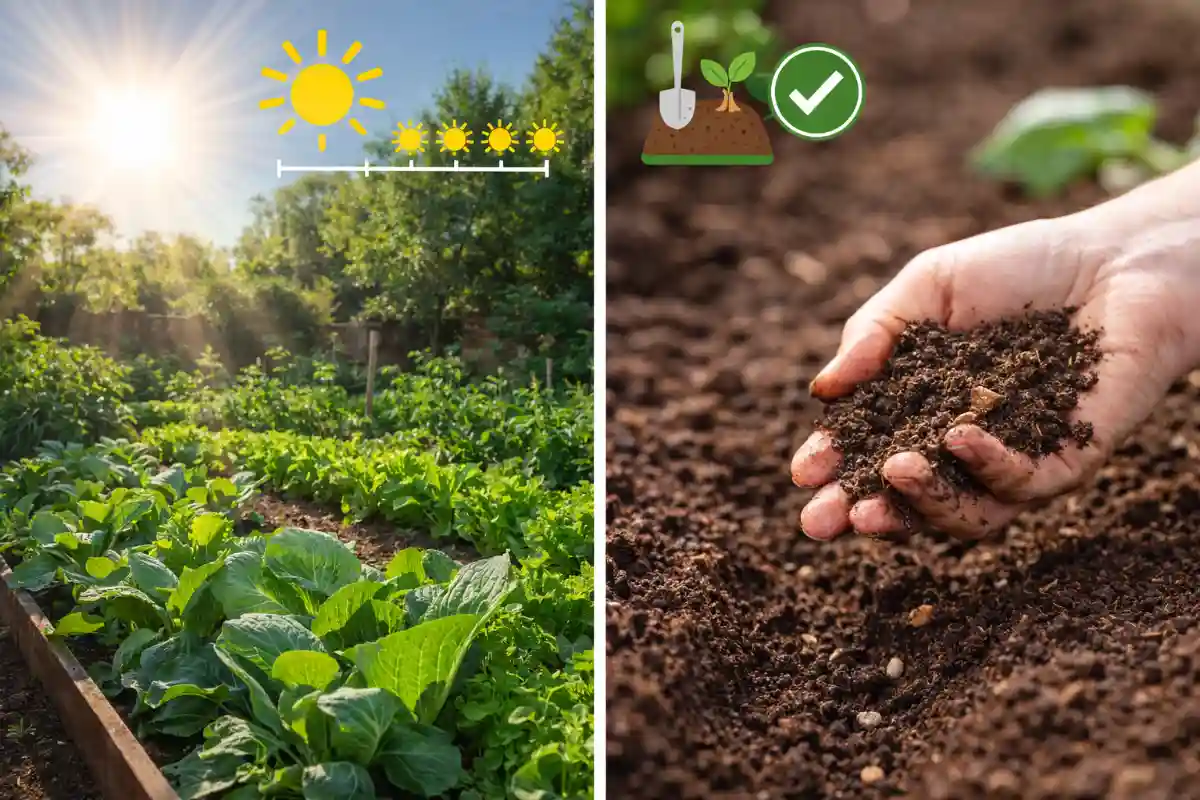
Not every location is equally suitable. Make sure the growing area gets enough sunlight, because most plants need at least 5 hours of sun per day. Soil quality is also crucial – loose, healthy, nutrient-rich soil promotes growth.
 Thomas
In short
A good location for your vegetable bed gets at least five hours of sun a day. Most vegetables want full sun; only a few cope with partial shade. Ideal is a loose soil rich in humus with a pH value between 6.0 and 7.0. You improve sandy and loamy soils with compost and organic material.
We want healthy plants and abundant harvests!
Plenty of sun - that was easy; now let’s look at the soil!
Of course there are plants that like more or less sun - less is the exception here.
Living Soil
Promoting healthy plant growth and ensuring an abundant harvest depend largely on the activity of soil life. The term Living Soil stands for the central importance of soil life for maintaining and promoting a diverse and high-yield plant world.
A sustainable growing plan that considers crop rotations, planting breaks, companion planting, the right timing, and annual rotation plays a crucial role in promoting and maintaining a living soil.
What else can we do for healthy, high-yield plants?
1. Determine existing soil type
Not every soil is the same. This is how you recognize the soil type and optimize it for vegetable growing.
Sandy soil: Light and well-draining, but poor in nutrients and moisture. Tip: Add compost and clay minerals to improve water and nutrient retention.
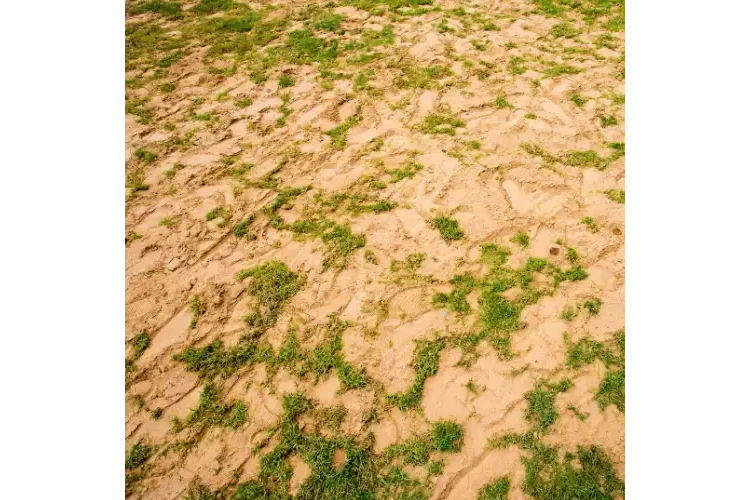
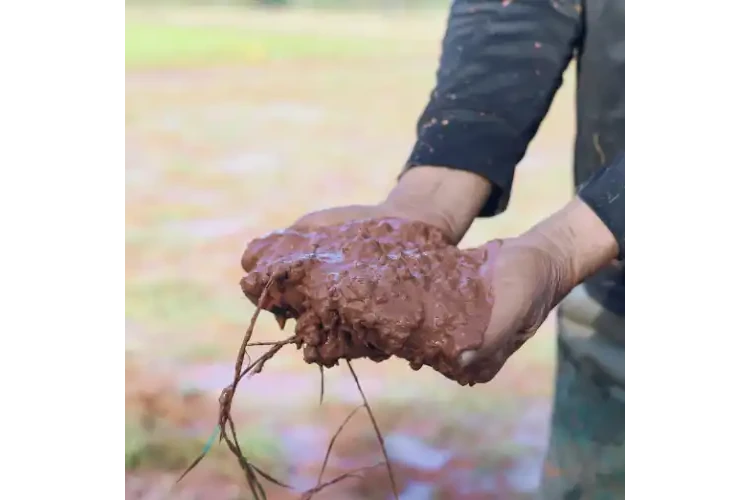
Loamy soil: Heavy, but rich in nutrients. However, it tends to waterlogging. Tip: Loosen the soil with sand or organic material.
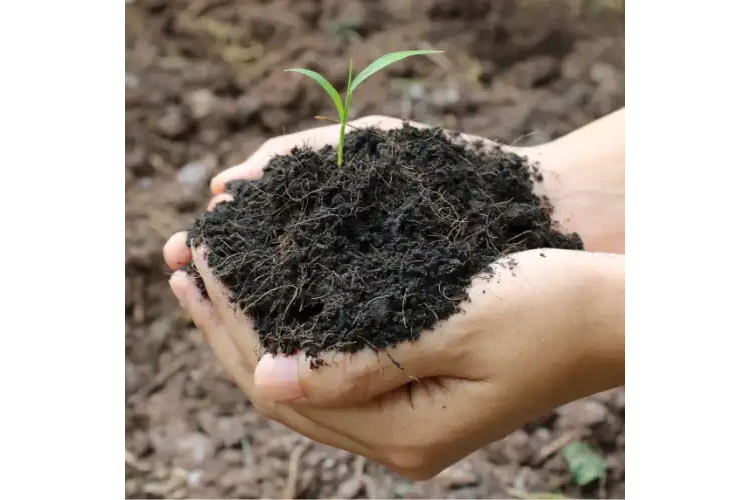
Humus soil: Ideal for vegetable growing because it is rich in nutrients and well-draining. Tip: Keep it moist and fertile with regular mulching and compost applications.
1.1 Determine the soil type yourself
When creating new growing areas, you determine the soil type yourself.
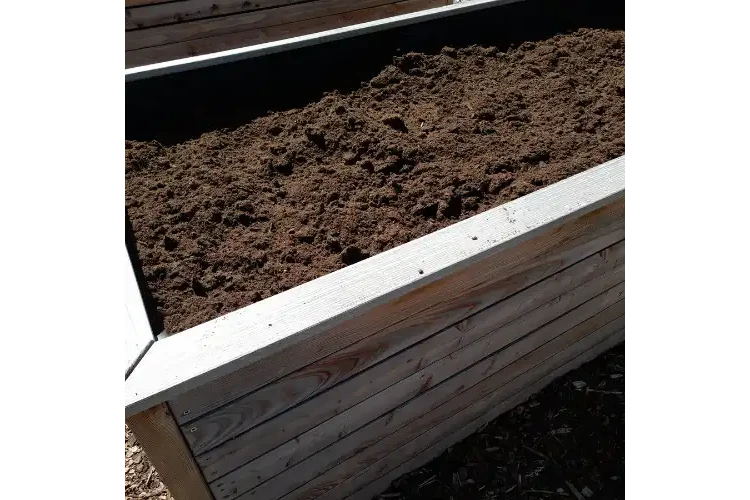
Fill raised beds: First layer: coarse material like branches, twigs, or wood chips. It ensures good drainage. Second layer: coarse compost, grass clippings, or leaves to attract soil organisms. Third layer: mature compost or nutrient-rich garden soil to finish.
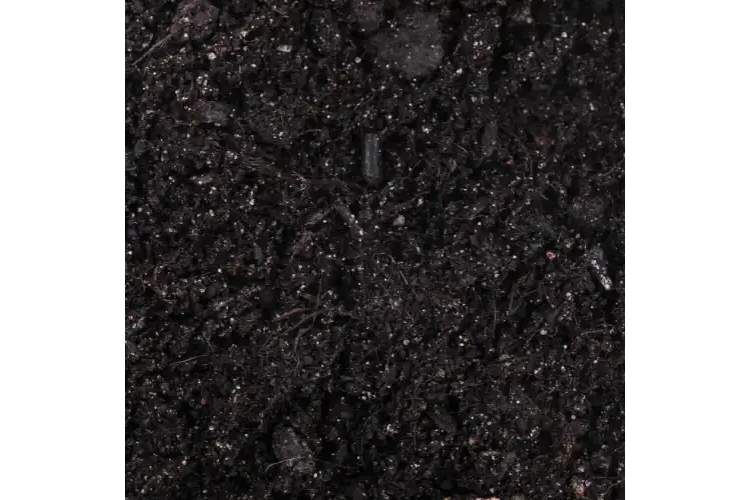
Terra Preta, also called “black soil”, is a nutrient-rich soil made from organic waste, charcoal, and effective microorganisms. You can buy Terra Preta ready-made or make it yourself. Making it is labor-intensive and the finished product is one of the more expensive options. But it is also the soil best suited for plants.
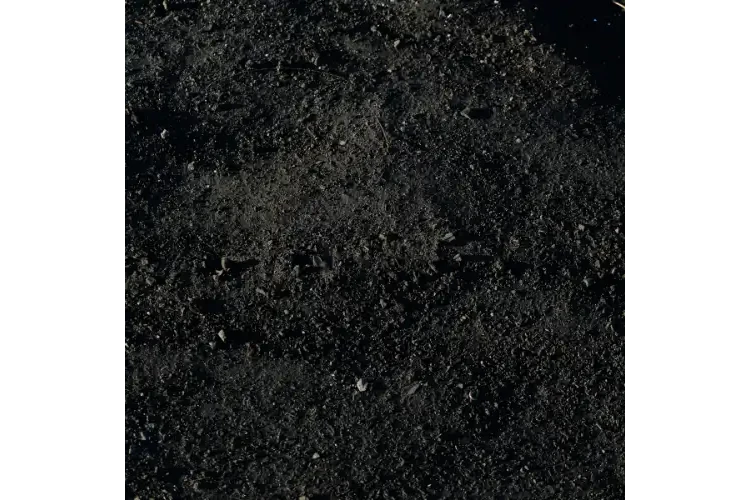
Compost is inexpensive and generally germ-free. A compost bed is a simple and cost-effective way to create a nutrient-rich growing area. Compost can also be made very easily by piling plant material in layers and turning it once or twice a year.
2. Check and adjust pH value
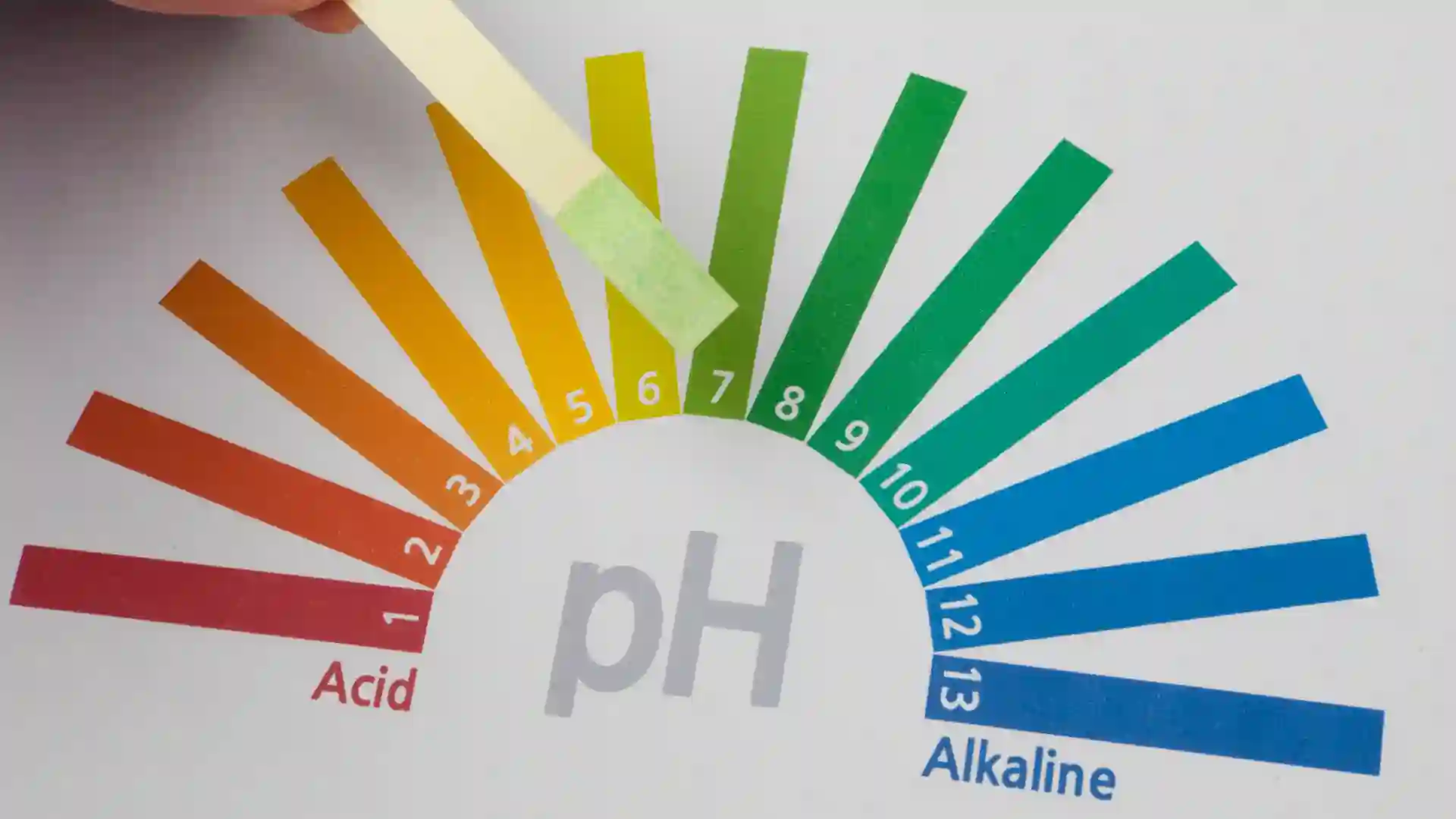
Soil pH affects nutrient uptake of your plants: Neutral pH (6.0–7.0) is ideal for most vegetable varieties. Tip: Test the pH with a soil test kit and adjust it if needed: Too acidic (pH < 6): Add lime. Too alkaline (pH > 7): Work in acidic organic matter such as needles or bark humus.
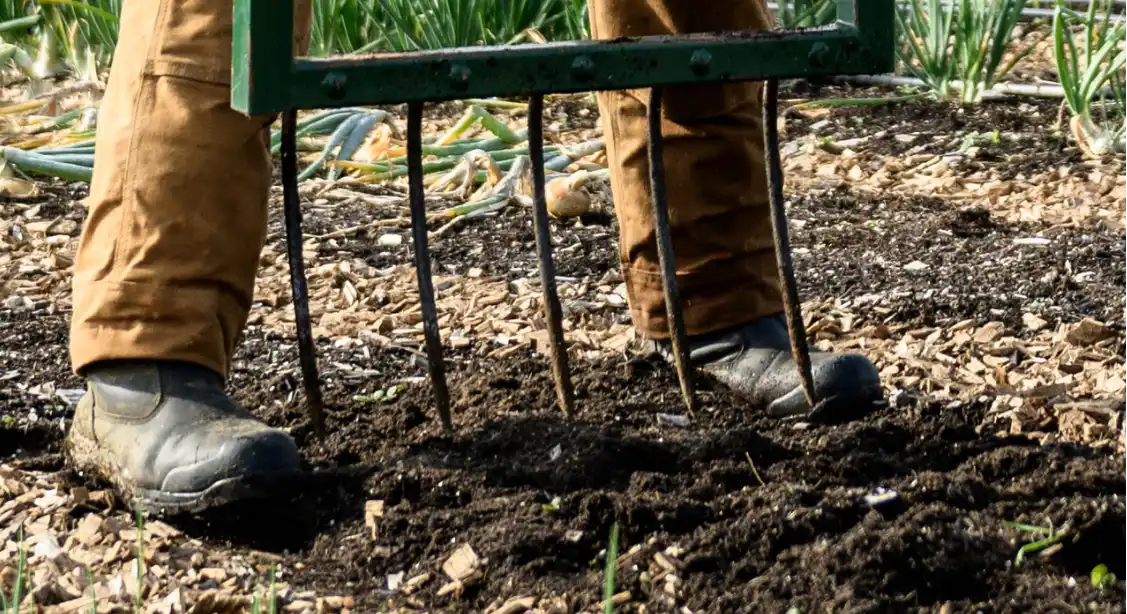
3. Loosen and aerate the soil properly
Compacted soil prevents roots from growing and stops water uptake.
Wrong tool - A digging fork turns the soil over.
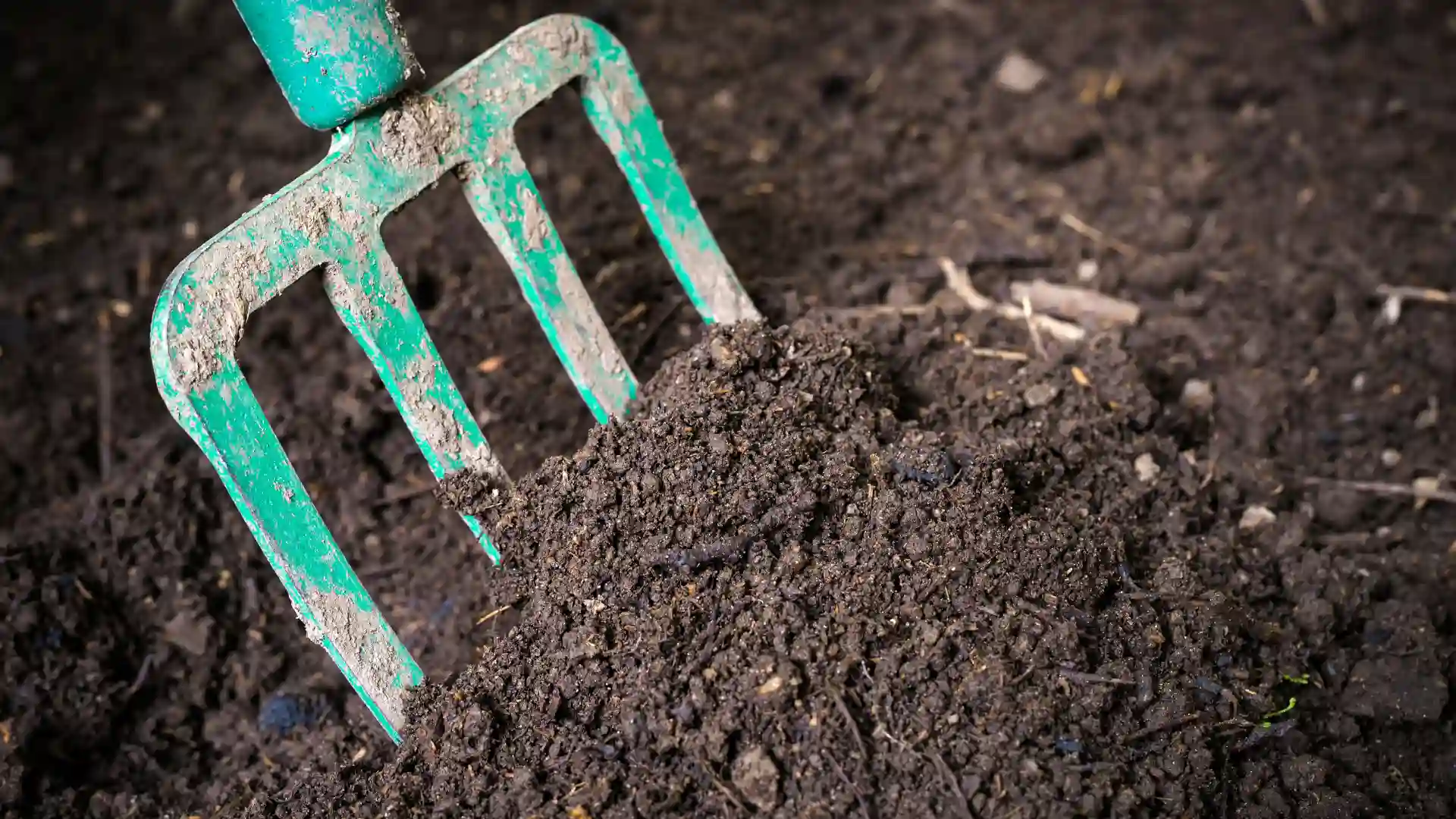
Right tool - A broadfork loosens the soil.
4. Care for your microorganisms
Deeply misunderstood beings - or at least totally underestimated.
Soil microorganisms
Soil microorganisms are tiny but extremely important living beings that significantly influence the health and fertility of soils. Although they are not visible to the naked eye, they perform a wide range of tasks that keep the soil alive and fertile.
What are microorganisms?
Bacteria - They are the most numerous soil inhabitants and break down organic material into vital nutrients such as nitrogen, phosphorus and potassium. Fungi - They form extensive networks that supply plant roots with water and nutrients. Mycorrhizal fungi, which live in symbiosis with plants, are particularly important. Actinomycetes - These bacteria are responsible for breaking down complex organic substances such as cellulose and give soil its characteristic “earthy” smell. Protozoa and nematodes - They control bacterial populations and contribute to nutrient distribution.
Why are microorganisms important?
Nutrient cycle: Microorganisms break down organic material into plant-available nutrients and thus contribute to natural fertilization. Improving soil structure: Through their activity, they form stable soil aggregates that improve soil structure and increase water storage capacity. Disease defense: Some microorganisms act as natural opponents of pathogens and protect plants from pests and diseases. Symbiosis with plants: Mycorrhizal fungi and nitrogen-fixing bacteria (e.g. rhizobia) form symbioses with plants and significantly improve their nutrient supply.

Good tips for your soil life
Avoid using pesticides and herbicides
Chemical plant protection products not only destroy pests but also beneficial microorganisms and cause lasting damage to groundwater.
Feed them with organic substances
You can fertilize the soil with compost and manure and cover it with plant residues and other mulch. This provides food for soil microorganisms and increases their activity.
Work the soil gently
Avoid deep digging, as this disturbs soil life. Use the right tool to loosen the soil. Use mulch; this also attracts earthworms.
Use of effective microorganisms (EM)
Simply add the usually liquid product to your watering water. The companion plantings of beneficial bacteria and fungi build up the soil in a targeted way and improve nutrient supply.
Which vegetables grow in partial shade?
Most vegetables need full sun. Partial shade means: the area only gets direct sun for part of the day, for example only in the morning or only in the afternoon.
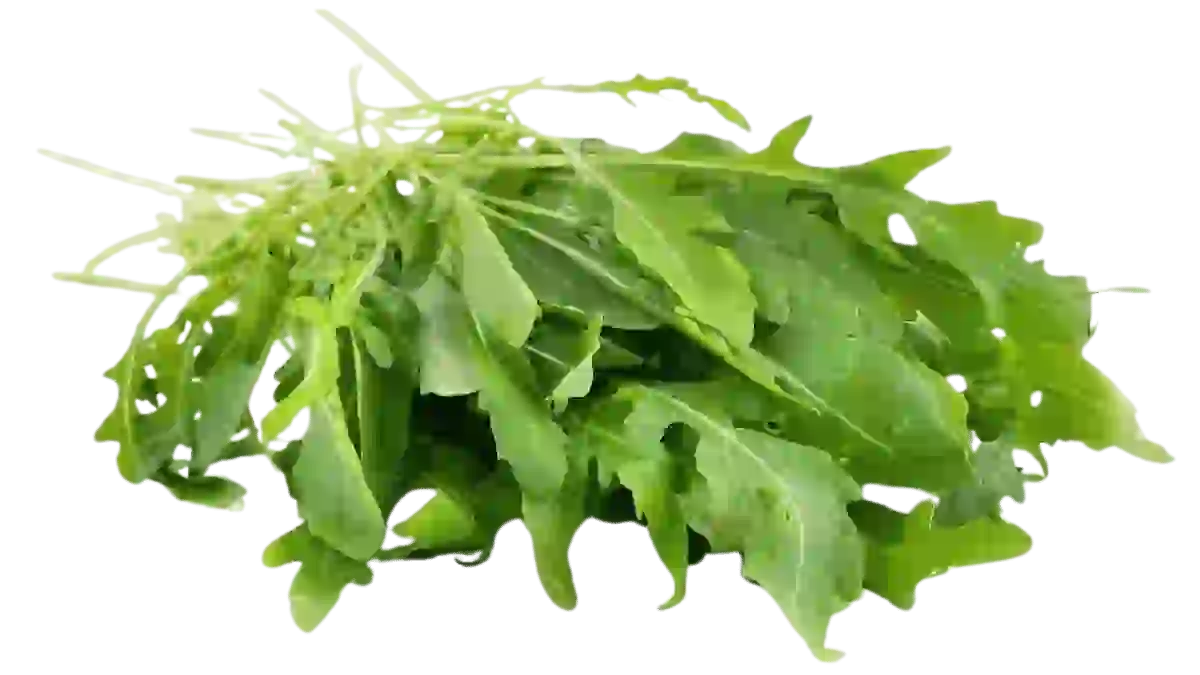
According to the GrowSimply plant database, these vegetables also cope with partial shade: Arugula, Asian greens, Garden cress, Ginger, Lamb's lettuce, Winter purslane
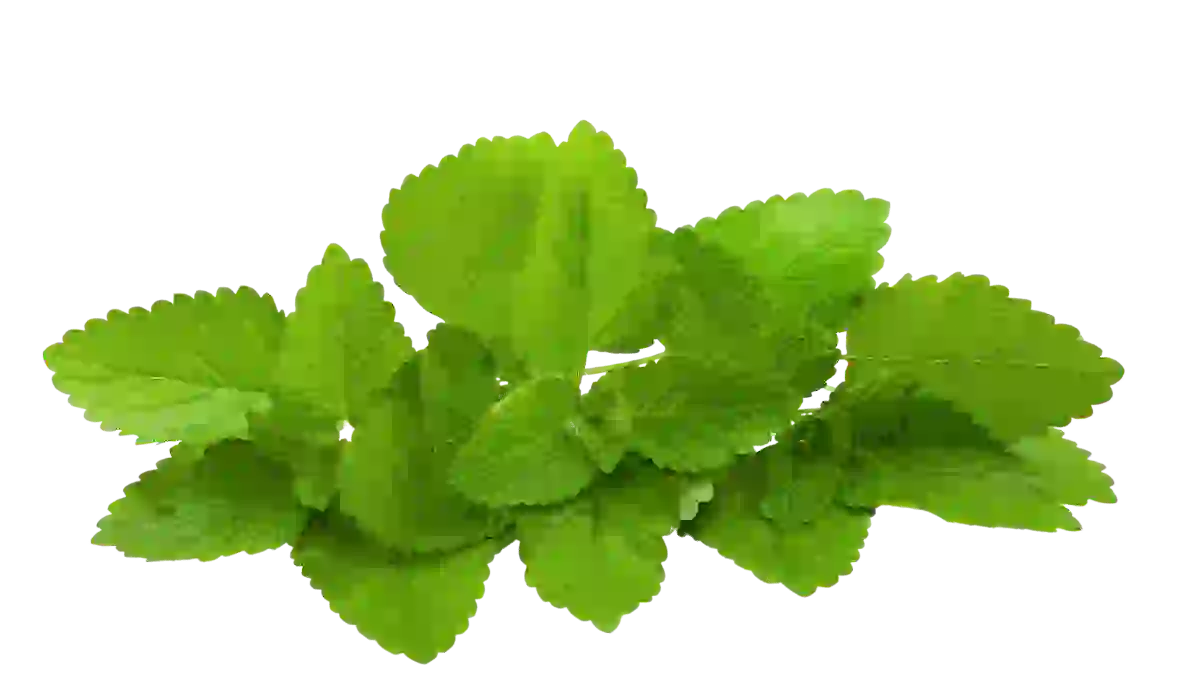
Among the herbs, they are: Cardamom, Chervil, Lady's mantle, Lemon balm, Lovage, Meadowsweet, Parsley, Peppermint, Turmeric, Wild garlic
Frequently asked questions about the location
How many hours of sun does a vegetable bed need?
Most vegetables need at least five hours of direct sun a day, fruiting vegetables such as tomatoes, sweet peppers and cucumbers rather more. Watch your area on a sunny day and note when it gets sun and when it is in shade.
How do I find out what soil I have?
Take a handful of moist soil and roll it between your hands. Sandy soil crumbles apart and cannot be shaped. Loamy soil feels smooth and sticky and can be rolled into a sausage. Soil rich in humus is dark and crumbly. A laboratory soil analysis gives you certainty; it also shows the pH value and nutrients.
Which vegetables grow in the shade?
Hardly any vegetables grow well in full shade. With too little light, leafy vegetables also build up more nitrate. Use shady corners for herbs such as parsley, chervil or mint, which cope with partial shade.
Do I have to dig over my garden soil?
No. Deep digging disturbs the soil life. Instead, loosen the soil with a broadfork without turning it, and cover it with mulch.
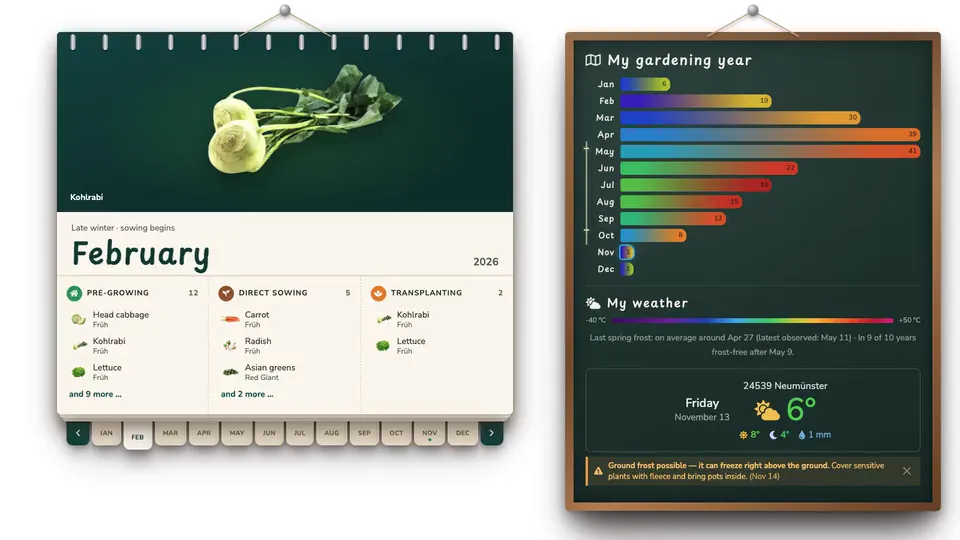
No mental checklists needed — GrowSimply puts the right steps on your to-do list at the right time.
Part of the guide Create your own vegetable growing plan – all 8 stepsThe Vegetable Guide is free — the sowing calendar and the recipes are free to use with an account, too. Behind GrowSimply are many years of development and high running costs. But we deliberately do without advertising. There is no tracking either. If the project helps you, support it now — so it stays this way.
Simple and 100% right. With GrowSimply!
The guide explains the craft. With GrowSimply you can apply it. You get a personal growing plan with suitable time windows for your location (with postcode-accurate weather data), can implement sustainable planning by following crop rotations, and even receive recommendations for good neighbours. So you don't forget anything, you always get to-dos at the right time. GrowSimply wants to be the only app you need – without ads and tracking.