Topic: Garden Know-How
Sowing calendar 2026: when you sow which vegetable
Your guiding thread through the garden year (and why digital is so much more relaxed). A sowing calendar is like a good “cheat sheet” for the vegetable garden: It tells you when to use pre-growing (indoors), sow directly (into the bed), or transplant – so seeds turn into a harvest.
 Thomas
In short
A sowing calendar shows you for every vegetable when to pre-grow it, sow it directly into the bed or plant it out. Warmth-loving plants like tomato and cucumber are pre-grown under protection and only go outdoors after the Ice Saints in mid-May. Hardy crops are sown directly into the bed. You adapt the timing to your region and your microclimate.
The digital sowing calendar 2026: up to date every year, no need to buy a new one
Many gardeners buy a new sowing calendar every year – as a red thread through the garden year. There is an easier way.
With a free account as a garden helper, you use the GrowSimply sowing calendar 2026 at no cost, and it is always up to date. You always have it at hand on your phone, tablet or computer and don’t have to buy a new one every year. That saves you around €30 a year.
What is a sowing calendar – and what do you really need it for?
A sowing calendar is your “time window plan”: It shows you when to use pre-growing, sow directly, or transplant. This protects you from the two classics: too early (cold, stagnation) or too late (no maturity until harvest).
Pre-growing vs. direct sowing: two ways, one goal
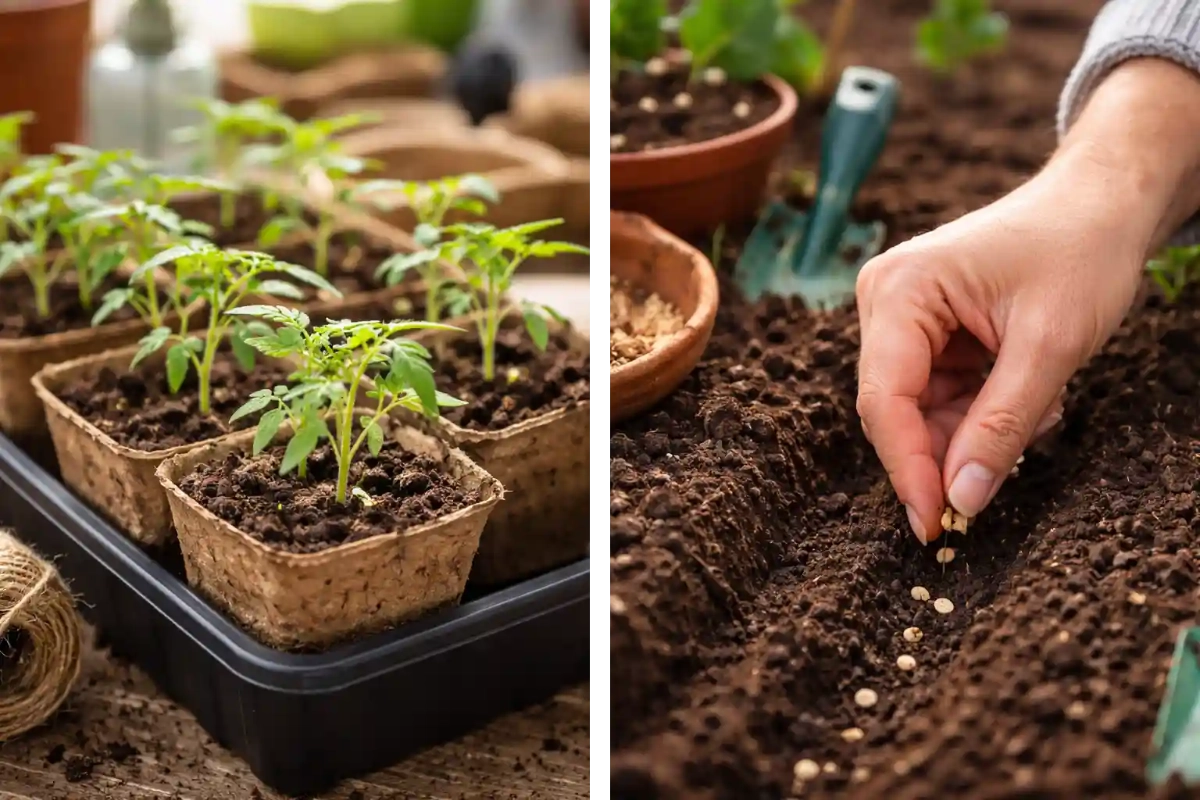
With pre-growing, you start protected (windowsill, cold frame, greenhouse) and transplant later. Direct sowing means: seeds directly into the bed. Both have their place – the only important thing is that you choose the right timing.
✅ Pre-growing
- Head start for warmth-loving plants
- Ideal for long crops
- Better harvests
✅ Direct sowing
- Less effort
- A good seedbed is crucial
- Keep evenly moist
Sowing calendar 2026: January to March
This overview comes from the GrowSimply plant database and applies to vegetable growing in Central Europe. The earliest dates often only work with protection from fleece, a polytunnel or a greenhouse. Depending on your region and microclimate, things start a few weeks earlier or later for you.
January
- Pre-growing: Broccoli, Cauliflower, Chili, Kohlrabi, Lettuce, Pak choi, Pointed cabbage
- Direct sowing: Garden cress
February
- Pre-growing: Broccoli, Eggplant, Head cabbage, Lettuce, Onion, Pointed cabbage, Red cabbage, Sweet pepper
- Direct sowing: Carrot, Garden cress, Lamb's lettuce, Parsnip, Radish, Spinach, Winter purslane
- Transplanting: Cauliflower, Kohlrabi, Lettuce, Pak choi
March
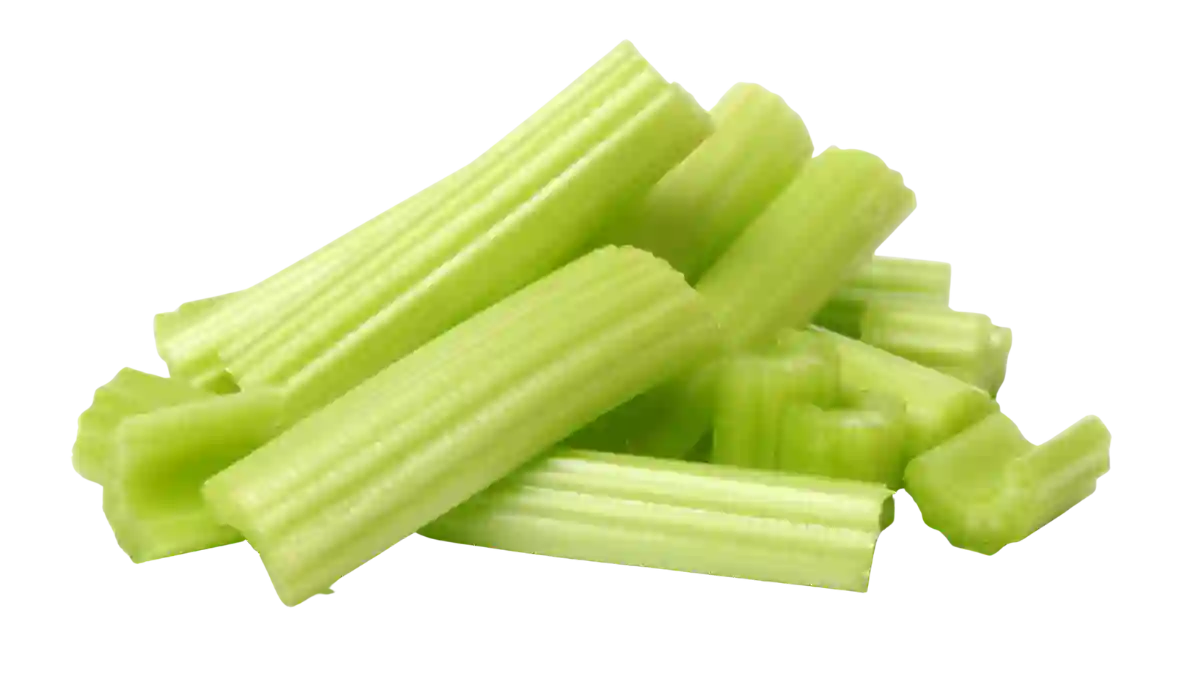
- Pre-growing: Broccoli, Brussels sprout, Cauliflower, Celeriac, Celery, Fennel bulb, Leek, Okra, Onion, Pointed cabbage, Red cabbage, Tomato, Water spinach
- Direct sowing: Arugula, Asian greens, Black salsify, Broad bean, Carrot, Garden cress, Lamb's lettuce, Parsnip, Pea, Radish, Root parsley, Rutabaga, Spring onion, Spring turnip, Winter purslane
- Transplanting: Broccoli, Cauliflower, Head cabbage, Lettuce, Onion, Pointed cabbage
- Planting (tubers, cloves, young plants): Garlic
Sowing calendar 2026: April to June
April
- Pre-growing: Broccoli, Butter cabbage, Cauliflower, Cucumber, Head cabbage, Kale, Kalettes, Kohlrabi, Lettuce, Melon, Okra, Ornamental kale, Pointed cabbage, Pumpkin, Radicchio, Red cabbage, Sugarloaf chicory, Sweet corn, Water spinach, Zucchini
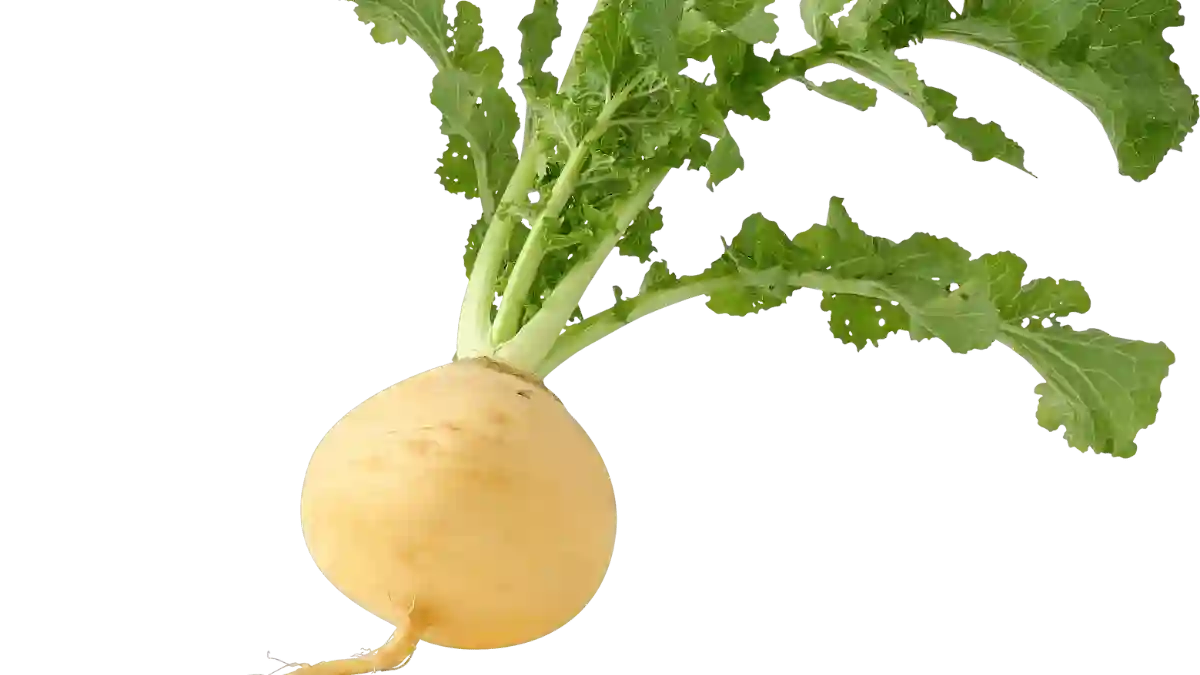
- Direct sowing: Autumn turnip, Beetroot, Black salsify, Broad bean, Carrot, Chard, Chicory, Parsnip, Pea, Radish, Root parsley, Rutabaga, Salsify, Spring onion, Spring turnip
- Transplanting: Broccoli, Onion, Pointed cabbage, Red cabbage
- Planting (tubers, cloves, young plants): Garlic, Ginger, Potato, Skirret
May
- Pre-growing: Broccoli, Butter cabbage, Cauliflower, Chinese cabbage, Kohlrabi, Lettuce, Okra, Radicchio, Sugarloaf chicory, Water spinach, Zucchini
- Direct sowing: Asian greens, Autumn turnip, Beetroot, Bush bean, Carrot, Chard, Chicory, Garden cress, Nasturtium, Pole bean, Radish, Rutabaga, Salsify, Spinach, Spring onion, Spring turnip
- Transplanting: Broccoli, Brussels sprout, Butter cabbage, Cauliflower, Celeriac, Celery, Chili, Cucumber, Eggplant, Fennel bulb, Head cabbage, Kale, Kalettes, Kohlrabi, Leek, Lettuce, Melon, Okra, Ornamental kale, Pointed cabbage, Pumpkin, Radicchio, Red cabbage, Sugarloaf chicory, Sweet corn, Sweet pepper, Tomato, Water spinach, Zucchini
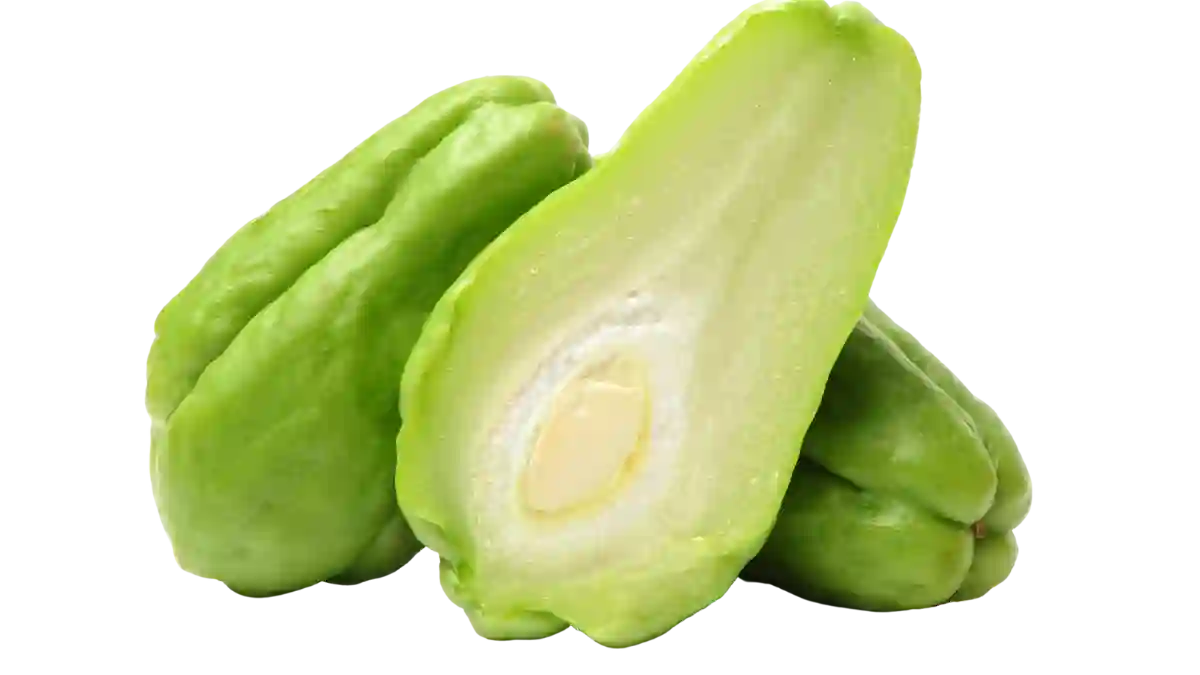
- Planting (tubers, cloves, young plants): Chayote, Ginger, Potato, Skirret, Sweet potato, Yacon
June
- Pre-growing: Butter cabbage, Chinese cabbage, Lettuce, Radicchio, Water spinach, Winter endive
- Direct sowing: Asian greens, Beetroot, Bush bean, Carrot, Chard, Garden cress, Lamb's lettuce, Nasturtium, Pole bean, Radish, Spinach, Spring onion
- Transplanting: Broccoli, Butter cabbage, Cauliflower, Chinese cabbage, Kohlrabi, Lettuce, Okra, Pointed cabbage, Radicchio, Red cabbage, Sugarloaf chicory, Water spinach, Zucchini
- Planting (tubers, cloves, young plants): Yacon
Sowing calendar 2026: July to September
July
- Pre-growing: Chinese cabbage, Kohlrabi, Radicchio, Sugarloaf chicory, Winter endive
- Direct sowing: Asian greens, Beetroot, Bush bean, Carrot, Chard, Garden cress, Lamb's lettuce, Pole bean, Radish, Spinach, Spring onion
- Transplanting: Broccoli, Butter cabbage, Cauliflower, Chinese cabbage, Lettuce, Okra, Radicchio, Water spinach, Winter endive
August
- Pre-growing: Kohlrabi, Lettuce, Pak choi, Sugarloaf chicory
- Direct sowing: Arugula, Asian greens, Autumn turnip, Beetroot, Broad bean, Chard, Garden cress, Lamb's lettuce, Pea, Radish, Rutabaga, Spinach, Spring onion, Winter purslane
- Transplanting: Chinese cabbage, Kohlrabi, Radicchio, Sugarloaf chicory, Water spinach, Winter endive
September
- Pre-growing: Kohlrabi, Lettuce, Pak choi
- Direct sowing: Arugula, Asian greens, Autumn turnip, Broad bean, Garden cress, Lamb's lettuce, Pea, Radish, Rutabaga, Spinach, Winter purslane
- Transplanting: Kohlrabi, Lettuce, Pak choi, Sugarloaf chicory
- Planting (tubers, cloves, young plants): Garlic
Sowing calendar 2026: October to December
October
- Pre-growing: Pak choi
- Direct sowing: Arugula, Asian greens, Lamb's lettuce, Radish, Spinach, Winter purslane
- Transplanting: Kohlrabi, Lettuce, Pak choi
- Planting (tubers, cloves, young plants): Garlic
November
- Direct sowing: Winter purslane
- Transplanting: Pak choi
December
- Pre-growing: Cauliflower
Ice Saints: why the “switch” is often flipped in mid-May
Many wait with sensitive crops until after Ice Saints in mid-May because late night frosts are possible. For you, this means: warmth lovers (e.g. tomato, cucumber) are better planted safely rather than stressed too early.
Region and microclimate: why “April” isn’t the same everywhere
A raised bed often warms up faster than a flat bed. A greenhouse starts earlier than the open ground. And a shady garden starts later than a sheltered courtyard. Use the sowing calendar as a base and adapt it to your individual needs.
Conclusion: less overthinking, more garden joy
A sowing calendar is your guiding thread through the garden year. It gives you confidence in timing and makes sowing, planting and harvest much less stressful. If you use it digitally, it becomes a real companion instead of a “note”.
Frequently asked questions about the sowing calendar
What can I sow in February?
In February you mainly pre-grow indoors: sweet peppers and eggplants need a long head start, plus cabbages such as broccoli, head cabbage, red cabbage and pointed cabbage, as well as lettuce and onions. Only hardy crops such as spinach, lamb’s lettuce, winter purslane, radishes, carrots and parsnips go directly into the bed – and only when the soil is no longer frozen. A fleece helps with germination.
When do I pre-grow tomatoes and sweet peppers?
You pre-grow sweet peppers in February and tomatoes in March. Both need a lot of warmth to germinate and only go into the bed after the Ice Saints in mid-May, because they cannot tolerate frost.
Why are my seedlings long and thin?
Long, thin and pale seedlings get too little light for the warmth they are standing in. Put the seed trays at the brightest window and not directly above the radiator. In February and March, daylight is often not enough; then a grow light or a slightly later start helps.
What do I sow in late summer and autumn?
From August, the second sowing season for winter vegetables begins: you now sow lamb’s lettuce, spinach, winter purslane, arugula and Asian greens directly into the bed, plus radishes for a last harvest. You plant garlic in September and October.
Is the sowing calendar also available as a PDF?
You have to get a printed calendar or a PDF again every year. With a free account as a garden helper, the GrowSimply digital sowing calendar is always set to the current year and at hand on your phone, tablet and computer.
No mental checklists needed — GrowSimply puts the right steps on your to-do list at the right time.
Part of the guide Create your own vegetable growing plan – all 8 stepsThe Vegetable Guide is free — the sowing calendar and the recipes are free to use with an account, too. Behind GrowSimply are many years of development and high running costs. But we deliberately do without advertising. There is no tracking either. If the project helps you, support it now — so it stays this way.
Simple and 100% right. With GrowSimply!
The guide explains the craft. With GrowSimply you can apply it. You get a personal growing plan with suitable time windows for your location (with postcode-accurate weather data), can implement sustainable planning by following crop rotations, and even receive recommendations for good neighbours. So you don't forget anything, you always get to-dos at the right time. GrowSimply wants to be the only app you need – without ads and tracking.