With this hardy beet, you'll secure a sweet harvest in the middle of winter.
Thomas6 min readUpdated on October 19, 2026
Written by Thomas, GrowSimply developer who loves good food.
In short
The autumn turnip is sown by direct sowing between August and September. The harvest begins after three months with the first harvest, and the actual harvest window lies between November and December. The total crop duration is four months.
At a glance
curated data from the GrowSimply database
Germination temperature
4–20 °C
Growing time
approx. 4 months
Yield per plant
approx. 100 g
Planting distance
10 × 25 cm
Growing method
Direct sowing
Harvest window
November – December
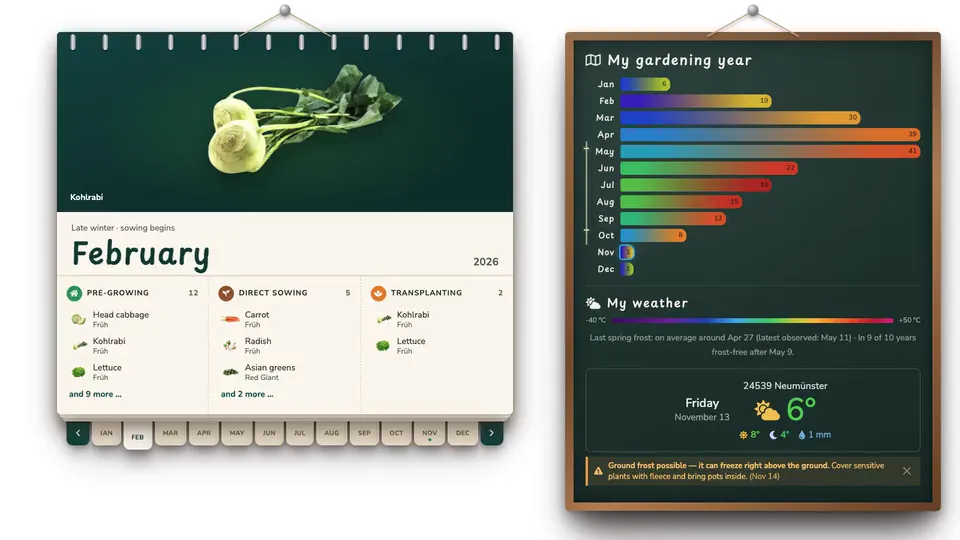
You don't need to remember any of this, because GrowSimply creates your growing plan from these properties.
These are average values for Central Europe, from the GrowSimply database. Values differ depending on variety and location. You can change each property by hand — or the Assistant adapts the plant to your climate.
When loading, YouTube (Google) transfers data such as your IP address and may store information on your device.
Privacy policy
Links open in a new tab at the respective provider. Their privacy policy applies there.
Location & Soil
The autumn turnip needs a sunny spot in your garden so that it can unfold its full splendor. If you give it direct sun, it loves the light and shoots out vigorously. Without these many hours of sunshine, it remains more of a shady secret than a bright highlight. Since it forms a rosette, it stays quite compact on the ground with a final height of 25 cm. When you plan space for it, you don't have to expect a huge bush, but can use it wonderfully as a low companion. Its medium-depth root system requires loose soil that gives it enough room to grow. If the soil is too firm and compact, its roots will find no hold and you will hardly enjoy it. If you ensure a good location with sufficient light and loose soil, then it will be a colorful highlight in your garden.
Sowing & planting
Direct sowing
Direct-sowing option
You sow the autumn turnip directly into the bed, putting the seed in the soil between August and September. If you choose this period, you use the ideal window for direct sowing. The seeds require a soil temperature of 4 to 20 °C to germinate so that they sprout reliably. You place the seeds two centimeters deep in the soil. As soon as the young turnips show their first two leaves, you pull out the excess plants. When you do this, a spacing of about 25 cm in the row and 10 cm between rows remains between the plants. The germination period is 5 to 14 days, so it won't take long until the first green heads peek out of the ground. You then have only a short window of time to react before the turnips claim their space. If you sow them too densely, they behave like uninvited guests at a party that is too small and take up each other's space.
The right time windows for your garden are already in your growing plan — you don't even have to do the math. They are derived from your location and climate.
Watering & Fertilizing
The autumn turnip does very well with a medium water requirement and a moderate amount of nutrients. If you incorporate a single application of compost before sowing in the spring, its hunger will be satisfied. It doesn't need expensive fertilizer, because as a medium feeder, it only takes what is necessary from the soil. If the crop runs over a long period, you can top-dress it one-time with nettle manure. You save yourself the effort of large amounts of additives if you give it this one compost start. The plant is almost like a little money-saver in terms of nutrition in the bed.
Harvest
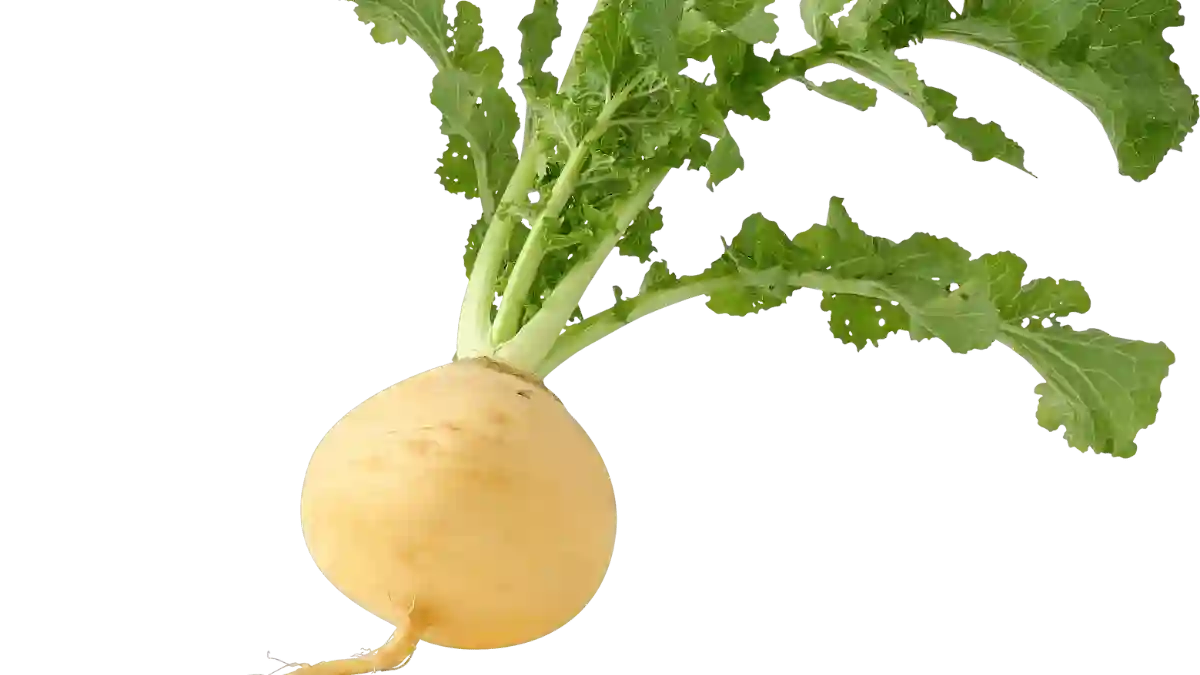
You can recognize the ripeness of the autumn turnip by its smooth, golden-yellow skin and a diameter of five to eight centimeters. Once the tuber has reached this size, it is ready for you. The skin feels smooth and the flesh inside appears firm and elastic. Harvest before heavy frost so that your turnips do not melt away. If you proceed carefully, your harvest will remain undamaged. First loosen the soil with a garden fork, then pull out the turnip and remove the leaves immediately. You can already harvest the first turnips from mid-September, while the main harvest falls in October and November. The actual harvest window is between November and December. If you start now, you will benefit from a harvest duration of one month. The plant requires a total crop duration of four months from sowing to the end of the harvest. You get an average yield of 100 g per individual plant. Three months after the day the plant is in the bed, your first harvest begins. The autumn turnip is still far from its limit at the first action.
Frost & Protection
The autumn turnip requires protective measures if temperatures fall below -9 °C, as it reaches its safe cultivation limit in open ground at this threshold. If you keep the plant under foil or in a tunnel, this insulating layer protects you from the cold and allows you to have a safer harvest down to -10 °C. You can even achieve a protection value of -12 °C if you place it in a greenhouse or under fleece. Once the roots are firmly stuck in frozen soil, the plant hardly tolerates any more frost. Therefore, you should lift all turnips from the ground before a severe frost sets in. The autumn turnip is tough, but it does not like playing in deep sleep at sub-zero temperatures.
crop rotation
The autumn turnip may only be planted in the same spot after a five-year planting break, provided you observe the planting break for the entire plant family. If you fall short of this period, you risk soil problems because the autumn turnip belongs to its relatives as one of the mustards. During these years, you must also strictly avoid other mustards such as cabbage in this spot. If you follow this strictly, you will need six separate sub-areas in your garden for continuous cultivation. The autumn turnip is a medium feeder and draws a medium amount of nutrients from the soil. You save yourself tedious soil rework if you plan the growing areas generously. If you rotate the space every five years, you give the soil the necessary rest before the next mustard round.
Seeds & Propagation
You win the autumn turnip seed by overwintering a healthy plant and bringing it to full bloom in the following year. The plant needs two years of its life for this process. When you harvest the ripe seeds after flowering, you secure the next generation. You will achieve a germination rate of 85 %. This means that almost all of your sown grains actually shoot out of the ground as small green seedlings. If you store the seed well, it remains viable for up to 5 years. So you have a decent time buffer before the seeds lose their desire to grow. The plant is quite patient while waiting, but it cannot be rushed, as it is only ready for its big debut in the second year.
Flavor & Use
The autumn turnip tastes mild-sweet with a nutty note. When you mix it raw and grated into a lettuce, you make optimal use of its gentle sweetness. You can also add it to stews, as it is a pleasant addition when cooked there. If you ferment the plant, the sauerkraut turnip is created from it. The leaves are also edible and end up in the cooking pot as swede. Since the autumn turnip is hardy, you can look forward to a long shelf life. Pests usually leave it alone, which saves you a lot of work.
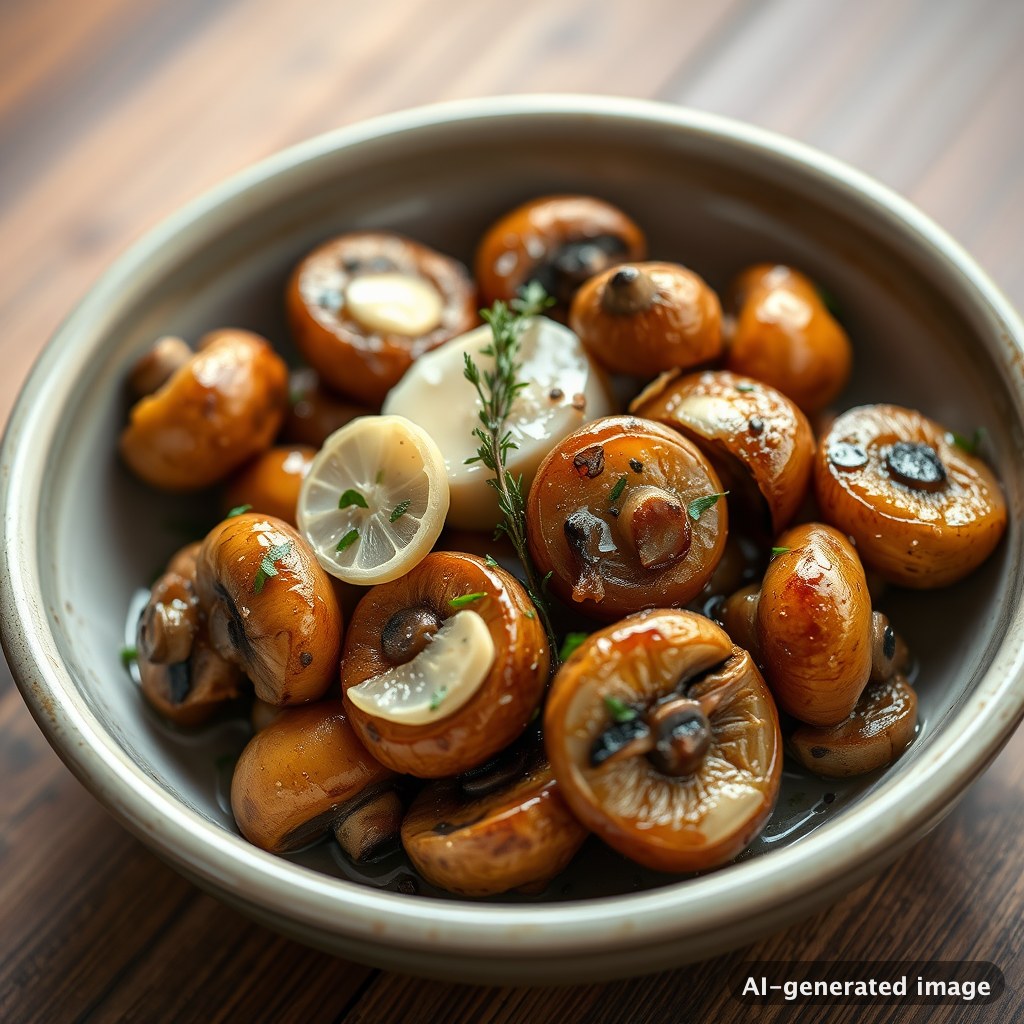
You can find 1 recipe matching your harvest in the app.
The best way to store your autumn turnip is in a crate with moist sand in a cool place in the cellar. If you prepare the turnips this way, you can eat them until April, which means a shelf life of six months. In the refrigerator, however, the plant only lasts for four weeks. You lose precious time and harvest if you rely solely on the cooler box. If you dig up the turnips now and store them correctly, you will be eating turnips from your own garden all winter long. The crate with moist sand is like a cozy bed for the plant, letting it sleep until spring.
The special thing
The greatest danger for your autumn turnip is clubroot in the soil. Once the pathogen is established there, it can survive for up to twenty years. You must therefore be extremely careful, because if you use infected soil, you risk the downfall of your plant. Clubroot waits patiently in the earth for its next opportunity. In Switzerland, children have been using turnips as glowing works of art since the nineteenth century and carving them like pumpkins. If you want to recreate this tradition, it is basically Halloween Swiss-style with a turnip instead of a pumpkin. In standard German, this custom is called Rübenlicht. The children then run through the streets with these lights.
Remember
Give her sun and loose soil,
and the harvest will be a bright find.
Companions in mixed culture
Empirical values from mixed-culture practice.
Good companions
Pea
Pea collects nitrogen in the soil. This way, Autumn turnip grows better.
Bush bean
Bush bean collects nitrogen in the soil. This way, Autumn turnip grows better.
Keep good and bad neighbours in mind? You don't have to — GrowSimply combines them correctly when planning.
The Vegetable Guide is free — the sowing calendar and the recipes are free to use with an account, too. Behind GrowSimply are many years of development and high running costs. But we deliberately do without advertising. There is no tracking either. If the project helps you, support it now — so it stays this way.
The guide explains the craft. With GrowSimply you can apply it. You get a personal growing plan with suitable time windows for your location (with postcode-accurate weather data), can implement sustainable planning by following crop rotations, and even receive recommendations for good neighbours. So you don't forget anything, you always get to-dos at the right time. GrowSimply wants to be the only app you need – without ads and tracking.
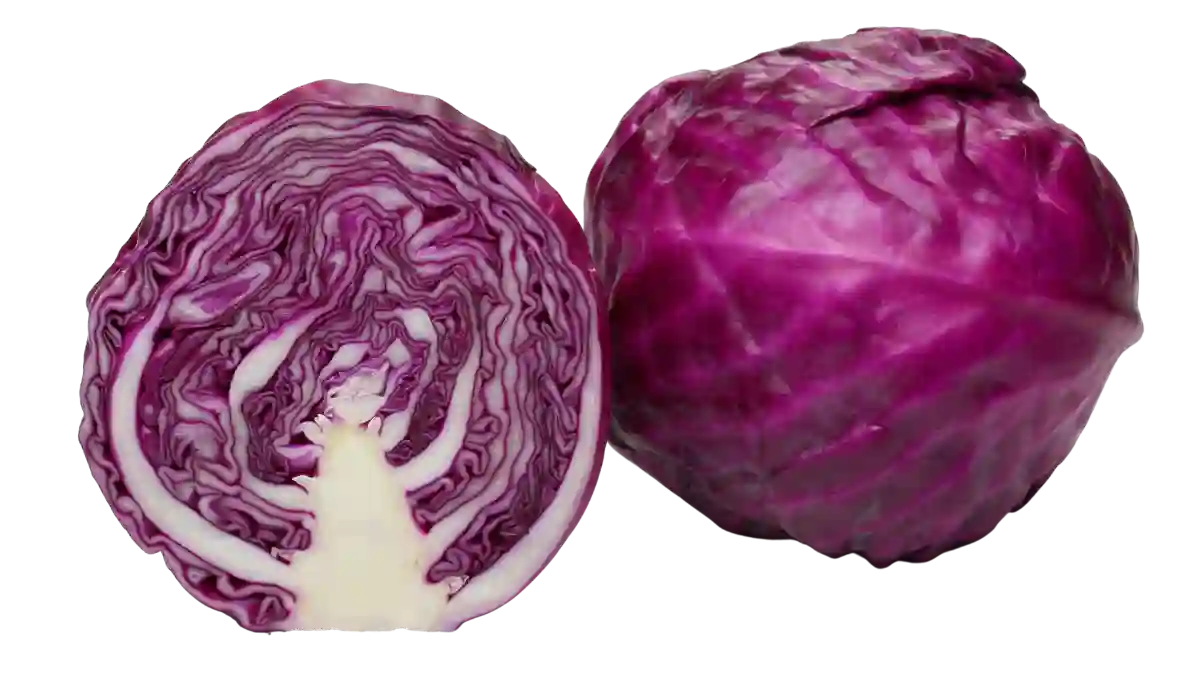
How do you achieve the perfect red cabbage in your garden? Learn everything about the right care and how you can safely save your harvest until winter.
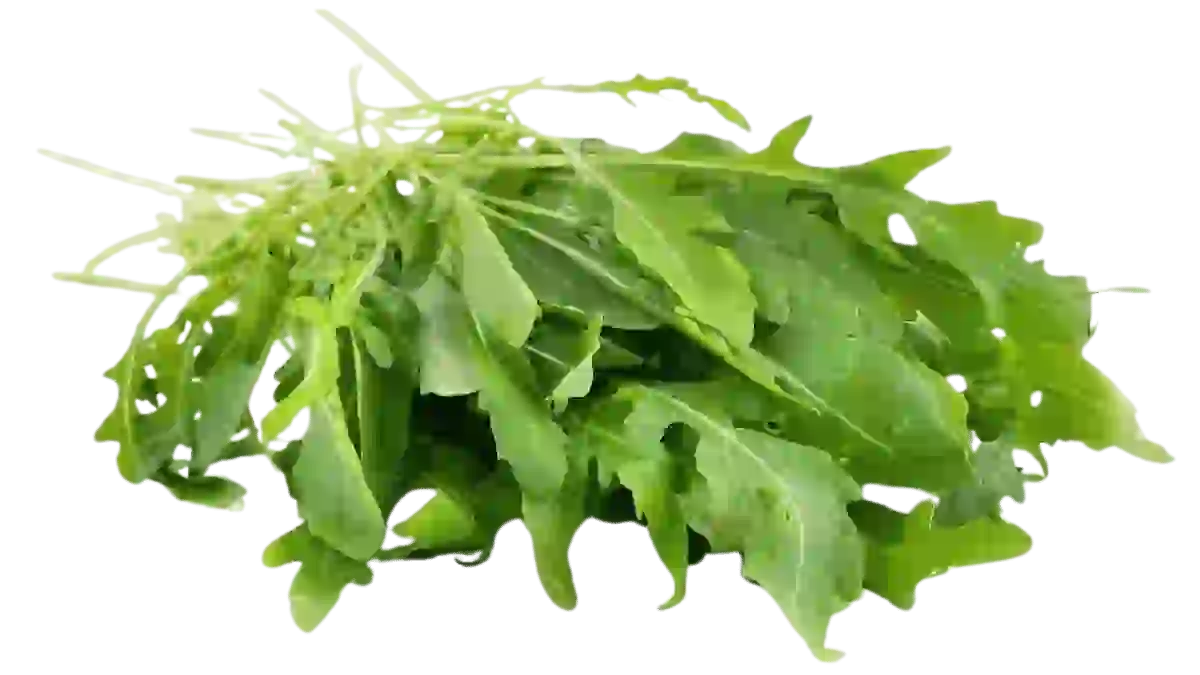
How to successfully cultivate your arugula and harvest the full aroma. Learn everything about the ideal location and the right care for your vegetable.
 Thomas