Topic: Plants
Growing chayote: how it blooms and bears fruit even here
The chayote is a climbing squash that you grow from a single fruit and which, for us, only blooms with the right trick.
 Thomas
In short
You pit the chayote from a whole fruit starting in February and plant it against a stable trellis in May after the Ice Saints. It is harvested from September to October, with one plant yielding about 2000 g of fruit. It only develops its flowers when the days get shorter, so without help, there is very little time left before the first frost here.
At a glance
curated data from the GrowSimply database
| Germination temperature | 18–28 °C |
|---|---|
| Growing time | approx. 8 months |
| Yield per plant | approx. 2 kg |
| Planting distance | 50 × 100 cm |
| Growing method | Buy seedling |
| Harvest window | September – October |
You don't need to remember any of this, because GrowSimply creates your growing plan from these properties.
These are average values for Central Europe, from the GrowSimply database. Values differ depending on variety and location. You can change each property by hand — or the Assistant adapts the plant to your climate.


Location & Soil
The chayote needs a spot in full sun, as it wants as many sunny hours per day as possible. It grows climbing and therefore needs a support.
The growth height is 300 cm. However, the individual shoots will become much longer and spread across the entire trellis. Therefore, build a very stable trellis that can bear the weight of vines and fruit. Set it up so that the plant does not shade lower neighbors.
The roots reach medium depth. This means that the soil should be loose and deep. The chayote needs a lot of water, but its roots rot easily in wet conditions. A well-draining soil without waterlogging is therefore advisable. This is a deduction from root depth and water requirement, not a measured value.
Chayote in a container, raised bed and on the balcony
You can grow chayote in a container if the container is large and there is a stable trellis. Sources suggest at least 30 liters, some even 50 liters. The larger it is, the better the plant will cope with its high water requirement.
Choose a container with good drainage to prevent waterlogging, and use loose, nutrient-rich soil. Water the container regularly, as a container dries out faster than a bed. Fertilize only moderately. The plant needs a sunny spot.
The trellis must be very stable because the shoots will grow many meters long. On the balcony, a wall with a trellis or a firmly anchored structure is suitable. In a raised bed, the same applies as in a bed: plenty of sun, enough space and a climbing aid.
In a container, you can overwinter the plant in a bright, frost-free place at about 10 to 15 °C. Prune the vines beforehand.
Sowing & planting
You pre-grow the chayote in a warm place starting from February and transplant it in May. Instead of seeds, you use planting material: You can buy seedlings or pre-grow an entire fruit yourself.
The reason: The only seed of the chayote already germinates inside the fruit. Therefore, you don't need a seed packet, just an entire fruit. In winter, they are often available in Asian grocery stores.
How to pre-grow it
- Insert the fruit halfway into a container with five liters of loose soil.
- Place the container in a warm place. The soil temperature for stimulation should be between 18 and 28 °C.
- The first sprout appears after 10 to 21 days. A shoot will then climb up from the fruit.
How to transplant it
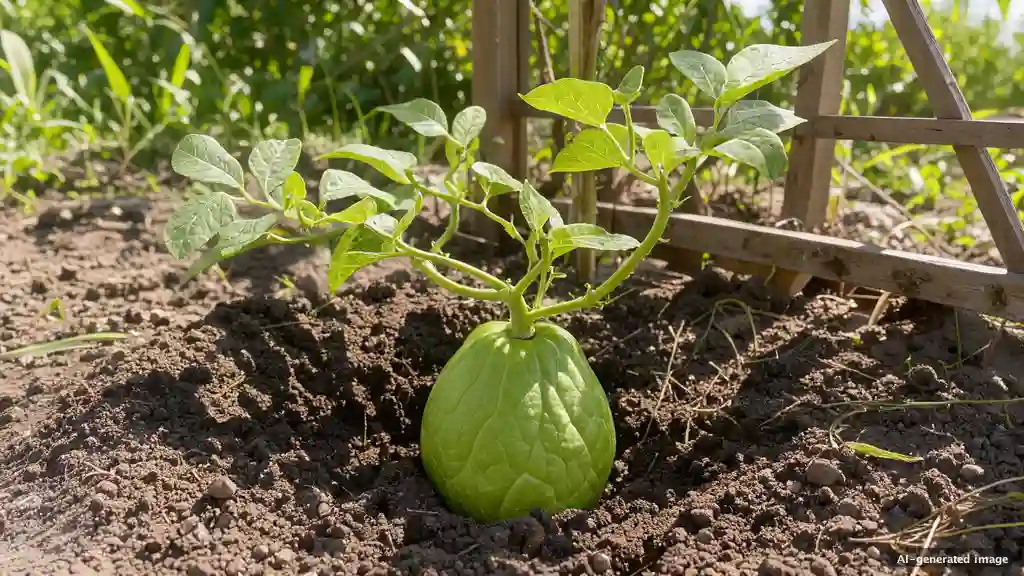
The window for transplanting is May. Wait until after the Ice Saints, because the plant does not tolerate frost. Acclimatize it to the outdoor air for a few days beforehand. Then set it against the trellis with a planting distance of 50 cm × 100 cm. When your location is frost-free depends on the local weather.
Watering & Fertilizing
The water requirement of the chayote is high, and it is a heavy feeder. So water it abundantly and regularly, but in a way that allows the water to drain. Wet feet will cause its roots to rot quickly. A layer of mulch keeps the soil evenly moist.
When fertilizing, despite being a heavy feeder: less is more. Give nitrogen at the beginning for strong foliage. As soon as the first flowers appear, fertilize with potassium; this brings more and better fruit. Too much fertilizer in high heat pushes everything into the growing of the vines. Small fruits that have already set will then fail to develop further and shrink again.
A very long, deep green vine is therefore not a sign that the plant needs more fertilizer.
Care for and prune chayote
The most important maintenance task for the chayote is getting it to bloom. It is a short-day plant and only develops flowers when the day becomes shorter than about twelve hours. In our region, this doesn't happen until late September, leaving little time for fruit before the first frost. So, if your plant only grows and does not bloom, it is not due to your care.
How to make it bloom earlier
This method comes from research experiments that successfully achieved a harvest in Central Europe.
- Let the plant grow normally for about two months after planting.
- After that, cover the trellis every day in the late afternoon with a dark film.
- Remove the film again the next morning. This way, the plant only gets eight hours of light and thinks it is autumn.
- After six weeks, let it grow normally in daylight again.
This is a lot of work. In return, however, the plant will already have flowers in summer and a real chance at fruit before the frost.
Support and Pruning
The vines need a very stable trellis from the beginning, as they can grow to a good eight meters long in one summer. You can prune the shoots if they become too dense. The young shoot tips and leaf shoots are edible. So, whatever you cut off while pruning can be used in the kitchen.
If you overwinter the plant in a greenhouse, prune the vines down to three or four shoots before winter. Mulch the soil so that it remains evenly moist. Do not use too much fertilizer so that the plant does not put all its energy into the vines.
Diseases and pests
Chayote is considered resilient, but it has a few typical enemies. Check the plant regularly so you can recognize them early.
Powdery mildew
Both powdery mildew and downy mildew appear as light coating or spots on the leaves and occur more frequently in humid weather. Ensure good ventilation and water only at the base, not over the leaves. Remove affected leaves.
Aphids
You can recognize them by small insects on shoot tips and leaf undersides and by sticky leaves. Spray them off or treat with neem oil or soap solution.
Spider mites
They occur in dry air. Fine webs and pale leaves give them away. Increase the humidity and spray the plant down.
Slugs
They are primarily a problem for young plants. Collect them and protect the young plants in the first few weeks.
Root rot
Wet feet cause the roots to rot. Ensure well-draining soil and do not overwater.
Frost & Protection
The chayote does not tolerate frost. The safe outdoor growing limit is 5 °C. This is not the temperature at which the plant dies, but the limit above which you can grow it safely. Under film or a tunnel, the safe growing limit is 4 °C. In a greenhouse or under fleece, it is 2 °C. The plant benefits from weather protection.
Therefore, only transplant it after the Ice Saints. Pick all fruits from the vine in autumn before the first frost night.
Overwintering
In Central Europe, the chayote is mostly an annual crop when grown outdoors. It is not winter-hardy. In a greenhouse or in a bright, cool and frost-free location, it can overwinter. How successful this is depends on your winter. Sources here do not agree, so plan for an experiment rather than a guaranteed harvest in the second year.
Harvest
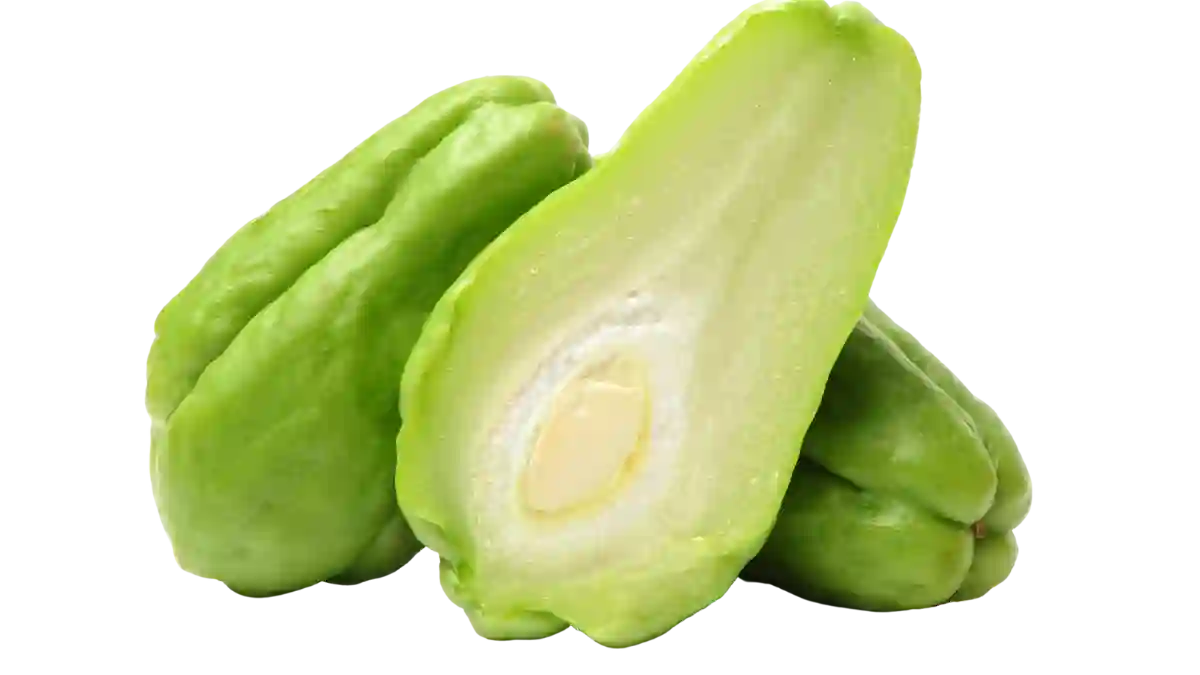
You harvest the chayote during the harvest window from September to October, as soon as the fruits are about fist-sized and firm. The pear-shaped fruits then have a size of 10 to 20 cm, a green, slightly ribbed skin, and are tender when young. It is better to harvest them young rather than too large.
Up to the first harvest, 4 months pass from the day the plant is in the bed. The harvest duration is 4 months; you can continue harvesting continuously for that long. The crop duration from planting to the end of the harvest is 8 months. In our area, the first frost brings an earlier end to the harvesting.
Cut the fruits off the stem with scissors or a knife. The yield is about 2000 g per individual plant.
Before the first frost night, pick all the fruits from the vine, no matter how large they are.
Flavor & Use
Chayote tastes mild and slightly sweet, somewhere between cucumber and zucchini. Some people also find it reminiscent of kohlrabi. The name comes from the Aztec language and means roughly prickly pumpkin. It is harmless nonetheless.
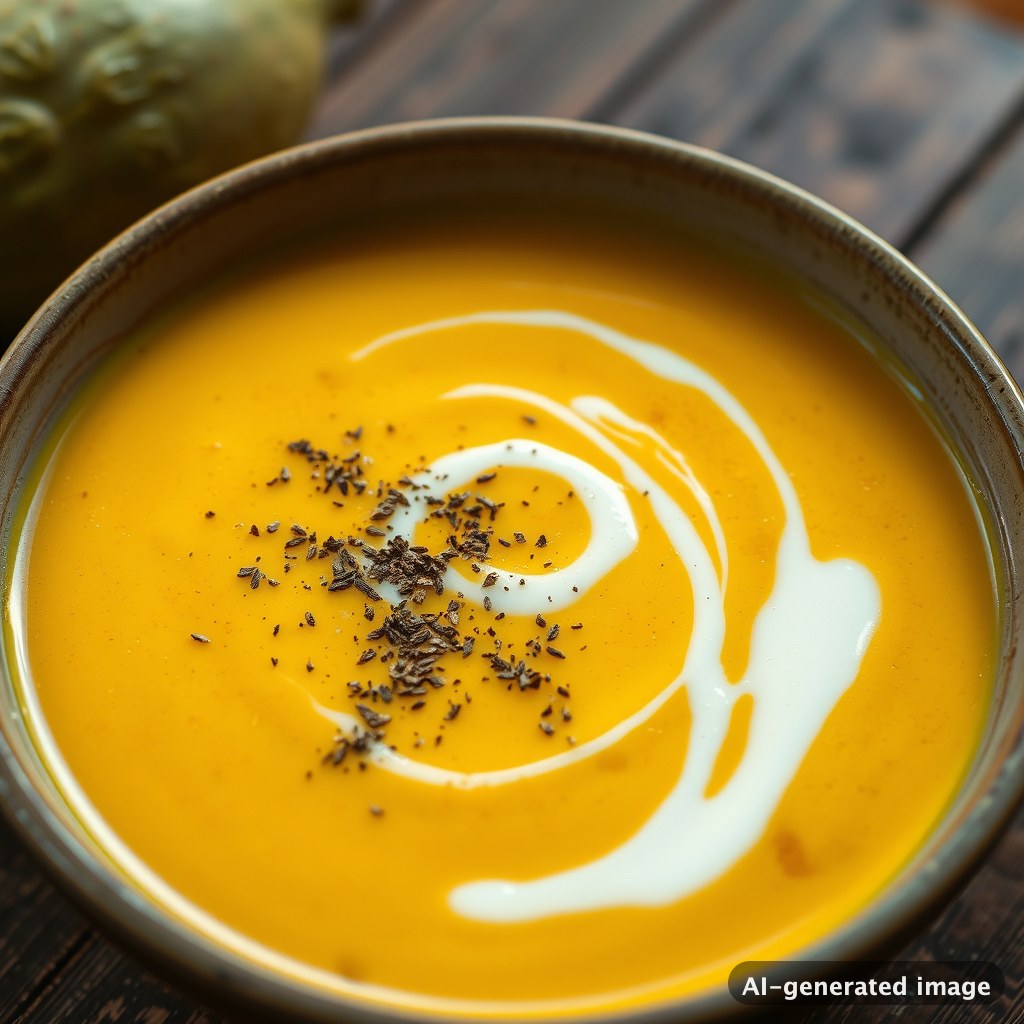
You can add it raw and grated to your lettuce, use it cooked in soups and stews, or bake it stuffed in the oven. Even the seed is edible and is considered a delicacy with its slightly nutty note. Furthermore, the fruit, shoots, and root are edible. You can briefly steam the young shoot tips and leaf shoots or add them to the soup.
A whole fruit stays fresh in the refrigerator for about two weeks. In a cool cellar with high humidity, it lasts several weeks. Cover a cut fruit so that it does not dry out, and consume it within a few days.

Preserve
The chayote stays fresh longest when stored or frozen. Storing works very well: A whole fruit lasts a few months in a cool, damp cellar.
To freeze it, cut the fruit into cubes, blanch them, and pack them airtight. Because the fruit contains a lot of water, the texture will be softer afterwards. Some sources therefore advise against freezing; try a small amount first.
For canning, chayote is suitable for compote or chutney. There are no reliable instructions for drying and fermenting. I therefore do not list it as suitable.
Seeds & Propagation
The easiest way to propagate chayote is from a whole fruit. Its single seed already germinates inside the fruit, without soil, and sprouts through the shell. One fruit is enough for one plant.
If you want to collect the seed yourself, take a fully ripe fruit. Scrape out the seed, rinse off the pulp, and let it dry well. However, because the seed already germinates in the fruit, using the whole fruit is the safer way.
There are no reliable data regarding germination viability over years or whether the plants are heirloom. Older plants also form a tuber from which new shoots can grow in spring if they survive the winter protected.
crop rotation
Chayote belongs to the gourds, which is why it has a planting break of 3 years. Only after that can a plant from the same plant family be grown in the same spot again. For continuous cultivation, you therefore need 4 separate sub-areas.
The cucumber, pumpkin, zucchini and melon also belong to the gourds. The planting break applies to all of them together.
Chayote is a heavy feeder. Plants that extract less from the soil or leave nitrogen behind are suitable as precursor crops, for example beans and peas. As a subsequent crop in the following year, light feeders and medium feeders such as carrot, onion or lettuce are suitable after the soil has recovered. These are general rules of crop rotation, not a peculiarity of chayote.
The special thing
What is special about chayote is that its seeds already germinate inside the fruit. If a fruit lies in the kitchen for too long, it develops long white shoots and green leaves, without any soil at all.
Botanically, it is a member of the gourd family and is related to cucumber and pumpkin. It is a climbing plant and grows very vigorously in summer. In its first year, it can form vines several meters long and yet show not a single flower, because it only blooms during short days. You can find more about this in the care section.
Gardeners in England report that only the prickly variety bears fruit there at all. In European trade, the smooth variety is most common. So for pre-cultivation, you will likely receive the smooth fruit.
A rumor from Australia claims that the apple pies of a large fast-food chain are filled with chayote. This has never been proven. However, some Australian recipes actually replace part of the apples with chayote.
Frequently asked questions about chayote
Why is my chayote not blooming?
The chayote is a short-day plant. It only develops flowers when the day becomes shorter than about twelve hours, which for us means from the end of September onwards. By providing darkness in the late afternoon, you can make it bloom earlier.
Is the chayote hardy?
No, the chayote does not tolerate frost. In Central Europe, you mostly grow it as an annual plant in the open field. In a container or greenhouse, you can overwinter it in a bright and frost-free environment.
Can you eat chayote raw?
Yes. The fruit tastes mild and slightly sweet and is a good ingredient for lettuce when grated raw. Cooked, it is suitable for soups and stews.
How do I grow a chayote from a purchased fruit?
Take a whole fruit, ideally one that is already starting to germinate. Stick it halfway into loose soil and keep it warm. A seed is not necessary, as it is inside the fruit.
Which parts of the chayote are edible?
The fruit, the core, the young shoots, the leaves, and the root are edible. You can lightly steam shoot tips or add them to soup.
Companions in mixed culture
Empirical values from mixed-culture practice.
Good companions
Broad bean
Broad bean collects nitrogen in the soil. This way, Chayote grows better.
Bush bean
Bush bean collects nitrogen in the soil. This way, Chayote grows better.
Pole bean
Pole bean collects nitrogen in the soil. This way, Chayote grows better.
Keep good and bad neighbours in mind? You don't have to — GrowSimply combines them correctly when planning.
The Vegetable Guide is free — the sowing calendar and the recipes are free to use with an account, too. Behind GrowSimply are many years of development and high running costs. But we deliberately do without advertising. There is no tracking either. If the project helps you, support it now — so it stays this way.
Simple and 100% right. With GrowSimply!
The guide explains the craft. With GrowSimply you can apply it. You get a personal growing plan with suitable time windows for your location (with postcode-accurate weather data), can implement sustainable planning by following crop rotations, and even receive recommendations for good neighbours. So you don't forget anything, you always get to-dos at the right time. GrowSimply wants to be the only app you need – without ads and tracking.