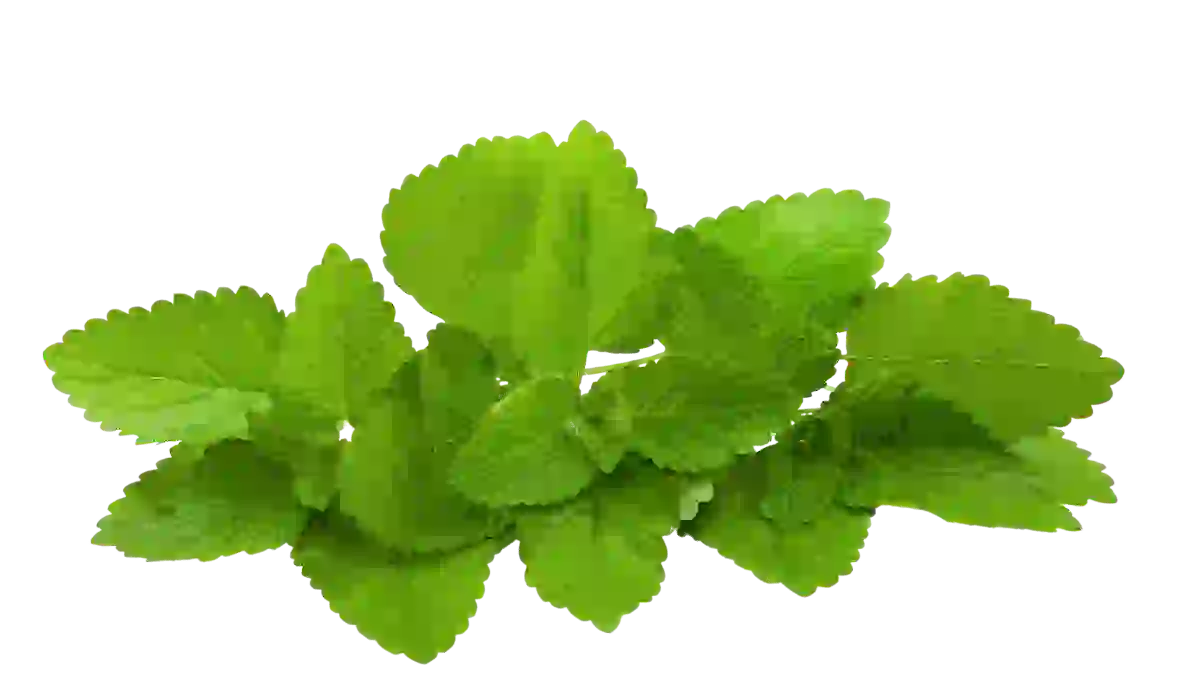
Lemon balm is a faithful companion for partial shade.
Sellerina4 min readUpdated on September 20, 2026
Thomas and Sellerina · Completed by the community
In short
You can harvest the plant from June to September. Each individual plant yields about 150 g.
At a glance
curated data from the GrowSimply database
Germination temperature
8–22 °C
Growing time
approx. 6 months
Yield per plant
approx. 150 g
Planting distance
30 × 30 cm
Growing method
Buy seedling
Harvest window
June – September
You don't need to remember any of this, because GrowSimply creates your growing plan from these properties.
These are average values for Central Europe, from the GrowSimply database. Values differ depending on variety and location. You can change each property by hand — or the Assistant adapts the plant to your climate.
Videos open in a new tab at the respective provider. Their privacy policy applies there.
Location & Soil
Lemon balm grows best in a semi-shaded spot with morning sun and shade at midday. It forms a bush that gets about 60 cm high. Since it is a perennial, it stays permanently in its location. The roots reach medium depth into the soil. You should therefore ensure loose soil so that the plant has room to grow. It likes moist but not wet. Standing water suffocates the roots because they begin to rot. With heavy soils you can mix in sand so that the water drains better.
Watering & Fertilizing
lemon balm has moderate water needs and is considered a medium feeder. This means it requires neither extremely large nor very small amounts of liquid or nutrients. You can think of the plant like a guest who receives regular moderate portions, rather than receiving huge quantities all at once. If you keep it too dry, the leaves will wilt. With too much water, the soil can become mushy. Since it draws nutrients from the soil in moderate amounts, balance is important. You don't need to fertilize excessively or neglect the soil completely. The plant grows best when you provide a steady supply without exceeding limits.
Harvest
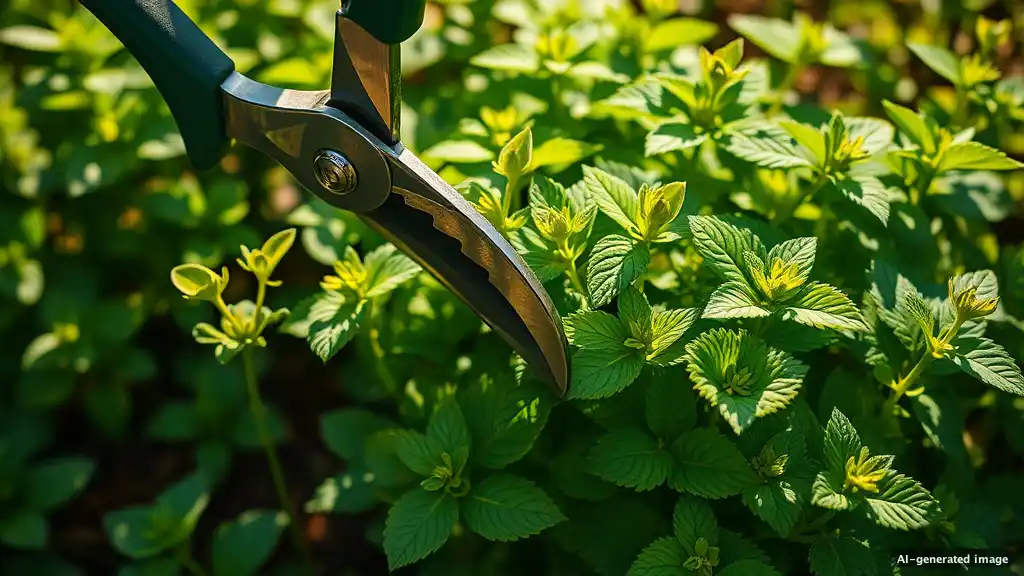
You harvest lemon balm between June and September, ideally just before the plant begins to bloom. The aromatic ingredients are most pronounced at this time. You can harvest three to four times in summer. To do so, pick the young leaves directly from the bed and use them immediately. Each individual plant yields about 150 g of produce for you. If you wait too long, the aroma loses strength. The plants then become more woody instead of tender. You should make the cut so that the plant grows vigorously and does not appear exhausted.
Frost & Protection
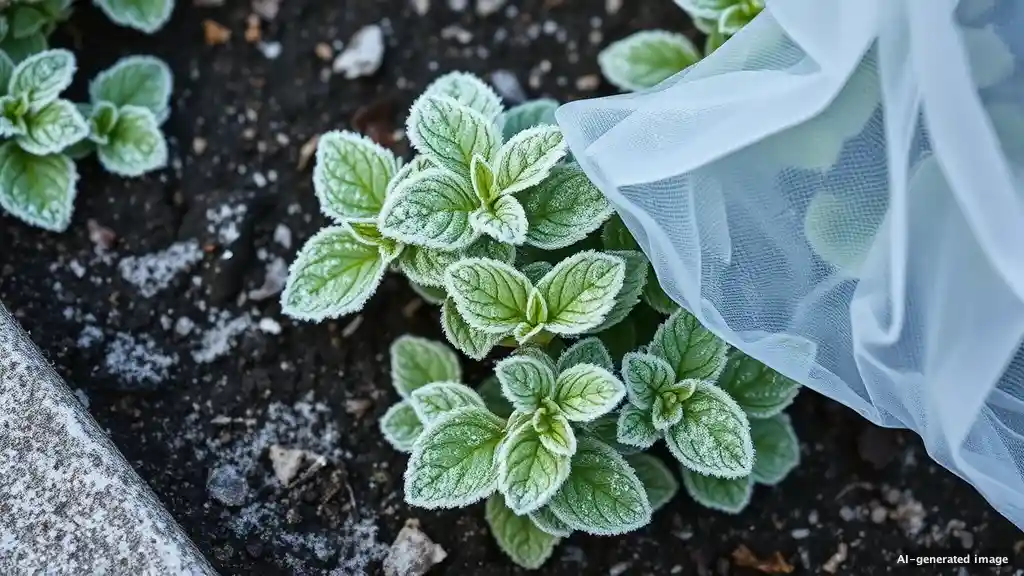
Lemon balm can safely stay outdoors at temperatures down to -15 °C. If you keep it under film or in a tunnel, this limit drops to -16 °C. With protection from a greenhouse or fleece, the plant even tolerates temperatures down to -18 °C. You can leave it directly in the bed over winter, as overwintering is possible. Imagine frost gnawing at the leaves and the soil hardening. At values lower than these limits, your plants may suffer damage or not grow as vigorously as usual. The various protective measures protect them from freezing.
Seeds & propagation
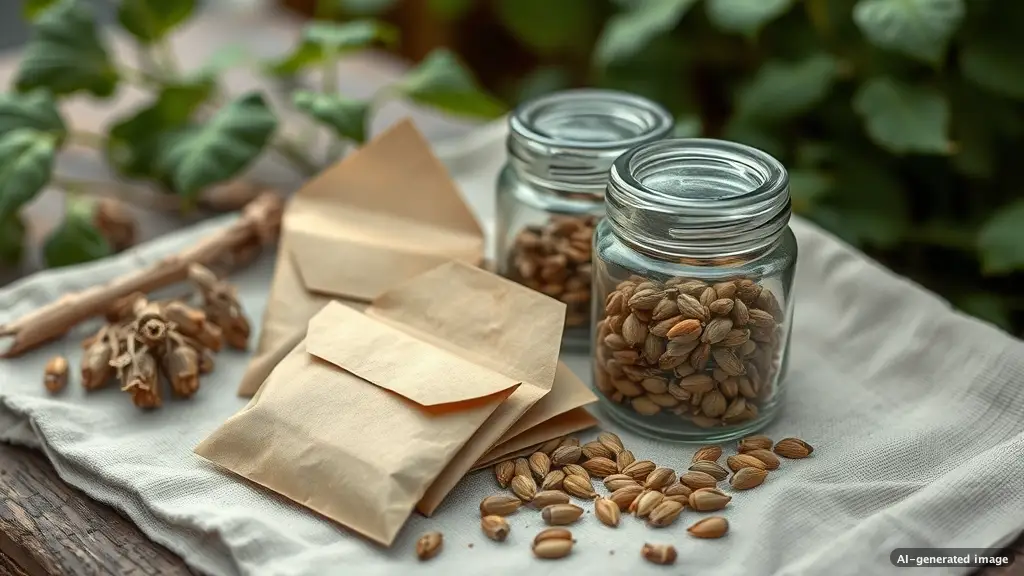
You can propagate lemon balm by collecting your own seeds. If you let the plant flower and allow it to seed, you will find it in every second bed next year. The seed viability is two years with good storage. About 70 percent of sown seeds germinate. So you can collect and use the seed for a limited time. It's like a small stock that helps you keep the plant in your garden.
Flavor & use
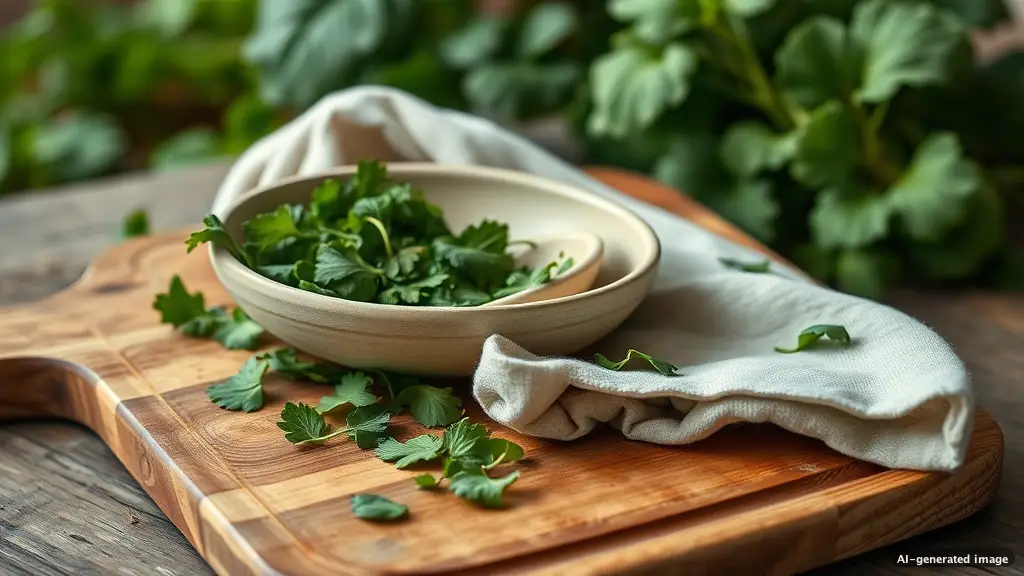
Fresh lemon balm tastes intensely of lemon with a fine note of honey. Dried melissa from the bag often loses this aroma and reminds one more of hay. You can use fresh leaves in cold lemonade or add them only at the very end to hot tea, as the aroma evaporates immediately when boiling. The plant is suitable for the kitchen as an ingredient for drinks. When storing it, you should ensure that its flavor is preserved.
Preserve
lemon balm preserves its flavor best when frozen.
You can harvest the leaves before flowering, as they have the highest concentration of essential oils at that time. Harvesting in the morning is ideal when the aroma is most intense and the dew has already dried. The leaves should be washed and thoroughly dried after harvesting.
You can spread whole leaves flat on a baking sheet so they do not touch each other and pre-freeze for 1 to 2 hours. After that, they can be frozen further in a freezer bag or an airtight container marked with the date.
You can also chop the leaves by chopping them with a sharp knife and portioning them into ice cube trays or small freezer bags; optionally you can take a freezer bag and knead it neatly when the leaves are frozen inside.
Frozen lemon balm preserves flavor significantly better than dried and lasts up to 12 months at -18 °C.
Sugar draws aroma from the leaves and holds onto it for a long time. You can layer the dry leaves with sugar and store them in a dark place for several weeks; afterwards you can remove them or grind them along. This process not only preserves, it refines: the harvest becomes a shelf-stable aroma for drinks.
The special thing
lemon balm is a perennial plant that comes back stronger every year and stays faithful to you for years. It likes to spread out. You can keep it in check with pruning before flowering. Also, cut off the flowers in good time so that it stays in place. Pure lemon balm oil costs around six thousand euros per kilogram. This is because one gets less than one gram of oil from one kilo of fresh leaves. The rest simply evaporates into the air. During drying, the essential oils escape and the scent flies away with them.
Remember
Morning sun, midday shade,
that is lemon balm's best way.
Companions in mixed culture
Empirical values from mixed-culture practice.
Good companions
Pea
Pea collects nitrogen in the soil. This way, Lemon balm grows better.
Keep good and bad neighbours in mind? You don't have to — GrowSimply combines them correctly when planning.
The Vegetable Guide is free — the sowing calendar and the recipes are free to use with an account, too. Behind GrowSimply are many years of development and high running costs. But we deliberately do without advertising. There is no tracking either. If the project helps you, support it now — so it stays this way.
The guide explains the craft. With GrowSimply you can apply it. You get a personal growing plan with suitable time windows for your location (with postcode-accurate weather data), can implement sustainable planning by following crop rotations, and even receive recommendations for good neighbours. So you don't forget anything, you always get to-dos at the right time. GrowSimply wants to be the only app you need – without ads and tracking.
How do you achieve the perfect red cabbage in your garden? Learn everything about the right care and how you can safely save your harvest until winter.
 Sellerina