Topic: Garden Know-How
Companion planting: good and bad neighbours in the bed — with reasons
Good companion plants are plants that complement each other and can support one another – a real combination where one plant can benefit from the other. What are their pros and cons? Let’s take a closer look to understand whether this makes sense for you.
 Thomas
In short
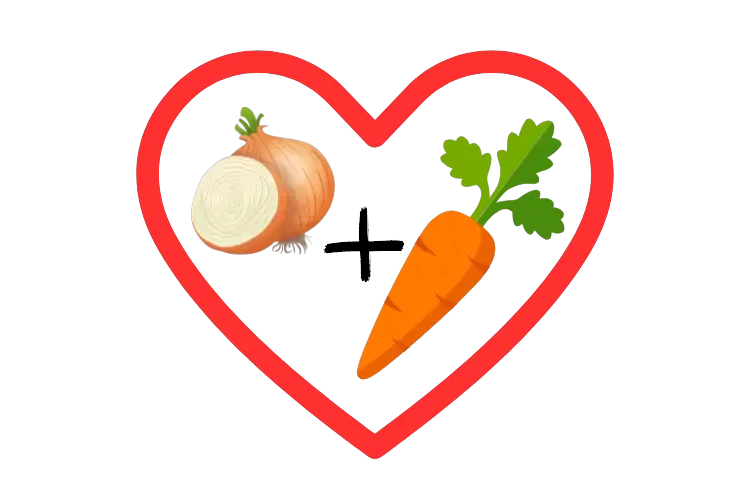
Companion planting means combining vegetables so that the plants support each other, for example carrots and onions against carrot fly and onion fly. Bad neighbours are above all plants from the same family, such as potatoes and tomatoes, because they share the same diseases. How strongly a partnership works is hardly proven scientifically; it counts as practical experience.
Good companion plants
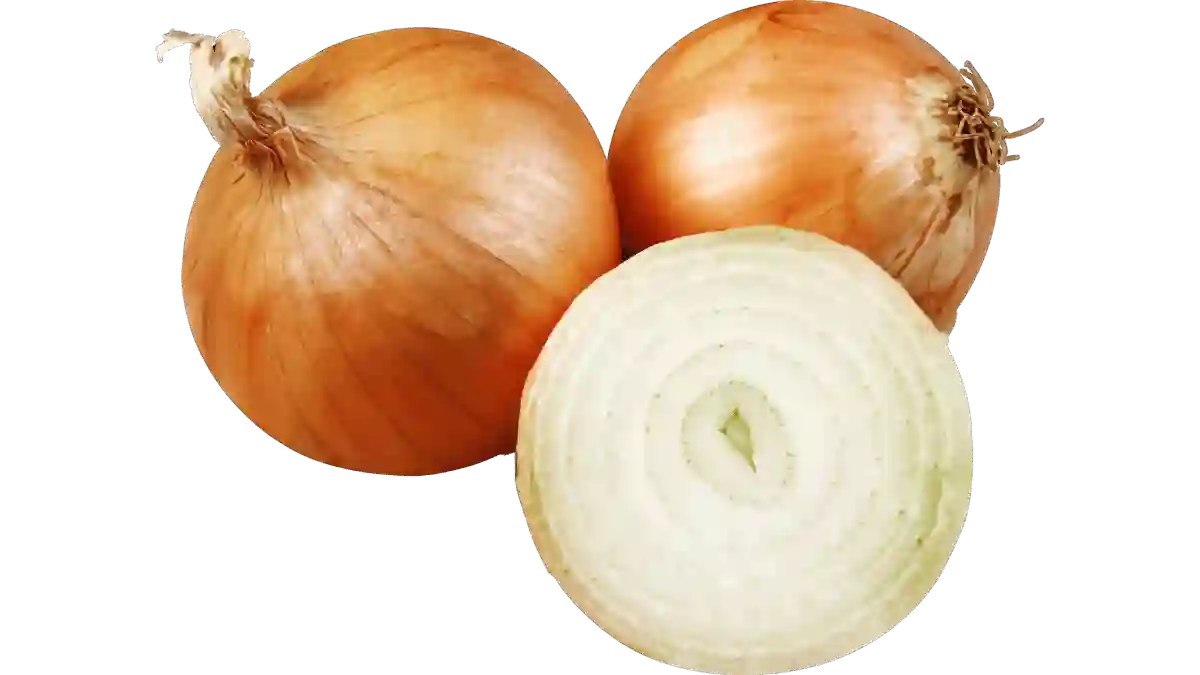
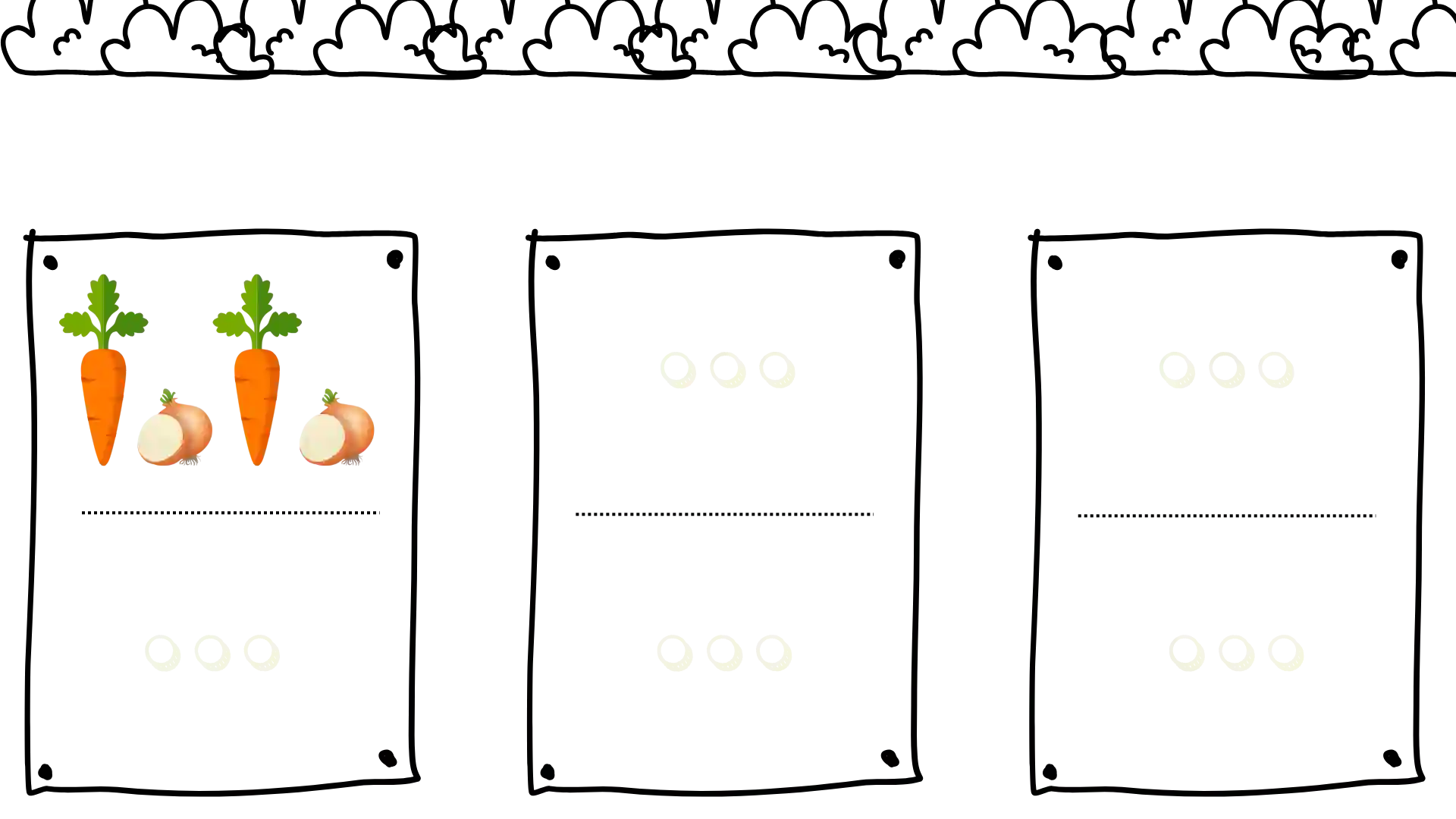
A great example of good companion plants is carrots and onions. Carrots benefit because the smell of onions deters the carrot fly, while onions are protected from the onion fly by the scent of carrots. This combination can therefore support the health of both plants.
Your growing area would therefore be planted like this:
Raised beds by the hedge
There are even more great combinations. For example these:
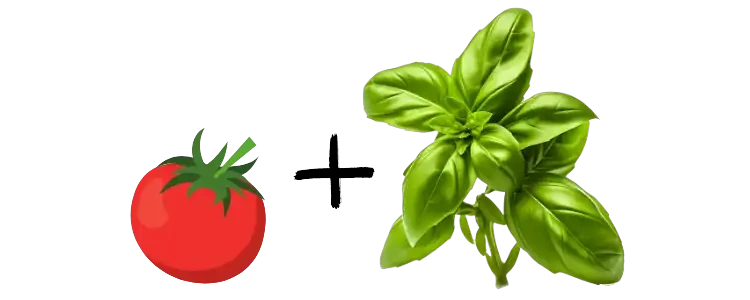
Tomatoes and basil: Basil protects the tomatoes from pests like whitefly and also improves the taste of the fruit.
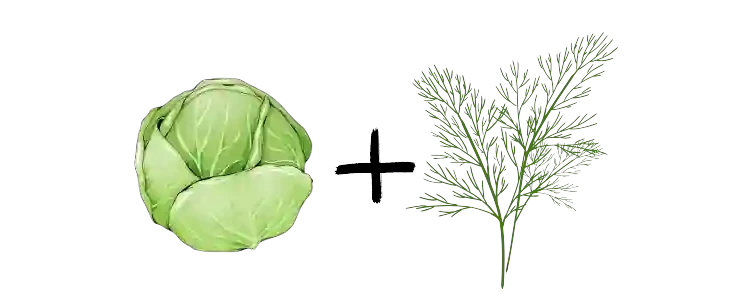
Cabbage and dill: Dill keeps cabbage butterflies away, which often cause damage to cabbage plants.
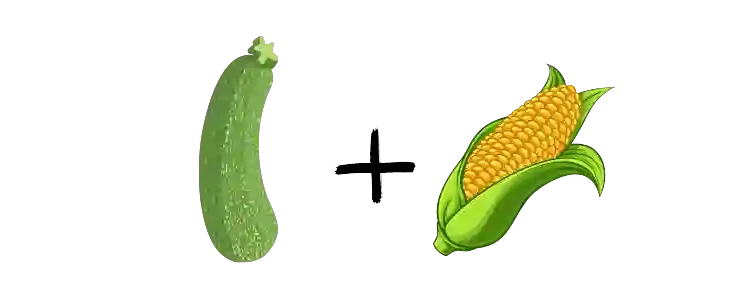
Zucchini and sweet corn: Sweet corn provides zucchini plants protection from too much sun, while the zucchini keeps the soil moist.
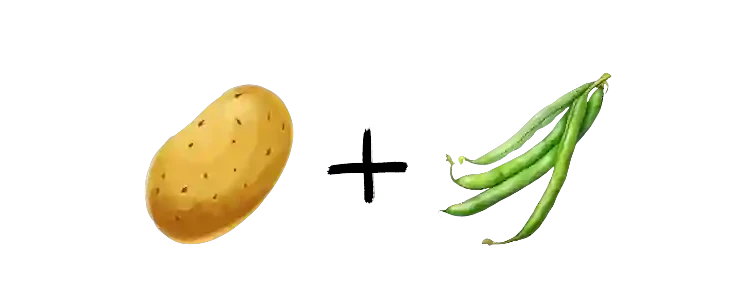
Potatoes and beans: Potatoes protect beans from wind, while beans increase nitrogen in the soil, which benefits the potatoes.
Why companion planting can work: four principles
You don't only recognise good companions from lists. Most recommendations are based on four simple principles. Once you know them, you can also judge pairs that aren't on any list.
- Different root depths: Carrots and parsnips root deeply, lettuce and onions stay shallow. This way the neighbours draw water and nutrients from different soil layers and take less from each other.
- Different nutrient needs: Place heavy feeders such as cabbage or tomatoes next to light feeders such as herbs or lamb's lettuce. Two heavy feeders side by side compete for the same nutrients.
- Different heights: Tall plants such as sweetcorn, pole beans or tomatoes belong on the north side of the bed. That way the low plants in front of them still get enough sun.
- Scent and distraction: Strong-smelling plants such as onions, dill or basil mask the smell of their neighbours. Pests that find their host plant by scent get confused. This is mainly based on experience.
On top of that there is one firm rule: plants from the same family don't go next to each other, because they share the same diseases and pests. Legumes such as beans and peas also fix nitrogen from the air. This mainly benefits the plants that grow in their place the following year.
The Three Sisters: corn, beans and squash
The best-known companion planting in the world is very old. Indigenous peoples in North and Central America have grown corn, beans and squash together for centuries. In Mexico such a field is called a “milpa”.
- Corn grows tall and gives the beans something to climb.
- Pole beans fix nitrogen from the air and so improve the soil in the long term.
- Squash covers the ground with its large leaves. It keeps the soil moist and suppresses weeds.
How to make it work in your own garden: sow the corn first, and only after the last frosts in mid-May. Once the corn plants are about 15 to 20 centimetres tall, sow the beans right next to them. Plant the squash at the edge at the same time. Allow plenty of space: the Three Sisters need several square metres and suit a large bed better than a raised bed.
Herbs and flowers as helpers in the vegetable bed
It's not only vegetables that can help each other. Some herbs and flowers have long been planted deliberately between vegetables:
- Tagetes (marigold): Planted densely, it can reduce certain root-knot and root-lesion nematodes in the soil. There is also research on this.
- Pot marigold (calendula): It attracts beneficial insects and pollinators and is also used against nematodes.
- Nasturtium: It attracts aphids and can lure them away from more sensitive vegetables.
- Borage: Its blue flowers attract bumblebees and bees. This benefits every vegetable that needs pollinating, such as cucumbers, courgettes or squash.
How strong the effect is in a particular garden depends on location, soil and weather. But these flowers do no harm, and your bed becomes more colourful.
How to plan a companion planting bed
These steps help you put the principles into practice in your bed:
- Rows instead of blocks: Plant the companions in alternating rows, for example one row of carrots, one row of onions. That way every plant has a neighbour of the other kind.
- Choose the right spacing: Base the distance between two rows on the plant that needs more space. Rows that are too close cost you yield.
- Fast crops as gap fillers: Radishes germinate within a few days. If you sow them in the same row as slow-germinating carrots, they mark the row and are harvested before the carrots need the space. In the same way, fast-growing lettuce fits between young cabbage plants.
- Keep families apart: Don't put two plants from the same family next to each other, for example not potatoes next to tomatoes.
- Think about crop rotation too: Companion planting decides what grows side by side at the same time. It doesn't replace crop rotation, which decides what grows in the same spot the following year.
The disadvantages
Sounds promising, doesn’t it? But as with many things, companion planting also has disadvantages. To this day, there are no scientific studies that clearly prove how effective good companion plants really are. Most recommendations are based on the experience of vegetable growers and hobby gardeners. However, numerous individual factors such as location, soil conditions, and care play a role, which influence the results and make them difficult to reproduce.
There are also bad companion plants
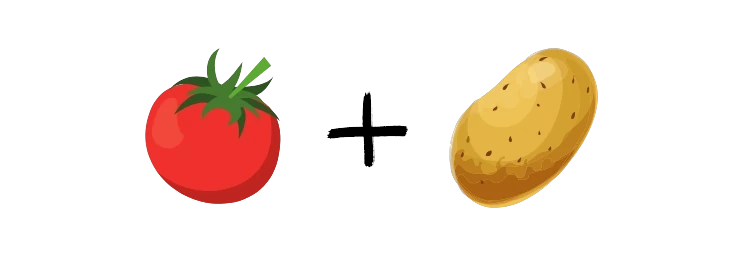
A classic example of very bad companion plants is potatoes and tomatoes.
1. Same diseases and pests: Both plants belong to the plant family nightshades and are susceptible to the same diseases, such as late blight. If one plant becomes infected, the disease quickly spreads to the other.
2. Competition for nutrients: Potatoes and tomatoes have a high nutrient requirement and compete intensely for the same resources in the soil, which can inhibit the growth of both plants.
3. Space requirements: Both plants need a lot of space and can overgrow each other, which makes care more difficult and increases the risk of disease due to poor air circulation.
Typical bad neighbours and the rule behind them
Bad pairings usually have one of two causes: the plants share a disease, or one plant releases substances that inhibit the growth of its neighbours. This inhibition is called allelopathy.
- Florence fennel: It is considered a loner and inhibits many neighbours, for example tomatoes, cabbage, beans and spinach. It's best to give it a corner of its own.
- Tomato and cucumber: Both can be affected by powdery mildew. If they stand side by side, an infection spreads more easily.
- Potato and strawberry: Both are susceptible to verticillium wilt, a fungus that stays in the soil for a long time.
- Tomato and pea: In gardeners' experience, these two inhibit each other's growth.
The list only shows examples. It's best to check for each vegetable individually whether it has a bad neighbour.
Planning companion planting and crop rotation together
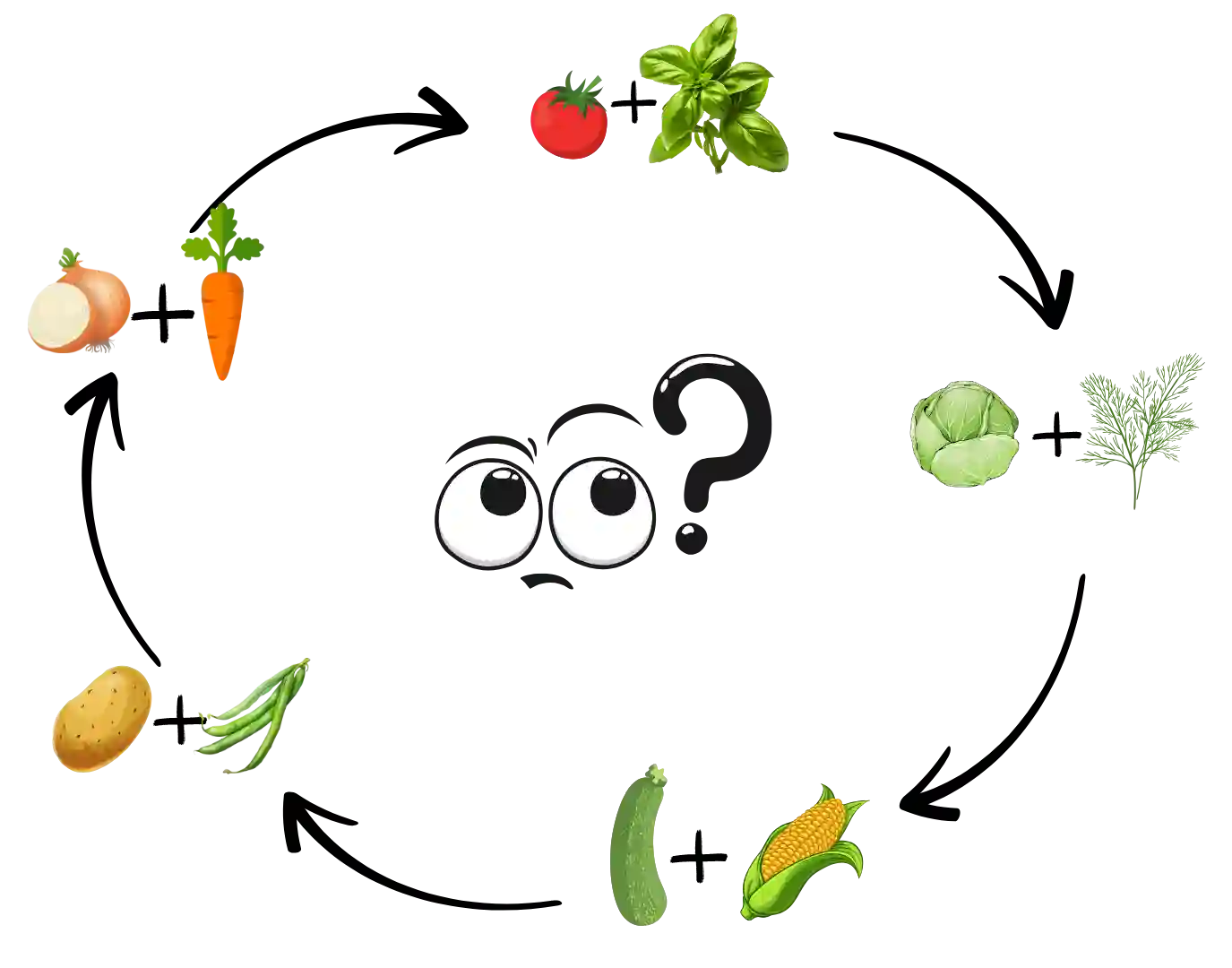
We’ve now looked at 5 great companion plants, but can we really grow these in the “Raised beds by the hedge”? Unfortunately not. The combination of tomatoes and potatoes is not only a bad example of good companion planting – it also violates the basic principles of crop rotation.
Pros and cons
Onions and carrots are indeed an excellent pair, especially when it comes to pest control. Despite this great cooperation, there is also a downside. Both are root vegetables, and as they develop their tasty fruit, they compact the soil around them. A bit more spacing is important – but it also leads to less yield.
Tomatoes and basil - they somehow belong together, right? While tomatoes even prefer to stand in the same place every year, planting basil there every year damages the soil. In addition, basil doesn’t get much sun as a neighbor to the tomato.
How GrowSimply helps you with companion planting
Keeping the good and bad neighbours of every vegetable in your head is hardly possible: with just 18 vegetables, that's 153 possible pairs. In GrowSimply, the good and bad companions are stored for every vegetable – with the reasons. When you plan, you have them right in front of you.
Whether you let your growing plan be created automatically or plan it yourself: the assistant shows you which neighbours fit and which don't. GrowSimply keeps an eye on crop rotation and planting breaks at the same time.
Frequently asked questions about companion planting
What is the difference between companion planting and crop rotation?
Companion planting means: different plants grow side by side at the same time. Crop rotation means: on the same area, the plants change from year to year. The two complement each other – a good growing plan takes both into account.
Does companion planting also work in a raised bed?
Yes, the same rules apply. Because there is little space in a raised bed, make sure that tall plants do not shade low ones and that plants of the same family do not stand directly next to each other.
Is companion planting scientifically proven?
Only in part. It is well known that plants of the same family share the same diseases and pests. How strongly individual good partnerships work, on the other hand, has hardly been studied; these recommendations are practical experience from gardening.
Why are potatoes and tomatoes bad neighbours?
Both belong to the nightshade family and share diseases such as late blight. On top of that, both compete strongly for nutrients and space.
No mental checklists needed — GrowSimply puts the right steps on your to-do list at the right time.
Part of the guide Create your own vegetable growing plan – all 8 stepsThe Vegetable Guide is free — the sowing calendar and the recipes are free to use with an account, too. Behind GrowSimply are many years of development and high running costs. But we deliberately do without advertising. There is no tracking either. If the project helps you, support it now — so it stays this way.
Simple and 100% right. With GrowSimply!
The guide explains the craft. With GrowSimply you can apply it. You get a personal growing plan with suitable time windows for your location (with postcode-accurate weather data), can implement sustainable planning by following crop rotations, and even receive recommendations for good neighbours. So you don't forget anything, you always get to-dos at the right time. GrowSimply wants to be the only app you need – without ads and tracking.